



 Google reviews

How Selhurst grew in a hurry after 1865
Selhurst station opened in 1865. The Imperial Gazetteer of England and Wales, compiled in 1870 to 1872, already noted a rapid recent increase in Selhurst's housing, with homes going up for London merchants, and the terraces kept coming through the rest of the century. Houses built in the same few decades share the same materials and the same fixings, and they reach the end of them at roughly the same time.
On a slate roof, the slate is rarely the part that gives up. The iron nails rust through, the battens soften, and on roofs that were never re-covered there is no underlay at all. Some Selhurst roofs were re-covered in concrete tiles during the twentieth century, and those coverings, battens and felts are now old in their own right.
The signs that point to replacement are slates slipping all over both slopes rather than in one spot, leaks in several places, a slope that has started to dip, daylight in more than one place in the loft, and old bitumen felt that crumbles when you touch it. One sign on its own is usually a repair. Several together mean repairs will keep coming.
Re-covering one house in a continuous row
On a terrace, your roof is one section of a long line, and the new covering has to stop neatly at both party walls. Those junctions, the stack that straddles one of them and the valley between your back wing and next door's are the details that decide whether a new roof stays dry. We redo them properly rather than tying new slate into old, tired work.
A replacement covers scaffolding and protection, stripping the old covering, battens and underlay, checking and repairing rafters and wall plates, a new breathable membrane and battens, the new covering, new ridge, hips and valleys, and fresh lead at every stack and wall. The gutters come down anyway, so it is the natural time to renew fascias and soffits in Selhurst too.
Most re-roofing needs Building Regulations approval, and renewing more than half of a roof's surface brings a requirement to improve insulation where practical. The Planning Portal's re-roofing guidance explains the rules. With the roof stripped back, adding ventilation is straightforward too, which helps on old roofs prone to condensation.
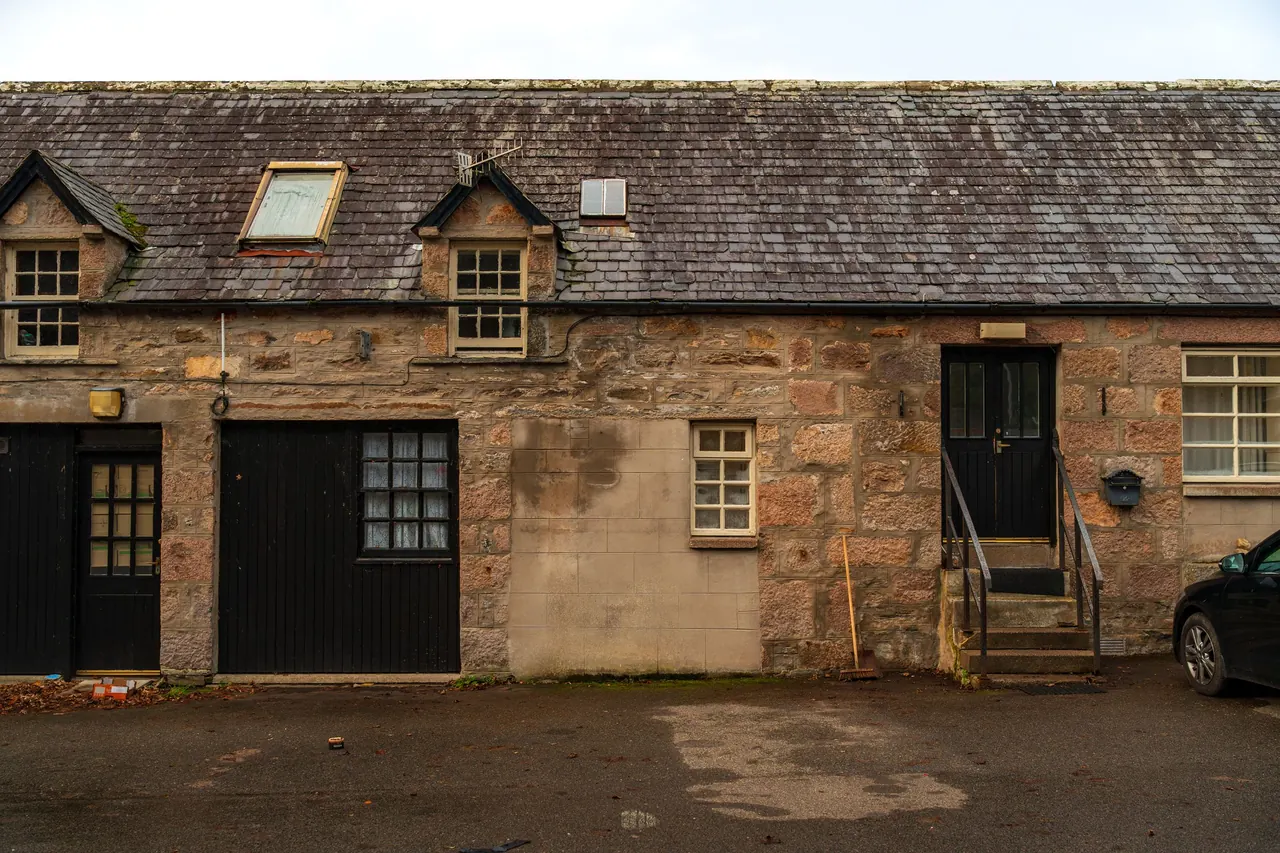
Slate or concrete tile on a Selhurst terrace
Natural slate suits most Victorian houses here and is the longest-lasting choice. Concrete tiles cost less, and many terraces in the area already have them. The street matters as well: a house re-covered in a material that matches neither neighbour stands out, and the party wall joins are harder to weather neatly where two different coverings meet.
On Henderson Road, a Local Heritage Area, the council values the 1895 terrace for its preserved slate roofs and projecting partition walls. There, natural slate is the sensible choice.
For scale, Checkatrade's roof replacement guide puts the UK average around £8,000, with most homeowners paying somewhere between £4,000 and £19,000. Your price depends on the covering, the access and what turns up when the old roof comes off. If you find rotten timber once the covering is off, we stop, show you and agree the cost before carrying on.
Not sure it is time? A roof inspection in Selhurst will show you. Our main roof replacement page has more on the process, and next door in SE25 we also handle roof replacement in South Norwood.
Frequently asked questions
Our terrace was re-covered in concrete tiles decades ago. Can we go back to slate?
Usually, yes. Slate is lighter than concrete tile, so the structure normally copes, but we check the rafters and the batten gauge first. It is also worth asking whether neighbours have kept or lost their slate, as it affects how the party wall joins look.
Does re-roofing a house on Henderson Road need the council's approval?
The heritage designation brings no additional consent requirement, and re-covering like for like in slate does not normally need planning permission. Building Regulations still apply. If you want to change the look of the roof, check with Croydon's planning team first.
Our garden backs onto the railway near Selhurst Depot. Where does the scaffold for the rear slope go?
On your side of the fence, standing in the garden. Many terraces here have no side passage, so tube and boards usually come through the house or along a rear alley. We look at the route on the first visit and include it in the price.
What happens to the shared stack when our roof is replaced?
We renew the flashing on your side and check the stack itself. If the pointing or flaunching needs work, the scaffold is already up, so it is the cheapest time to do it. Work on the neighbour's half needs their agreement.





