



 Google reviews

The 1880s boom, well over a century on
Thornton Heath's local history records 983 houses in the parish of St Paul's at the 1881 census, and about 1,000 more under construction near the station in 1888. Builders worked fast and to a pattern: terrace after terrace of near-identical houses, roofed in the same way within a few years of each other.
That pattern shows up now. On many streets, the roofs that have not been replaced are original slate on timber battens well over a hundred years old. Others were re-covered in concrete tile some decades ago, and those re-covers are reaching their own limits. A replacement makes sense when the problems are spread across the roof rather than in one place:
- slates slipping in several places because the nails have corroded
- new leaks appearing in different spots each winter
- an old concrete tile re-cover that has gone porous or sags between the rafters
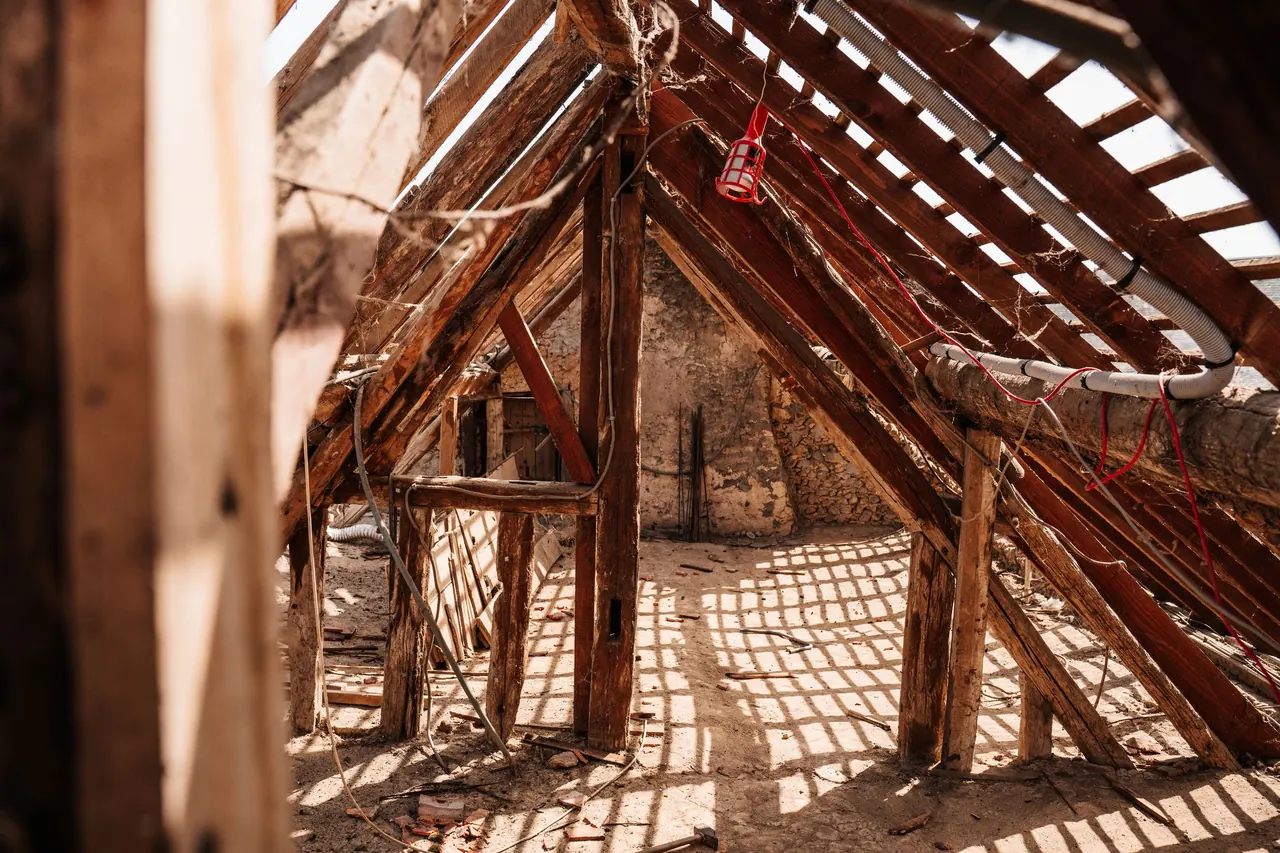
- daylight in the loft in several places, or battens that crumble when touched
- a loft conversion planned, so the scaffold is going up anyway
If only one of those fits, a repair on your Thornton Heath roof is usually the sensible first step.
Finishing against next door on a CR7 terrace
On a terrace, your new roof has to stop at the party wall and meet a roof that is not being touched. The ridge, the eaves and the line down the party wall all need detailing so the two roofs work as one, even when next door has a different covering at a different height. How that joint is made decides whether water gets in there in a few years' time.
The shared chimney stack needs the same thought. It usually sits on the party wall and serves both houses. A re-roof is the right moment to renew the flashing on your side and to look at the pots and flaunching on top, since the scaffold is already there.
Behind the main roof there is the back addition, with its own small roof and the gully where it meets the main wall. Re-roofing the main house without dealing with that gully leaves the most common leak point in Thornton Heath untouched, so we price both and let you decide.
Slate, concrete and the Building Regulations
With no conservation area in Thornton Heath and no Article 4 Direction affecting roof work, a like-for-like re-roof on a house does not normally need planning permission. Changing covering is usually possible too, though on a long row it is worth thinking about how it will look between the houses either side.
Natural slate suits these terraces and, in general, outlasts concrete tile. Concrete tiles cost less but are heavier than slate, so on a roof built for slate we check the rafters before recommending them.
Building Regulations do apply. Re-covering more than a quarter of a roof is generally notifiable building work, and under Approved Document L, renovating more than half of a roof that is a thermal element usually means upgrading its insulation where practical. A cold loft insulated at ceiling level is treated differently from a warm roof over a loft room, and we explain which applies to yours.
Scaffold, skips and parked cars
Cars line both sides of most Thornton Heath streets, and a scaffold or skip on the pavement or road needs a licence from Croydon Council. We plan that into the quote along with materials, waste and a rough timescale.
The job itself runs in a set order: protect the house, strip to the rafters, repair or replace any timber that has failed, then membrane, battens, the new covering, the ridge, the valleys and new lead at the stack and every abutment. Liam, our Lead Roofer, looks at the roof, the loft and the access before quoting, and if the strip-out uncovers damage, we show you before doing extra work.
For budgeting, Checkatrade's roof replacement guide puts most UK re-roofs somewhere between about £4,000 and £19,000, depending on size, shape and covering. With the scaffold up, renewing the fascias and soffits at the same time saves a second set of access costs. Our main roof replacement page explains the process in detail, and our article on how long a new roof lasts compares coverings.
Frequently asked questions
Will the rafters on an 1880s Thornton Heath terrace need replacing too?
Usually not all of them. Rafters on these houses are often sound, but rot at the feet, where they sit on the wall plate, is common under old leaking gutters. We check every one once the roof is stripped and replace or splice only those that need it.
Does re-roofing my terrace mean I have to insulate the loft?
If more than half the roof is renovated and it counts as a thermal element, Approved Document L usually expects an insulation upgrade where practical. With a cold loft it is often simplest to top up the insulation at ceiling level. We talk it through when we quote.
Should the back-addition roof be done at the same time as the main roof?
It is usually worth it. The gully between the two is where many Thornton Heath leaks start, and doing both under one scaffold costs less than coming back.
Do I need a licence for scaffolding on a street in Thornton Heath?
If any part of it stands on the pavement or road, yes, from Croydon Council. We arrange it as part of the job.





