



 Google reviews

Side returns behind CR7 terraces
Many Thornton Heath terraces now have a flat roof at the back: a kitchen infill filling the side return, a flat top on the back addition, or a dormer on a loft conversion. These roofs were added one house at a time, by different builders, in different decades, in whatever covering was usual then. That is why two infills next to each other can be built quite differently, and why a leak on one says little about the other.
The infill is the awkward one. It sits in a slot between your back addition and the boundary wall, so its roof is long and narrow, with walls on two or three sides. That leaves water little room to get off.
If the deck has sagged, or the falls were set too shallow when it was built, water sits in the middle or against a wall. Standing water finds any weakness in the covering, and against a wall it finds the upstand. Where the upstand is too low or its flashing has come away, water runs behind the covering and onto the kitchen ceiling, often right beside the wall. Our guide to water pooling on a flat roof explains when ponding matters and when it does not.
The wall you share with next door
The boundary side of an infill is often your neighbour's back addition, or a party wall you share. The upstand and flashing still need to be sound along it, and in most cases we can renew them entirely from your side, cutting new flashing into the brickwork above the upstand.
The outlet matters as much as the falls. Many infills drain into one small outlet or a short gutter, and Thornton Heath is one of the parts of Croydon associated with surface water flooding, so a summer cloudburst can overwhelm a small outlet fast. A clear outlet of a sensible size does a lot of the work, and if it keeps choking, the cause is usually the gutter or gully above it.
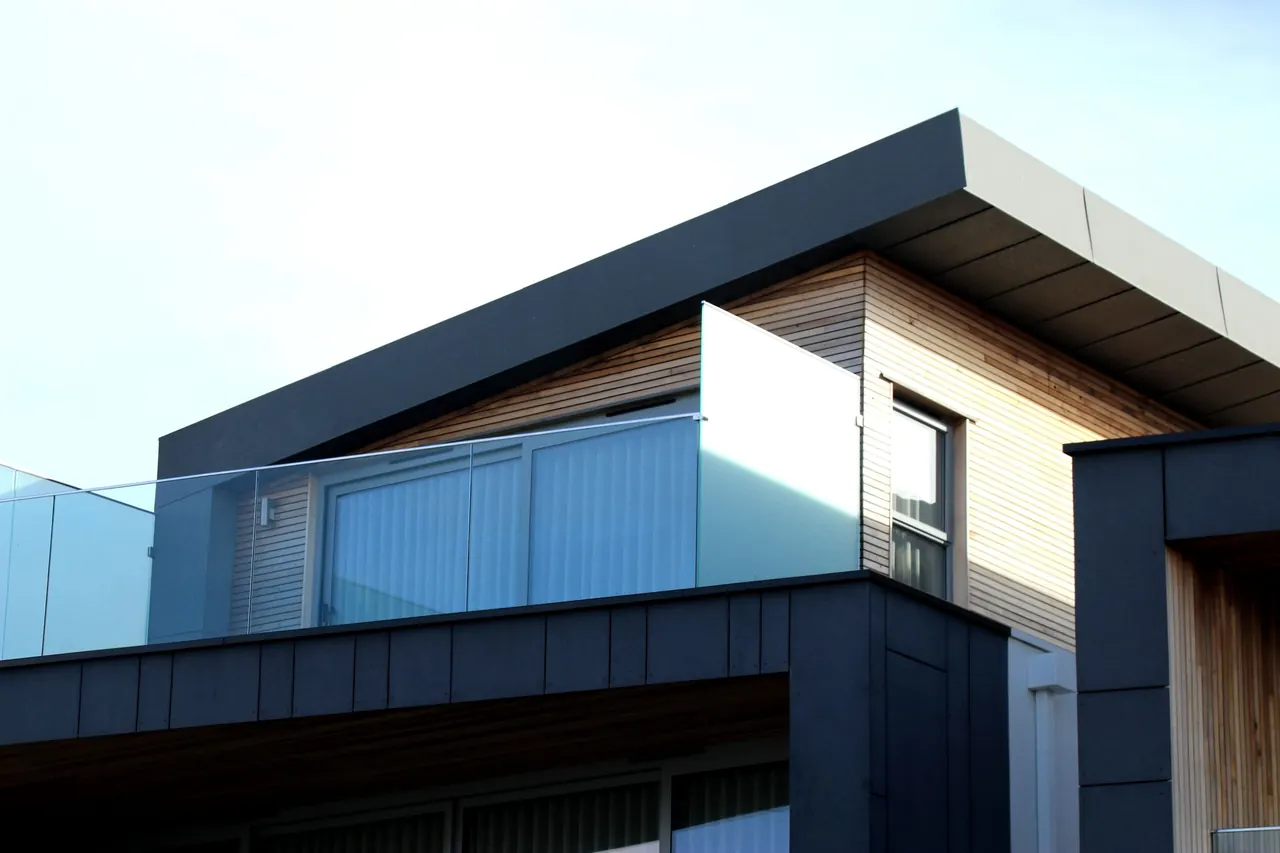
Dormers and back-addition tops in summer sun
Rear dormers sit at the top of the house, where they take the most wind and sun. The flat top is rarely the first thing to go. The edges are: trims that work loose, flashings where the dormer cheeks meet the main roof, and the front edge where water runs off into a small gutter. Failures there let water into the loft room, often at the window head.
Older felt on dormers and back-addition tops blisters and cracks after years of summer heat. Where the deck underneath is still firm, a repair can buy several more years. Where it has gone soft underfoot, the roof needs stripping back to the joists.
Repair, or strip and re-cover
A sound roof with one damaged area can usually be repaired. A roof that leaks in several places, has blistered all over or has a spongy deck is better re-covered, because patching only moves the leak. We show you which and why.
For a re-cover, the old covering comes off, rotten decking is replaced, the falls are corrected, and the new covering goes on with new trims and an upstand at every wall. The usual choices are GRP fibreglass, EPDM rubber and torch-on felt, and the flat roofing service page compares their lifespans. For London, MyJobQuote's flat roof replacement guide gives a published London average of about £2,750 for a flat roof replacement, and about £1,800 to £4,000 for a 30m² double garage roof.
If the infill sits beside a leaking back-addition gully, our roof repair team in Thornton Heath can deal with both on one visit. Building something new at the back rather than fixing an old roof? That is roof installation.
Frequently asked questions
The flashing where my infill roof meets next door's back addition has come away. Can you redo it from my side?
Usually, yes. We cut the flashing into the brickwork above the upstand on your side. If the wall itself is in poor shape higher up, we show you so you can raise it with your neighbour.
Can the old flat top on my Thornton Heath back addition be re-covered without touching the main roof?
Yes. We strip and re-cover it on its own, renewing the flashing where it meets the main wall and checking the gully beside it.
My CR7 terrace dormer roof is felt and the edges are lifting. Does the whole dormer need re-covering?
Not always. If the deck is firm and the felt is sound away from the edges, new trims and flashings can be enough. If the felt is blistered all over, re-covering the top is better value.





