

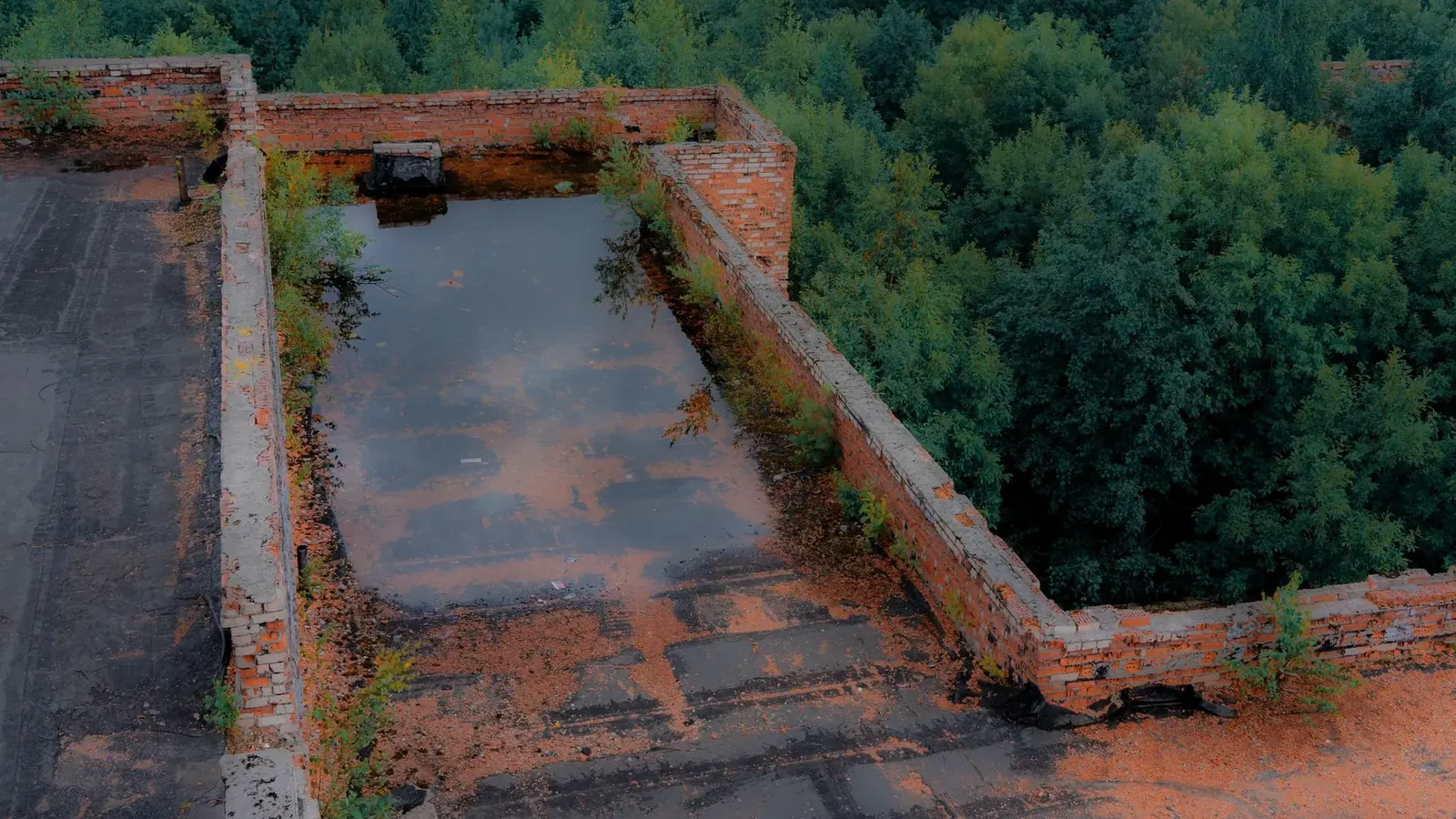
A thin layer of water on a flat roof straight after heavy rain is normal, and it should drain or evaporate within a day or so. Worry when the water is still there a couple of days after the rain has stopped, when the same patch fills after every shower, or when the pooling comes with damp patches indoors, splits or blisters in the covering, or a visible dip. Those signs point to a blocked outlet, falls that are too shallow or a deck that has started to sag, and they are worth having inspected before the water finds a way in.
Should water sit on a flat roof?
Flat roofs are not meant to be truly flat. They are built with a gentle slope, known as the fall, that carries rainwater to a gutter or outlet. The British Standard for flat roofs with flexible waterproof coverings, BS 6229, recommends designing in a fall of 1 in 40 so that, after building tolerances and settlement, the finished roof still falls at least 1 in 80. Older garage and extension roofs were often built with much less than that, which is why so many of them collect water.
Small, shallow puddles in the odd low spot are common on older roofs and are not an emergency on their own. Water that lingers for days, spreads across a large area or gets deeper over time is a different matter.
Why water collects on a flat roof
1. Blocked outlets and gutters
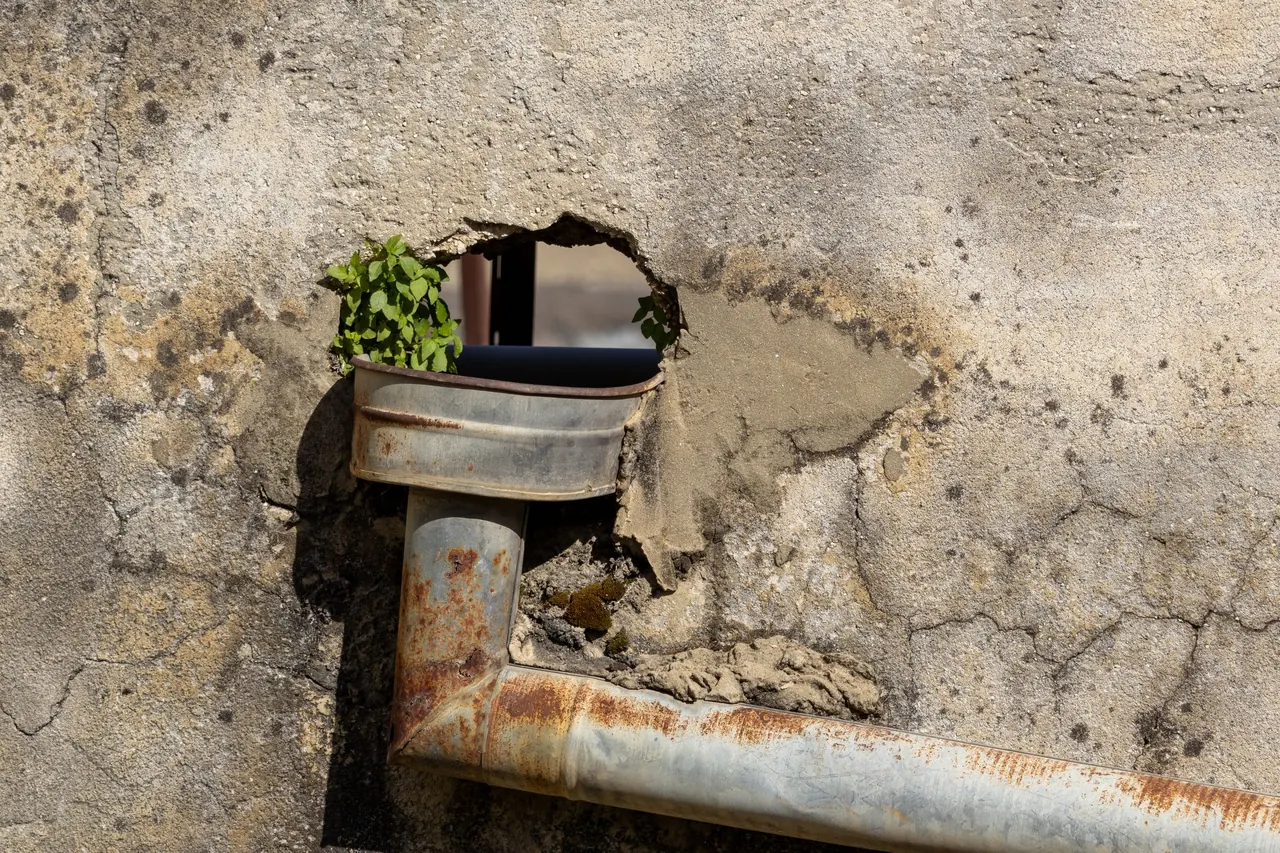
Leaves, moss and grit collect around outlets and in the gutter along the edge of the roof, and once they block, the water has nowhere to go. You will often see the pool form at the outlet end and spread back across the roof after a heavy shower. Clearing the outlet may be all that is needed, and our gutter cleaning service covers the gutters and downpipes the roof drains into.
2. Not enough fall
If the roof was built close to level, water settles in any low area rather than running off. This is common on older garages and on extensions where the joists were laid level and the covering went straight on top. A new layer of felt or a coating will not fix it; the falls need rebuilding, usually with tapered firring strips on the joists or tapered insulation boards under a new covering.
3. A sagging deck or structure
Many older flat roofs are decked with chipboard or similar boards that lose their strength once water gets into them. A soaked board softens and sags between the joists, the dip holds more water, and the extra weight makes the sag worse. Water is heavy: a puddle two metres by two metres and two centimetres deep holds about 80 litres, roughly 80 kilograms sitting on one patch of roof. Any visible dip, or a change in the ceiling below, needs looking at by a roofer.
4. Old patches and uneven repairs
Repeated patching builds up layers that can act like small dams, holding water on their uphill side. A patch may have stopped an old leak while leaving a drainage problem behind, which is why the condition of the whole roof matters when deciding how to deal with ponding.
What standing water does to the roof
Every flat roof covering is designed to keep water out, but long-term ponding puts extra strain on seams, laps and upstands, which are the places most flat roofs leak. On felt roofs, standing water speeds up the breakdown of the surface, and the silt left behind as puddles dry encourages moss and plant growth. In winter, water that freezes in splits and blisters opens them further. EPDM rubber and GRP fibreglass cope with water better than felt, yet a pool on any covering will find a weak joint or a pinhole sooner or later. Watch for these warning signs:
- Water still sitting in the same spot two or more days after rain.
- Cracks, splits or blisters in the covering.
- Damp patches or staining on the ceiling below.
- A visible dip in the roof surface.
- Moss or plants growing where water sits.
- Water collecting around rooflights, upstands or where the roof meets the house wall.
Do not walk onto the roof to check how deep the water is or to test soft areas. Many flat roofs, and the rooflights in them, are fragile, and the Health and Safety Executive's guidance on roof work explains the risks. Our roof inspections can use a drone, so we can see the whole roof without anyone standing on it.
Can a flat roof that holds water be repaired?
Often, yes. If an outlet is blocked, clearing it and checking the downpipe may be all the roof needs. If one area of covering has failed, a localised repair can stop the leak, and a shallow low spot can sometimes be built up as part of that work. Where the falls are wrong across the whole roof, the deck has gone soft or the covering is failing in several places, a patch will not last, and re-covering or replacing the roof is the better use of money.
As a guide, national prices published by Checkatrade put small flat roof repairs at £100–£140 per square metre for bitumen felt, £120–£170 for EPDM and £130–£180 for GRP, all before VAT. Those rates are for small patches of up to three square metres, so the set-up and labour are spread over a very small area, which is why they work out higher per square metre than the replacement rates further down, which are spread across a whole roof. The real price depends on the size of the roof, the state of the deck and how it can be reached, and we confirm it in a free quote before any work starts.
When replacement makes more sense
Age alone is not a reason to replace a flat roof, and an old roof that drains properly and keeps the water out may have plenty of life left. Replacement is worth considering when repairs keep failing, water is getting in at several points, the covering is cracked or blistered across the roof, or fixing the drainage would mean rebuilding the deck anyway. A new roof is also the chance to put the falls right and bring the insulation up to current standards. Replacing most of a roof covering can bring building regulations into play, and the government's building regulations guidance explains when approval is needed.
The covering you choose affects how long the new roof lasts. Checkatrade's flat roof replacement guide gives typical lifespans of 15–20 years for torch-on felt, up to 30 years for GRP and 30–50 years for EPDM, and puts replacement at £80–£100 per square metre for EPDM and £95–£120 for GRP, plus VAT. The real price depends on your roof and is confirmed in our free quote. Our flat roofing team works with all three coverings, and our guide to flat roof problems in Mitcham looks at the faults common on local extensions.
Flat roof help in Morden and nearby
Flat roofs are common on the rear extensions, garages and dormers of houses across Morden, Mitcham, Wimbledon and Sutton. Precise Roofing & Guttering is a family run roofing and guttering contractor based on Kenley Rd in Morden, and when a flat roof starts holding water we find out whether it is a blocked outlet, a failing covering or a problem with the deck, then explain the options in plain terms.
Quotes are free with no obligation, we can often visit and quote the same day you call, and our work carries a 10 year guarantee. We also offer a 20% discount for OAPs. Call 0330 133 4111 or request a free quote online.


 Google reviews
