



 Google reviews

One stack, two houses on CR7 terraces
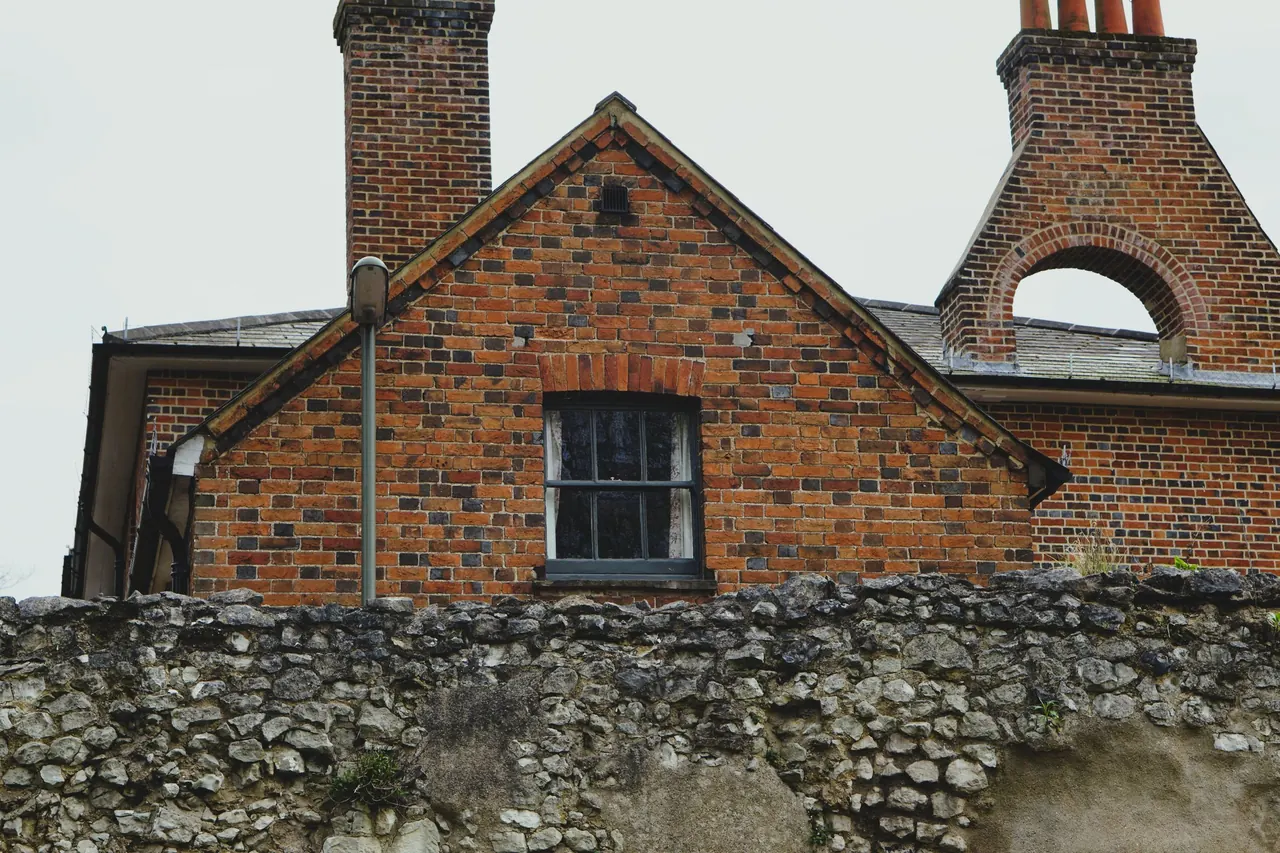
Along a Thornton Heath ridge the stacks come in a steady rhythm, one on every other party wall. Each one usually carries the flues of two houses, with the fireplaces of both sides running up inside it. The houses were built fast and to a pattern from the 1870s onwards, so the stacks on one street tend to be the same age, the same brick and the same design.
Few of those fireplaces are still lit, but the stacks have stood in the weather for well over a century. When one starts to let water in, it does not care which side of the party wall the fault is on. A fault on either side can show up in either house. That is why we look at the whole stack before quoting for any part of it.
Where the fault is on the stack as a whole, such as the pots and flaunching on top or pointing all round, it usually costs both households less to have it done together under one set of access. Where the fault is on your side only, we fix your side and show you the photos of the rest.
Mortar, lead and pots after a century
Old fillets instead of lead. Many stacks here were patched at some point with cement fillets or mastic where lead flashing should be. These look tidy from the street, then crack away from the brickwork and let water run behind. We cut them out and fit proper lead flashing, stepped into the brick joints.
Tired lead. Original or early lead lifts, splits at its folds, or pulls out of joints where the mortar holding it has crumbled. We redress, refix or renew it.
Open joints in the brickwork. Soft, weathered pointing lets rain soak into the stack. Repointing seals it before the bricks start to spall.
Flaunching and pots. The mortar bed holding the pots cracks with age, then the pots start to rock. On a terrace close to the pavement, a loose pot is a hazard to people below as well as a leak risk, so we rebed it in new flaunching.
Unused flues can be capped with ventilation so rain and birds stay out while the flue still breathes. Flues serving a stove or fire need fittings made for a working flue, so we check how each one is used first.
Tall stacks over the High Street shops
Numbers 6 to 28 High Street are a three-storey terrace from 1868 with rusticated white stucco on the upper floors. Across the road, the Queen Anne style parades at 11 to 59 add gables, stone dressings and a corner turret. Both sides form a Local Heritage Area in Croydon Council's heritage review, so a rebuilt stack there should keep its height, brick and pots in character.
A stack on one of these buildings stands high above a busy pavement, with a shop below and flats in between. Anything beyond a small repair usually needs scaffolding, and the stack may be the responsibility of a freeholder rather than the flat owner who has the damp. A drone survey first shows everyone involved what the stack needs, so the access only has to be paid for once.
Ladders, scaffold and a guide figure
On a two-storey terrace, refixing a section of flashing, resetting a pot or fitting a cap can often be done from roof ladders. Re-leading a whole stack, full repointing or work on a tall parade stack usually needs a scaffold around the chimney. MyJobQuote's chimney flashing guide gives about £150 to £250 for a flashing patch repair, as a national guide.
If tiles or slates around the stack are part of the problem, our Thornton Heath roof repair work covers them on the same visit. The main chimney repairs page explains each repair, and our chimney maintenance guide covers what to look for each year.
Frequently asked questions
My terrace stack has cement fillets instead of lead. Should they be replaced?
Usually, yes, once they have started to crack or pull away. Cement fillets cannot move with the roof the way lead does, so they open up and let water in behind. Proper stepped lead flashing is the lasting fix.
Can you reach a chimney on a three-storey High Street parade without scaffolding the shop front?
Sometimes, from the rear or from a flat roof behind. Often a scaffold is needed for anything more than a small repair. We check by drone first and tell you which applies before anyone books access.
A pot on my Thornton Heath terrace rocks in the wind but has not moved yet. Can it wait?
Not for long. A rocking pot means the flaunching around its base has cracked, and each gale loosens it further. On a two-storey terrace we can usually rebed it from roof ladders, without a scaffold.
Can a drone see the top of a stack properly?
Yes. It shows the pots, flaunching, pointing and the flashing on both sides of the stack in close-up, which is often more than you can see from a ladder.





