



 Google reviews

Stacks four floors up on Wellesley Road
Croydon Council's Wellesley Road (North) appraisal says chimney stacks play an important role in defining the architectural rhythm of the street, and lists prominent stacks and clay chimney pots among the conservation area's key features. On the larger semis at 69 to 79, those stacks rise from three-storey roofs above a basement, a long way above the front garden. Even the earlier, two-storey villas further north carry roof accommodation and a raised lower ground floor.
Height changes the job. Stacks this exposed take the full force of wind and rain, so the mortar on the weather side wears first, the flaunching around the pots cracks, and the lead where the stack meets the slate lifts. Because nobody can see the top from the ground, the first sign is often damp in a top-floor flat or crumbs of mortar in the gutter.
Before pricing any scaffold, we photograph the stack top by drone where the site allows. That shows the state of the pots, flaunching, pointing and flashings, and whether the work can be done from roof ladders with proper safety equipment or needs a scaffold around the stack. Resetting a pot or refixing a length of flashing often doesn't; re-leading the whole stack or rebuilding the top courses usually does.
Keeping disused pots on converted houses
Many of these houses have been divided into flats, and many fireplaces are long out of use. It can be tempting to take the pots off, but on Wellesley Road they are part of what makes the area special. Croydon's guidance for the neighbouring Central Croydon Conservation Area goes further, saying brick stacks and clay pots should be kept even when no longer used, both for character and to ventilate traditional buildings. That reasoning fits here just as well.
The practical answer is to repair the stack, keep the pot, and fit a ventilated cowl or guard to keep rain and birds out while the flue still breathes. Where a pot is cracked beyond use, we replace it with a clay pot of similar size and shape and bed it on new flaunching.
In a converted villa the stack is normally part of the building's structure and the freeholder's responsibility. We send photos and a written quote to whoever manages the building as well as to the flat owner who called.
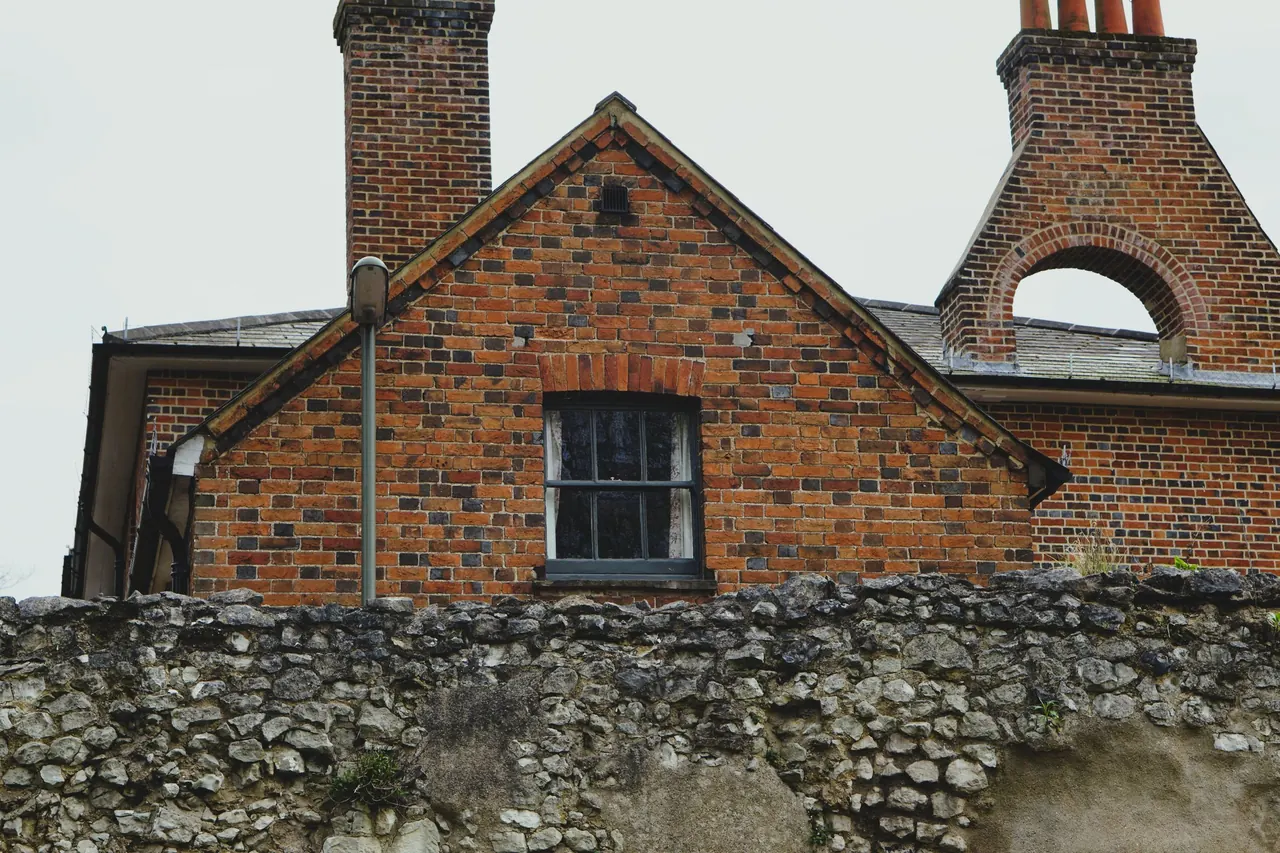
Lower stacks on Hathaway Road and Nova Road
West of the railway, off London Road, the terraces on Hathaway Road, Nova Road and the streets around them date from the early 1900s. Their stacks are lower and plainer, usually straddling the party wall with a pot or two for each house. The faults are the same, mortar, flaunching and lead, but access is simpler, and on a two-storey terrace many repairs can be done without a full scaffold. Where the stack is shared, the Party Wall Act explanatory booklet explains when notice is needed.
If damp near a stack turns out to be coming from a gutter, our gutter repairs in West Croydon page covers that. For full re-leading, MyJobQuote gives £350 to £460 as a national range without scaffolding. Our main chimney repairs page has more detail, and the chimney maintenance guide lists what to look for between visits.
Frequently asked questions
The clay pots on our Wellesley Road villa are cracked. Can you get matching replacements?
Usually. We note the size, shape and colour of the old pots and source the closest clay pots we can, then bed them on new flaunching. That keeps the roofline as the conservation area guidance describes it.
Does repointing a stack in the Wellesley Road (North) Conservation Area need planning permission?
Like-for-like repairs in matching brick and a mortar suited to the old brickwork don't normally need it, and no Article 4 Direction is listed for the area. Changing the look of a stack or removing pots is a different matter, so ask Croydon's planning team first.
Do the stacks on Nova Road terraces need scaffolding for a repair?
Not always. On a two-storey terrace, resetting pots, refixing flashing and small amounts of repointing can often be done from roof ladders. A full rebuild of the top courses is the main exception.





