



 Google reviews

Flues from the coal-fire years
When the Vale was built, there was no electricity in the houses. The residents' association history records coal fires as the heating, small gas fires in two of the upstairs bedrooms, and gas mantles for lighting. Coal arrived by horse and cart and went through the house to the shed in the back garden.
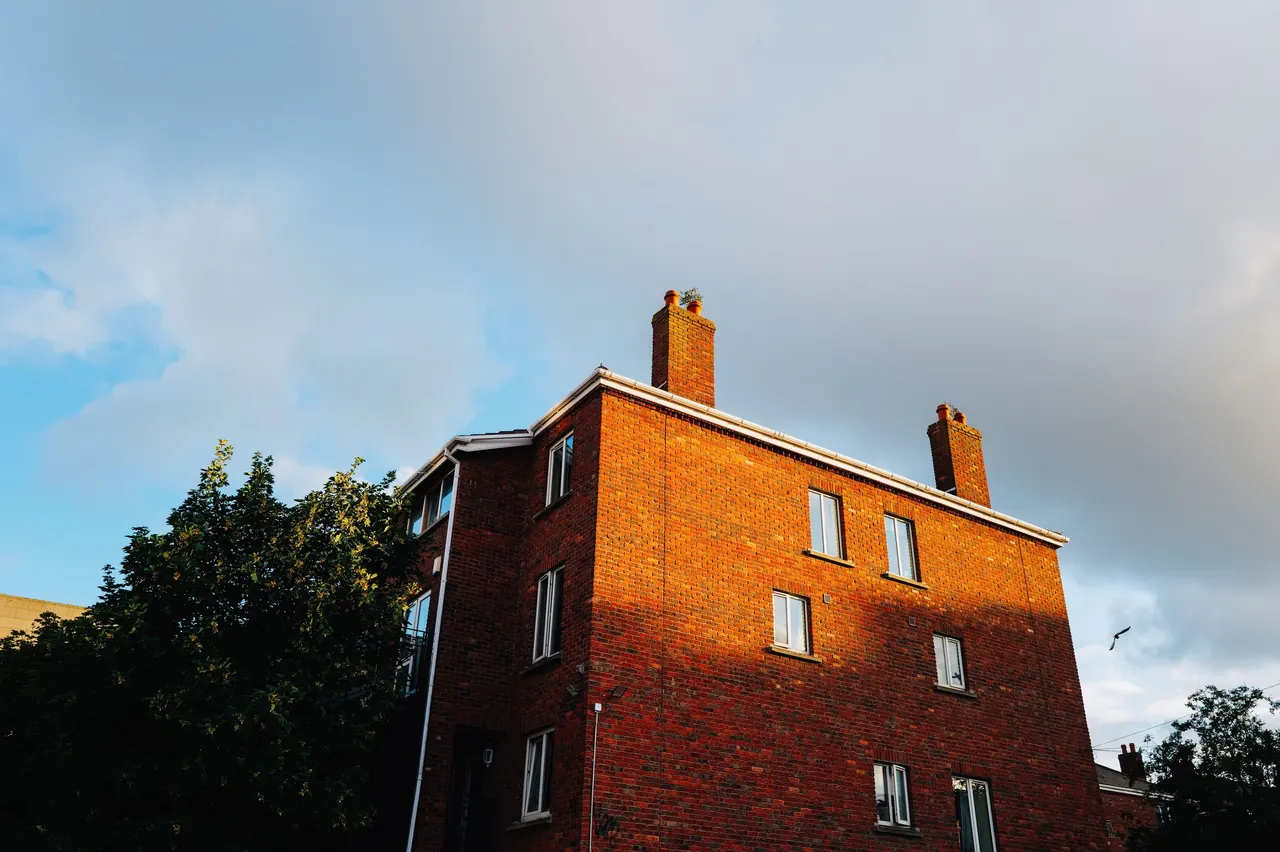
That is why the houses were built with chimney stacks, and why many stacks have more than one pot. Each fire needed its own flue, and the flues were gathered into a stack that, on many terraces and semis, rises on the party wall between two houses. Many of those flues no longer serve an open fire. Some feed a gas fire or a stove, and many are simply closed off at the fireplace and open at the top.
A stack that has stood for a century with little use since the coal days is easy to forget, until the lead lets go or the pointing has worn far enough for rain to soak through.
Lead and brickwork on a stack near a hundred
Flashing. The lead that seals the stack to the tiles is held in the mortar joints. When that mortar softens, the lead pulls out, lifts in the wind or splits. Stacks of this age are often patched with sealant along the way, which can look fine from the road and still let water in during driving rain.
Pointing. Decades of weather, and in the early years the acidic gases from coal smoke, wear the mortar back. Once the joints are open, the bricks take in water, and damp shows up on the breast upstairs or in the loft.
Flaunching and pots. The mortar bed holding the pots on top of the stack cracks and lets water in. A pot that has started to lean above a terraced front garden needs dealing with soon, because the pavement is only a few steps away.
Open pots on closed flues. A disused flue left open lets rain straight down and invites nesting birds. A cap or ventilated cowl keeps both out while letting the flue breathe. If a flue still serves a fire or stove, it needs a cowl or guard made for a working flue, so we find out how each one is used before fitting anything.
Where the stack sits on the party wall, its brickwork, flaunching and lead are shared even though the flues inside are separate. A leak can come from either side, and work on the party wall itself can bring in the Party Wall etc. Act 1996. On a stack that rises on a flank or rear wall, it is all yours.
How we find the fault and fix it
We start by flying the drone over the stack, so you can see the flashing, pointing, flaunching and pots close up without scaffolding going up just to look. If the problem turns out to be the tiles, ridge or a valley next to the stack, our roof repairs in the Vale can deal with it on the same visit.
The work can be new lead, repointing, new flaunching, resetting pots, or caps and cowls on disused flues. You get a free quote first. As a rough benchmark, MyJobQuote puts patching chimney flashing at £150 to £250 and renewing all the leadwork at £350 to £460, without scaffolding. Our chimney maintenance guide covers what to look out for each year, and the main chimney repairs page explains each job.
Frequently asked questions
A pot on our Vale stack has started to lean towards the front garden. How urgent is that?
Fairly urgent. A leaning pot usually means the flaunching holding it has cracked, and anything that comes off a front stack lands on the garden or the path. We fly the drone to check, then reset the pot on new flaunching or take it down if the flue is no longer used.
We want a wood burner in our 1920s Vale house. What does the stack need first?
The stack itself should be sound: pointing intact, flaunching solid, pots secure and the flashing watertight. We can check and repair all of that. Lining the flue and fitting the stove are for a registered stove installer.
The mortar near the top of our stack has gone dark and crumbly. Is that left over from the coal days?
It can be. Years of coal smoke can attack mortar from inside the flue, and the top courses take the worst of the weather too. If the joints have opened up, repointing and new flaunching will stop the water getting in.





