



 Google reviews

What fails on a 120 year old stack
Lilian Road and Marian Road were laid out at the end of the 19th century as the terraces of Lonesome. Their stacks have now been through well over a century of weather, and they tend to fail in the same order.
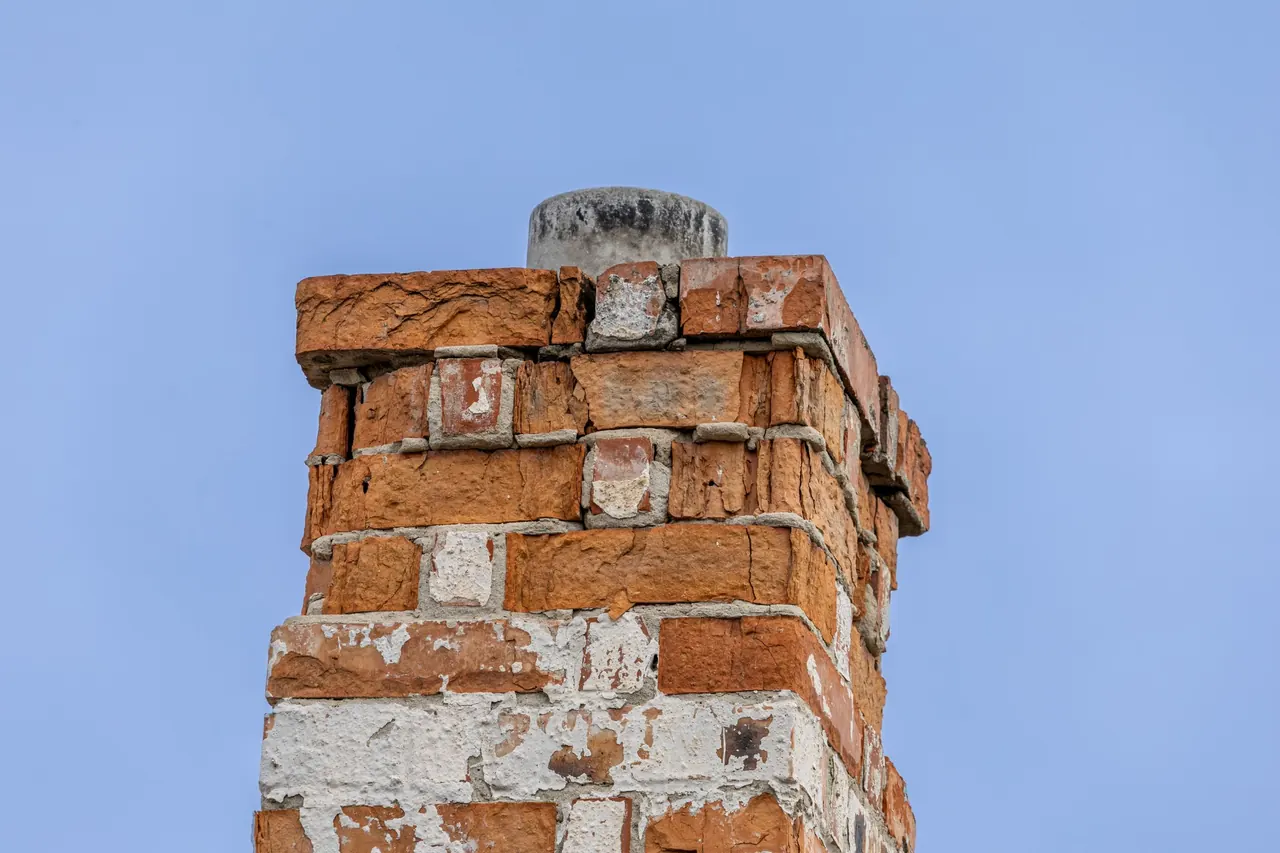
First the top goes. The flaunching, the sloped mortar cap holding the pots, cracks and lets water into the top of the stack. Then the top few courses lose their mortar, because they are the most exposed brickwork on the house. Then the lead at the base, where the stack meets the roof, splits or pulls out of its joint, often because it has been patched with sealant at some point instead of renewed.
Many terrace stacks here sit on the party wall and serve both houses, so a defect can show up next door too. Others rise from the back addition, hidden from the street altogether. Either way, a damp patch is a poor guide to which part has failed, which is why we look before we price.
Painted and rendered stacks
Merton's character study records painting and rendering of the original brick here. Its guidance is that alterations should follow the original materials. On a stack, paint or render can hide the state of the joints underneath. A hairline crack in render lets rain soak into the brick behind it, and the render then holds the water in.
The same applies further south, on the rendered 1930s houses around Woodstock Way, if your stack is rendered too. If the render is sound we repair the cracks. If it is coming away in sheets, it is better hacked off so the brickwork can be repointed and the stack left to dry.
Stoves, open fires and Merton's smoke rules
All of Merton is a smoke control area. Wood can only be burned in a Defra exempt appliance, and an open fire needs authorised smokeless fuel. That matters for the top of the stack. A working flue needs a cowl or guard designed for use, never a cap, so we ask what each flue does before fitting anything.
Four faces, one visible from the street
From the pavement you can see one face of a stack at best. We fly the drone round all four faces first, so you see the lead, the joints, the flaunching and the pots in photos, and we can tell whether the job needs scaffolding or can be done from roof ladders. Loose tiles around the base can be handled as a roof repair on your Eastfields house in the same visit. The main chimney repairs page explains the work in more detail, and our chimney maintenance guide covers what you can check yourself.
For a rough idea, MyJobQuote's chimney leadwork guide gives £150 to £250 nationally for patching chimney flashing. Full leadwork or a rebuilt top costs more, and scaffolding adds to it.
Frequently asked questions
Can I keep the old pots on my Lilian Road terrace?
Usually, yes. If a pot is sound we reset it in fresh flaunching, which keeps the row looking as it should. If one is cracked through, we show you before going any further.
The render on the stack of my Woodstock Way house has cracked. Can it be patched?
If the render is still firmly stuck to the brick, yes: we cut out and fill the cracks and check the lead at the base. If it sounds hollow when tapped, patching will not last and the render is better removed.
I have fitted a wood burner in my Tamworth Park house. Does the stack need anything different?
The flue needs a cowl or guard made for a working flue, and the flaunching and lead should be sound before you start using it. The stove itself must be a Defra exempt model if you burn wood, which is between you and your installer.





