



 Google reviews

One row, several coverings
Lilian Road and Marian Road were laid out at the end of the 19th century as part of the hamlet of Lonesome: small brick terraces on short, narrow plots, many with two storey bays. More than a century on, Merton's character study lists "variety in roof finishes" as an issue in the character area that includes them. That is what happens when houses are re-covered one at a time over the decades, each in whatever the owner chose then.
The council's guidance for these streets is that alterations should be informed by the original materials and detailing. Eastfields is not in a conservation area, so this is advice rather than a rule. But it is sensible advice when you are paying for a roof that will be on the row for decades. A re-roof here is also the moment to sort out the parts a repair cannot reach: the valleys between main roof and back addition, the back gutter behind the stack, and the lead at the party walls.
Under the slates of a Lonesome terrace
A full replacement starts with scaffolding and protection for the house and garden. Then the old covering, battens and any underlay come off down to the rafters. On an original late Victorian roof there is often no underlay at all. The slates or tiles were simply hung on battens, sometimes torched with mortar from below. On a roof re-covered after the war you are more likely to find bitumen felt that has gone brittle and torn between the battens.
With the roof open we check the rafters, purlins and wall plates and replace what is not sound. Then a breathable membrane goes on, new battens at the right gauge for the chosen covering, and the covering itself from the eaves up. Valleys, back gutters, ridges and lead are all renewed. The gutters and boards can be done while the scaffold is up, and our fascias and soffits page covers that side.
Weight matters on these roofs. A heavy concrete tile on timbers sized for slate can over time push the roof out of line, so we check the structure before we recommend a covering.
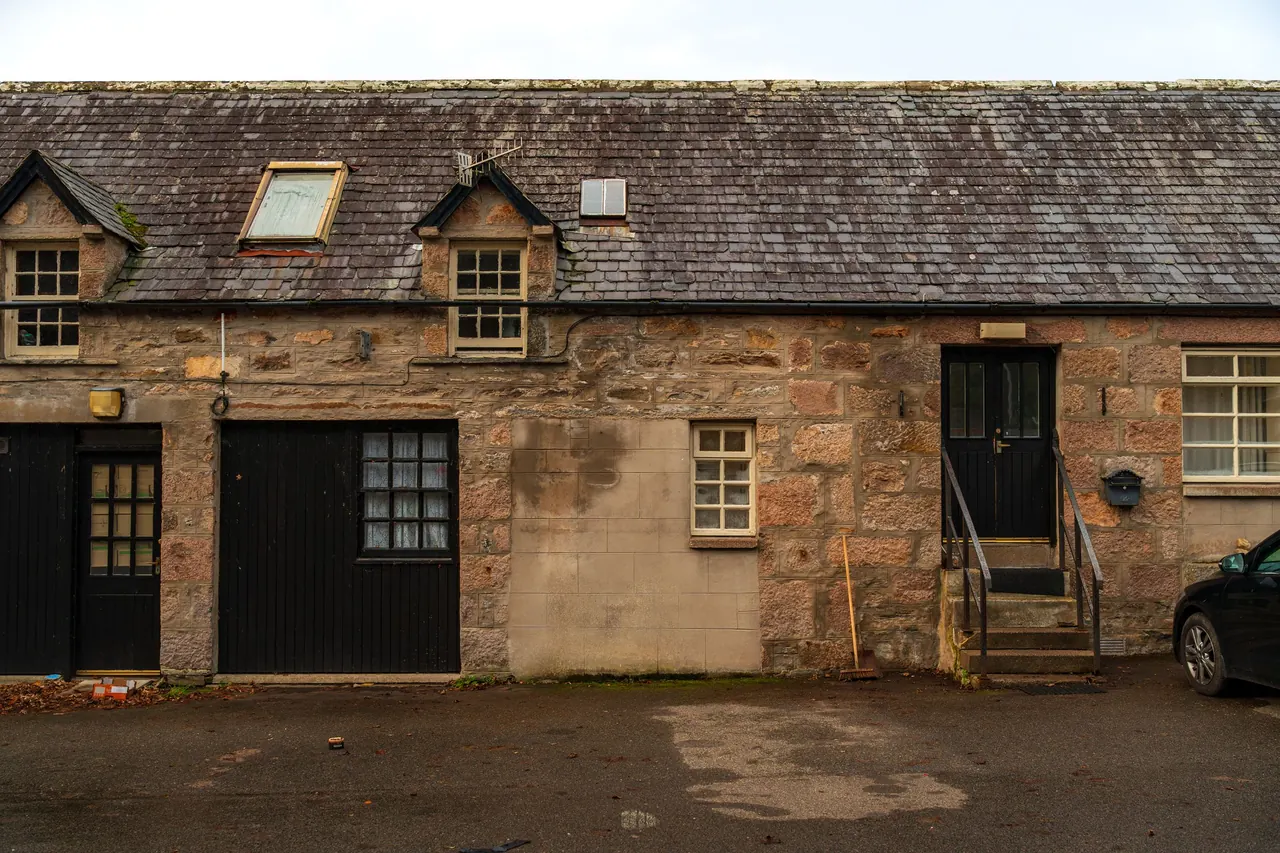
Tamworth Park and the later streets
Beyond Lonesome, Eastfields' pitched roofs went up in three later phases, and each raises a different question. The Edwardian terraces on the eastern side of Tamworth Park, from around 1900, are close cousins of the Lonesome houses, and the same thinking about keeping the row consistent applies. The 1930s semis around Tamworth Lane often had their first re-cover decades ago, and the question there is matching the other half of the semi. The 1950s terraces north of Grove Road have the simplest roofs in the area, and a whole block can be re-covered together if the owners agree.
Checkatrade's roof replacement guide puts a new roof on a typical three-bedroom semi at around £12,000. A small terrace has less roof to cover, and the scaffold, the covering and what we find in the timbers set your own figure. Our article on repair or replacement helps with the decision, and the main roof replacement page has more on the process.
Frequently asked questions
The houses either side of my Marian Road terrace have different roofs. Which should mine follow?
We usually suggest following what the row was built with, or the most common covering on the row today if the original has mostly gone. We show you photos of the street from the drone and price the options side by side.
There is no felt under the slates on my Lilian Road roof. Is that a fault?
Not on its own. Original roofs of that age were often built without underlay. It does mean the roof relies entirely on the slates and their nails, so once those start to fail, a re-roof with membrane is the lasting fix.
Is the back addition roof on a Lonesome terrace part of the job?
It should be. The valley and the flashing where the back addition meets the main wall are usually the weakest points, and renewing both roofs together means those joints are built once and properly.





