



 Google reviews

Two ages of gutter behind Glenister Park Road
A photograph of Glenister Park Road from about 1925, in the University of Greenwich's Ideal Homes collection, shows terraces on both sides shortly after they were built, before the road was properly surfaced. Woodgate Drive, behind it, came from a housing scheme Lambeth agreed in the early 1990s.
The two roads show the range of gutters in the Vale. On the 1920s houses, the original gutters are unlikely to survive, and what is there now was fitted house by house over the decades. A single terrace can carry three or four profiles and colours, joined with whatever adaptor fitted at the time. On the 1990s houses, the gutters are more likely to be the plastic system fitted when they were built, now around thirty years old.
The faults differ. On older terraces they cluster at the joins between different systems and at the party wall. On houses of the 1990s, the seals in the joints and the plastic brackets are reaching the age where they dry out and crack.
Faults we fix on a terrace run
- Dripping joints. Rubber seals harden and split. We reseal the joint, or replace the union where the old one has perished.
- Brackets that have given way. One failed bracket lets the gutter dip, wet leaves collect in the dip, and the extra weight pulls out the next one. We refix and add brackets where the spacing was too wide.
- Lost fall. Water standing in one spot instead of running to the outlet. We reset the brackets to give the run its slope back.
- Cracked lengths. A split section can usually be swapped on its own.
- Mismatched joins with next door. Where two different systems meet, we fit the right adaptor and seal it so water stays in the run.
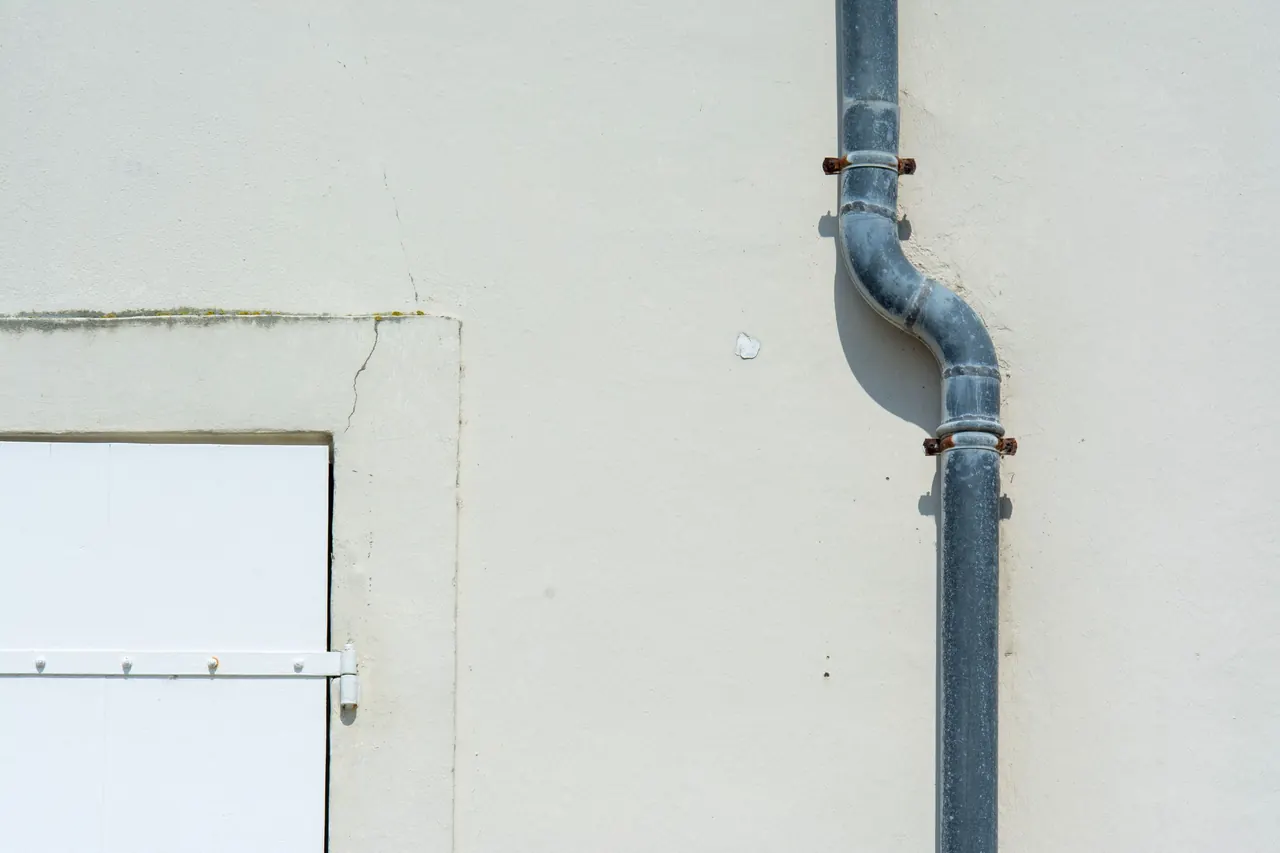
- Downpipes. Rejoining sections that have pulled apart, replacing a cracked length, or refixing loose clips.
On rendered or painted walls, the green and black streaks below a dripping joint show up clearly, and they are often the first sign. If water is running down the wall behind the gutter rather than over the front, the fascia board may have taken on water, and our fascias and soffits page for the Vale explains what we do about that.
What a repair visit covers
We look along the whole run, front and back, not only the joint you can see dripping. That way you get one price for what needs doing rather than a string of separate call-outs. Where the run is brittle, cracked in several places or has lost its fall because the fascia has moved, we will tell you that a new system is better value, and our page on new gutters in Streatham Vale covers that.
For a sense of cost, MyJobQuote's gutter repair guide gives a UK average of around £215 for a repair. Height, access and what has failed all change that, and you get a free quote before we start. The main gutter repairs page explains each type of repair.
Frequently asked questions
Our Woodgate Drive house still has its original 1990s gutters. Do they need replacing?
Not automatically. Plastic gutters of that age often have plenty of life in the lengths themselves, while the joint seals and brackets wear out first. Replacing seals and refixing brackets is usually enough. If the plastic itself has gone brittle and is cracking, that is the time to think about a new system.
One length of gutter on our Vale terrace is a different colour from the rest. Can you replace just that section?
Yes. We can usually find a matching profile in the right colour. Where the old profile is no longer made, we fit the closest match and a proper adaptor at each end so the joins do not leak.
Is it worth repairing the gutters if we are re-roofing next year?
Fix anything that is letting water into the wall or the fascia now. Leave bigger gutter work until the re-roof, when the scaffold is up and the roofline can be done in one go.





