



 Google reviews

Rear downpipes over the Recreation Way gardens
A wet stripe down the back of a house in one of the closes off Recreation Way usually starts high up. The houses back onto gardens shared with their neighbours, so the rear downpipe may only be reachable across shared ground. The Modern Housing database's entry for Recreation Way describes them as terraces in closes backing onto communal gardens, designed by Merton's Borough Architects Department and originally finished with render and panel cladding, now rendered.
The houses are three storeys high with flat roofs. Rain leaves the roof through an outlet, often into a hopper, then runs down a long pipe with offsets and clips along its height. Every one of those parts can fail on its own, and a fault two floors up wets the wall all the way down. Before the visit we look at the height of the run and the route through the garden, and tell you what access the job needs.
Hoppers and offsets on the estate terraces
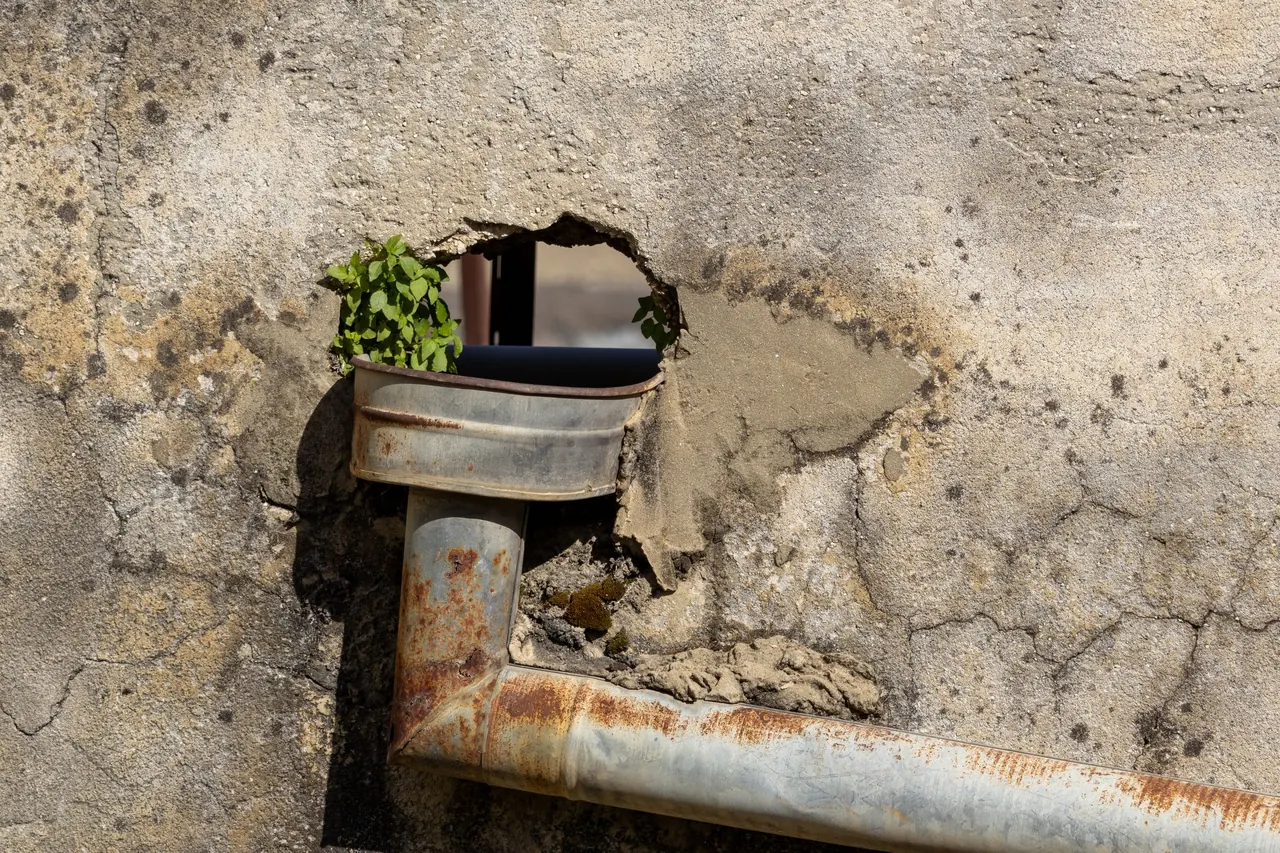
- Hoppers. The open box under the roof outlet can crack, or its joint to the downpipe can open, so it spills down the face of the house even when it is clear.
- Offsets. Where the pipe bends out round a sill or ledge, the joint takes strain and is often the first to crack or pull apart.
- Clips and brackets. A loose clip lets the pipe drop, opening the joint above it. On insulated render, a clip that has worked loose may also have let water into the wall behind.
We repair the failed part rather than the whole run where we can: resealing or replacing a joint, renewing an offset, refixing or adding clips at the right spacing, and replacing a cracked hopper. If the real problem is a blockage, our blocked gutter repair page for Pollards Hill deals with that and with the damage overflow leaves.
If you rent your home from Moat, report rainwater faults to Moat. Freeholders arrange their own repairs.
Second-generation plastic on the Wide Way semis
On the interwar semis around Wide Way and Sherwood Park Road, the gutters are a different shape and age. Where the roof is hipped, the gutter turns both outer corners of the house. Houses of this age are often on their second set of gutters, typically early uPVC, where the rubber seals in the joints have dried and cracked and the brackets have loosened as the fascia behind them softened.
A joint that drips in every storm usually needs a new union, not more sealant. A run that holds water in one spot has lost its fall, and resetting the brackets fixes it. If the fascia will not hold a bracket, we tell you, and our fascias and soffits work can replace the board first.
As a national guide, MyJobQuote puts an average gutter repair at around £215, with a leaking joint on its own at £60 to £150. When a whole system is brittle, repairs stop being good value, and the main gutter repairs page explains how we make that call.
Frequently asked questions
The downpipe at the back of my house in a Recreation Way close faces the communal garden. Can you reach it?
Usually, yes. We plan access through the garden and for the height of the run before the visit. If access crosses shared ground, it helps to let neighbours know.
The hopper on my house in Cheshire Close has cracked. Can it be replaced on its own?
Yes. We match the outlet size and the downpipe below, fit the new hopper and seal the joint, without touching the rest of the run if it is sound.
A joint on my Wide Way semi was resealed last year and drips again. Why?
Sealant on an old union rarely lasts, because the rubber seal inside has perished and the joint keeps moving. Replacing the union, and correcting the fall if the run sags, is the lasting repair.





