



 Google reviews

Steeple Hill and Rushmead Close: Park Hill's pitched roofs
Wates built Park Hill in stages, and its roofs changed as it went. The early estates of the mid 1960s and early 1970s, such as Turnpike and Hunters Way, had flat roofs. According to the Twentieth Century Society's account of the estates, by the time of Steeple Hill, built from 1973 to 1979, flat roofs had been abandoned. Rushmead Close, from 1974 and 1975, has very large gables.
Those pitched roofs are now around 50 years old. Tiles of that period can look fine from the ground long after the layers beneath them have worn out. The underlay of the time was often a bitumen felt, which turns brittle and tears between the rafters, and battens dry out and lose their grip on the nails. The signs show up in the loft first: torn felt sagging between rafters, daylight at the eaves, and damp marks spreading along the battens after heavy rain.
A re-roof on one of these houses is a straightforward strip and rebuild. The old tiles, battens and underlay come off, the rafters are checked and repaired where needed, then a breathable membrane, new battens and new tiles go on, with ridges, verges and flashings done in the same job. On a terrace, matching the neighbours' tile and colour keeps the row looking whole. On Rushmead Close, the size of the gables means a lot of verge, so how the verge is finished matters for both looks and weather.
Re-roofing under the Chatsworth Road Article 4 Direction
Across the railway, the Chatsworth Road Conservation Area was designated in October 2008. On 21 January 2016 an Article 4 Direction came into force across the whole area, and this is the page where we explain it. For houses, it means planning permission is now needed for all alterations to the roof, and also for extensions and other alterations, porches, hard surfaces in front gardens, gates, fences and walls, new access to the road, painting the exterior and solar panels. Croydon's appraisal and management plan lists the Direction on its first page. Croydon Council's appraisal names natural slate and handmade clay tiles as the area's roof coverings, with gables, gablets, dormers, carved bargeboards and finials as part of its character.
A full re-roof is a big enough job that it tends to raise questions the Direction is there to answer. Concrete tiles in place of slate, a different ridge profile, new roof windows or solar panels all change the roof, and each needs an application. Re-covering in matching natural slate or handmade clay, with the same ridge, verge and finial details put back, keeps the roof as it was.
On Mulgrave Road, Eden Road, Woodstock Road and the rest of the grid, that means a re-roof is also a chance to put right the details earlier repairs have lost: lead valleys renewed, flashings at stacks and dormers dressed properly, and bargeboards repaired rather than replaced with something plainer. If the boards are past saving, our fascia, soffit and bargeboard work can be priced with the roof, since the scaffold is already up.
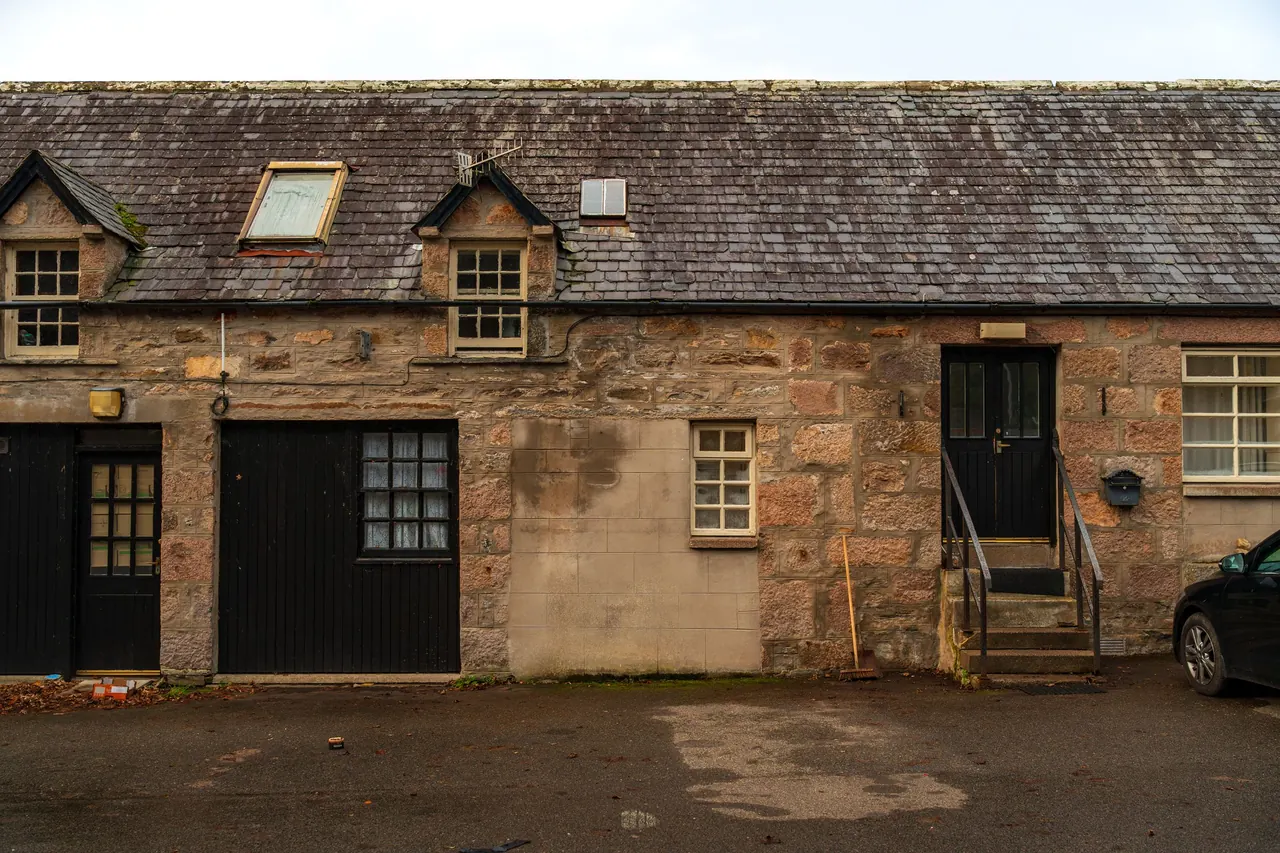
Stacks, finials and what comes back on
Tall brick stacks are part of the Chatsworth Road roofline, and when the roof comes off they are at their most accessible. It is the time to repoint, renew flaunching and refit the lead, which our chimney repair team can do as part of the same job. Taking a stack down, on the other hand, changes the roof and needs permission there.
For a sense of scale, Checkatrade's roof replacement guide gives a UK average of about £8,000, with most jobs between £4,000 and £19,000. A three-storey villa in natural slate with gables and dormers sits at the top of that spread. Our main roof replacement page explains the stages in full, and our article on repair or full replacement helps if you are still deciding.
Frequently asked questions
Will Croydon Council accept a different slate on my Mulgrave Road re-roof?
That is for the council to decide, but the closer the new slate is to the original in colour, size and texture, the less it changes the roof. Natural slate of a similar type is the safe choice. If you want something noticeably different, ask the council before ordering.
Our Rushmead Close house has a huge gable. Does that change the re-roof?
It mostly affects the verges. A large gable has a long sloping edge, and that edge takes the weather. We talk you through how the verge will be finished and match what the rest of the close has where you want the row to stay consistent.
Do Building Regulations apply when I re-roof a Steeple Hill house?
Usually, yes. Renewing more than half of a roof's surface normally means improving the insulation where it is practical to do so. We explain what applies to your roof when we quote.





