



 Google reviews

Lismore Road and the houses built around it
Croydon Council's appraisal for the Croham Manor Road Conservation Area sets out how this corner of South Croydon filled up. Emmanuel Church was built nearby in 1899. By 1910 the houses on Lismore Road had been built and the upper part of Croham Manor Road laid out. The streets around them were then lined with detached and semi-detached houses between 1910 and 1933, and the Chapman houses at the heart of the conservation area followed in the 1920s and 1930s.
So the roofs here run from roughly 90 to 135 years old, and many are on their original covering or their first replacement. That is the age at which a roof stops failing in one place and starts failing everywhere. The battens go brittle, the nails that hold each tile corrode, the old bitumen felt under the tiles crumbles at the eaves, and every repair disturbs the tiles next to it. When that is happening on every slope, replacing the whole covering costs less over the next thirty years than chasing each fault.
If you are not sure which side of that line your roof is on, a roof inspection with drone photos shows every slope and the loft side of the roof before you commit.
Hand-made clay, machine-made clay or concrete
A re-roof is the one moment you get to choose the covering, and on the Croham slopes it is a real choice.
- Inside the Croham Manor Road Conservation Area: the appraisal lists hand-made clay roof and hanging tiles among the common materials, and names new materials that detract from the area's character as a threat. A hand-made clay tile is the covering that keeps these houses looking as they were designed. It costs more than a machine-made tile, and we price it that way from the start.
- On Lismore Road and the surrounding streets: outside the conservation area there is more freedom. A good machine-made clay plain tile keeps the colour and small scale of the original. Concrete tiles are cheaper but heavier and look flatter, and on a roof built for clay the extra weight is worth checking against the timbers.
- Victorian villas lower down: on St Peter's Road, Campden Road and Birdhurst Rise the roofs are slate or decorative clay. There, a replacement is about sourcing slate or patterned tiles to match, and some of the original decorative ridge pieces can usually be saved and reused.
For comparison, Checkatrade's roof replacement guide puts most UK re-roofs between £4,000 and £19,000. A detached house on a slope with tile hanging, dormers and two stacks will sit higher in that range than a plain semi, and the choice of tile moves it again.
Scaffold on the Croham slopes
The council's appraisal notes the land around Croham Manor Road falling from east to west, so on many plots the ground at the back is lower than at the front and the scaffold there can be a storey taller. We plan that before we quote, along with where materials and skips can go on a narrow drive.
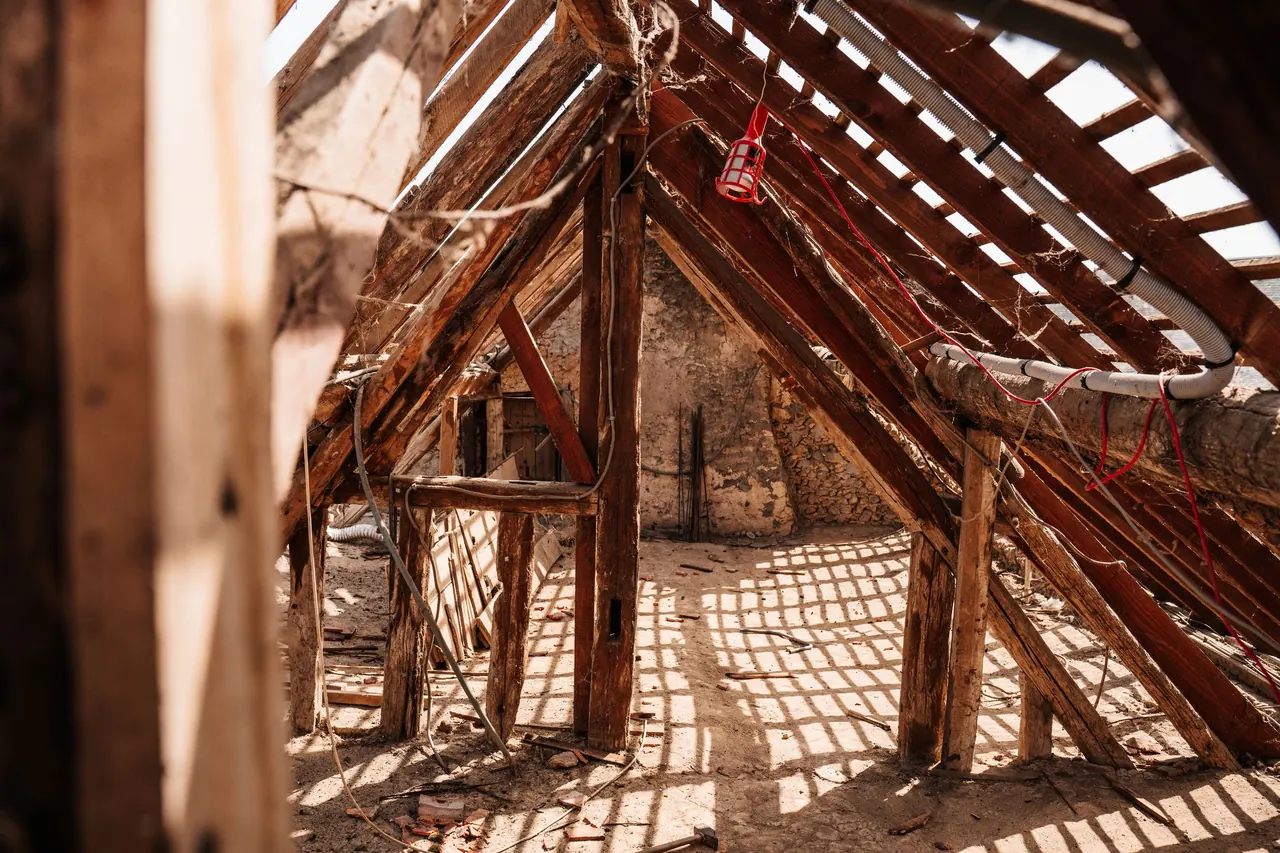
With the scaffold up, the old tiles come off and any worth keeping are set aside for repairs or for the hanging tiles. We strip the battens and old felt, check every rafter and replace or strengthen any that are rotten or cracked. A breathable membrane goes on, then new battens at the gauge the new tile needs. The covering goes on from the eaves up, then the ridge, hips, valleys and lead flashings around dormers and stacks. Ventilation at the eaves and ridge is set to suit the new membrane and your loft insulation.
The scaffold is also the cheapest chance you will get to sort the roofline, so we look at the fascias and soffits and gutters at the same time. Our main roof replacement page has more on how a re-roof is put together, and our article on how long a new roof lasts compares the coverings.
Frequently asked questions
Do the hanging tiles on the gable of my Croham Manor Road house have to come off when the roof is replaced?
Not usually. Tile hanging on the upper walls is a separate job from the roof slopes. Where the two meet, at the verge or a dormer cheek, a few hanging tiles may need lifting to fit new flashings, and we refix them afterwards. If the hanging tiles are slipping as well, it is sensible to deal with them while the scaffold is there.
What tile should go back on a house in the Croham Manor Road Conservation Area?
A hand-made clay plain tile in a colour close to the original is the safe choice, because that is what the appraisal records and what the area was designated for. If you are thinking of anything different, speak to Croydon Council before ordering. We can bring samples so you can compare them against the house next door.
Nobody has looked at the timbers on my Lismore Road roof in decades. What happens if you find rot?
We tell you and show you before anything is covered over. Short lengths of rotten rafter can be strengthened alongside with new timber. Wider damage, such as a wall plate rotted by a long-standing gutter leak, is priced separately so you know exactly what it adds.





