



 Google reviews

Roofs around St Peter's Church
St Peter's Church was built between 1849 and 1851 to a design by Sir George Gilbert Scott, and it is a local landmark. Croydon Council's heritage review records that some of the villas on St Peter's Road and Blunt Road went up as early as the 1850s and 1860s, with most of the rest built before 1910. They range from two to four storeys, with pitched or cross-gabled roofs in clay or natural slate, decorative ridge tiles, ornate bargeboards and bespoke dormers. The review also notes that some have had concrete tile replacements.
A roof that has stood for 150 years or more has usually been repaired many times, not always well. Before deciding what to fix, we want to know what has been done to it already: which slopes are original, which have been re-covered, and where earlier patches used whatever was to hand. A leak that keeps coming back is often at the edge of an old repair.
Why slates slide on an 1850s roof
A natural slate roof depends on its nails. Each slate hangs on two nails, and on an old roof those nails corrode. When enough of them go, slates slip one by one, usually after a wet, windy spell. Roofers call this nail sickness. The slates are often still good, so the repair is to refix them securely and check the battens they hang from. Any slate that has cracked is replaced with a natural slate of the same size and colour, from reclamation where the original is no longer made.
Cross-gabled roofs add another weak point. Where two roofs meet at right angles there is a valley, and on these villas that valley is usually lined in lead. Old lead splits along the edges as it expands and contracts, and debris from trees around the churchyard sits in the valley and holds water against it. We clear it, check the lining and reline it in lead if it has failed.
The decorative ridge is the third common fault. Each ridge tile sits in a mortar bed, and when the bed cracks the tile works loose. On these houses the ridge tiles are often ornamental, so we lift them carefully, clean them and rebed them rather than replacing them with a plain modern ridge.
Other jobs come up on this kind of roof too:
- Dormer cheeks and aprons: lead or tile around the bespoke dormers that has lifted or cracked.
- Abutments and parapets: lead flashings where the roof meets a higher wall, often with the mortar joint that holds them washed out.
- Concrete patches: where part of a slope was re-covered in concrete tiles, the join between that and the slate is a frequent leak point, and we check whether the heavier tiles have made the slope sag.
Leaks at the stack are covered on our chimney repairs for South Croydon page.
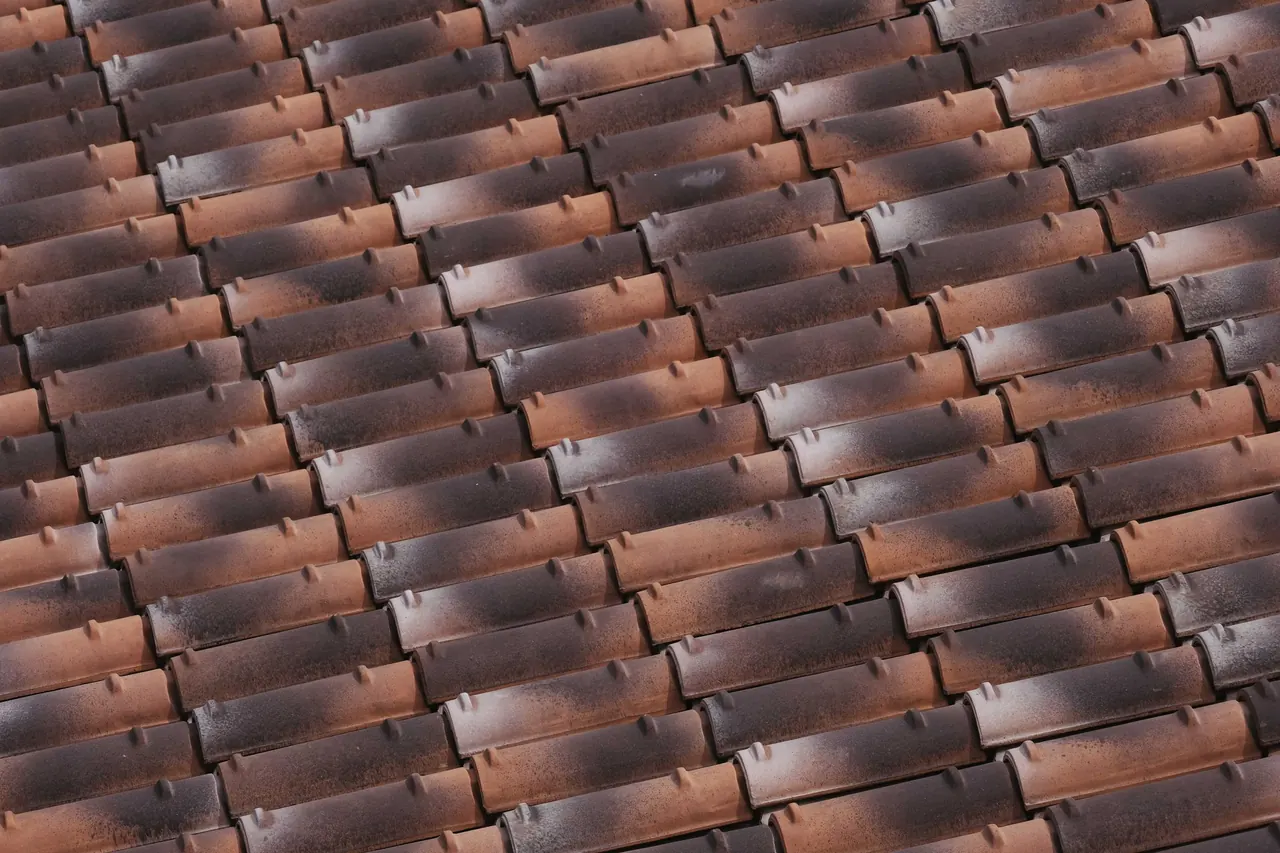
Repairs on a four-storey St Peter's Road villa
On a four-storey villa, reaching the roof is a large part of the job. We start with photographs, using the drone where the upper slopes cannot be seen from a window, and a look in the loft for staining. That lets us show you the fault before any access is booked and decide whether a roof ladder will do or a scaffold tower or scaffold is needed.
The Which? roofer cost guide gives £75 to £400 excluding VAT for replacing one to six standard tiles. On a South Croydon villa, scaffold to the third or fourth floor and the cost of matching slate are what move a job away from that range, so the written quote spells both out.
If water is coming in now, our emergency roof repair in South Croydon page explains how we deal with it first. If faults are showing across every slope, our guide on repair or full replacement explains how we weigh it up, and the main roof repair page covers repairs on any type of roof.
Frequently asked questions
Can you save the decorative ridge tiles on my St Peter's Road villa?
Usually. Most loose ridge tiles have failed because the mortar under them has cracked, not because the tile has broken. We lift them, clean off the old bedding and rebed them. If one is broken, we look for a matching piece from reclamation before considering anything new.
Water comes in where the cross gable on my Blunt Road house meets the main roof. What has failed?
Most likely the valley between the two roofs, or the flashing where the gable wall rises above the slope. Lead valleys on roofs this age often split along their edges or have been patched with bitumen that has cracked. We look from the loft and the roof, then reline or reflash whichever part has gone.
Half the slates on the back of my 1860s villa have slipped. Repair or re-roof?
If the slates are sound and the battens are firm, refixing them is often fine for many years. If the battens are rotten, the felt has gone and slates are slipping across every slope, a re-roof may be the better use of the money. We show you the evidence for whichever we recommend, and our South Croydon roof replacement page covers the full job.





