



 Google reviews

Slates over the pavement on the villa streets
After a gale, the front of a villa on Chatsworth Road or Mulgrave Road can look untouched from the doorstep while a slate sits broken on the path. The late Victorian and Edwardian houses between Park Lane and the railway are two and three storeys tall with steep slate and clay roofs, and a slate that comes off near the ridge of a three-storey house falls a long way. If it lands where people walk, it is an emergency even if no water has come in.
Slates usually go because the nails holding them have rusted through, and one loose slate often means its neighbours are on the same nails. Chimneys are the other hazard. The stacks on these houses are tall, and a pot loosened by wind or cracked flaunching can drop mortar and pieces of pot onto the roof and the ground. If you find bits of brick or pot in the front garden, keep people away from that side of the house.
Park Hill's flat roofs in a downpour
Several of the Wates estates in Park Hill were built with flat roofs, among them Hunters Way, Caroline Close and Tipton Drive. A flat roof that has been patched for years can hold out until a night of heavy rain. Then a split opens, an outlet chokes, or the upstand where a higher wall meets the roof gives way, and water spreads under the covering before it shows on a ceiling. The stain inside can be some way from the hole.
Edges matter in wind. Where an edge trim has already lifted, a gust can get under the covering and peel it further back. Higher ground can also catch more wind than lower streets: Park Hill rises towards the Recreation Ground and its 1867 water tower, and Chatsworth Road sits on the higher ground across the line.
Calling us out, day or night
Our emergency line is answered around the clock, 24/7, weekends included. Ring 0330 133 4111 and tell us what you can see: water coming in, something loose or fallen, and whether anyone is at risk. That tells us what to bring.
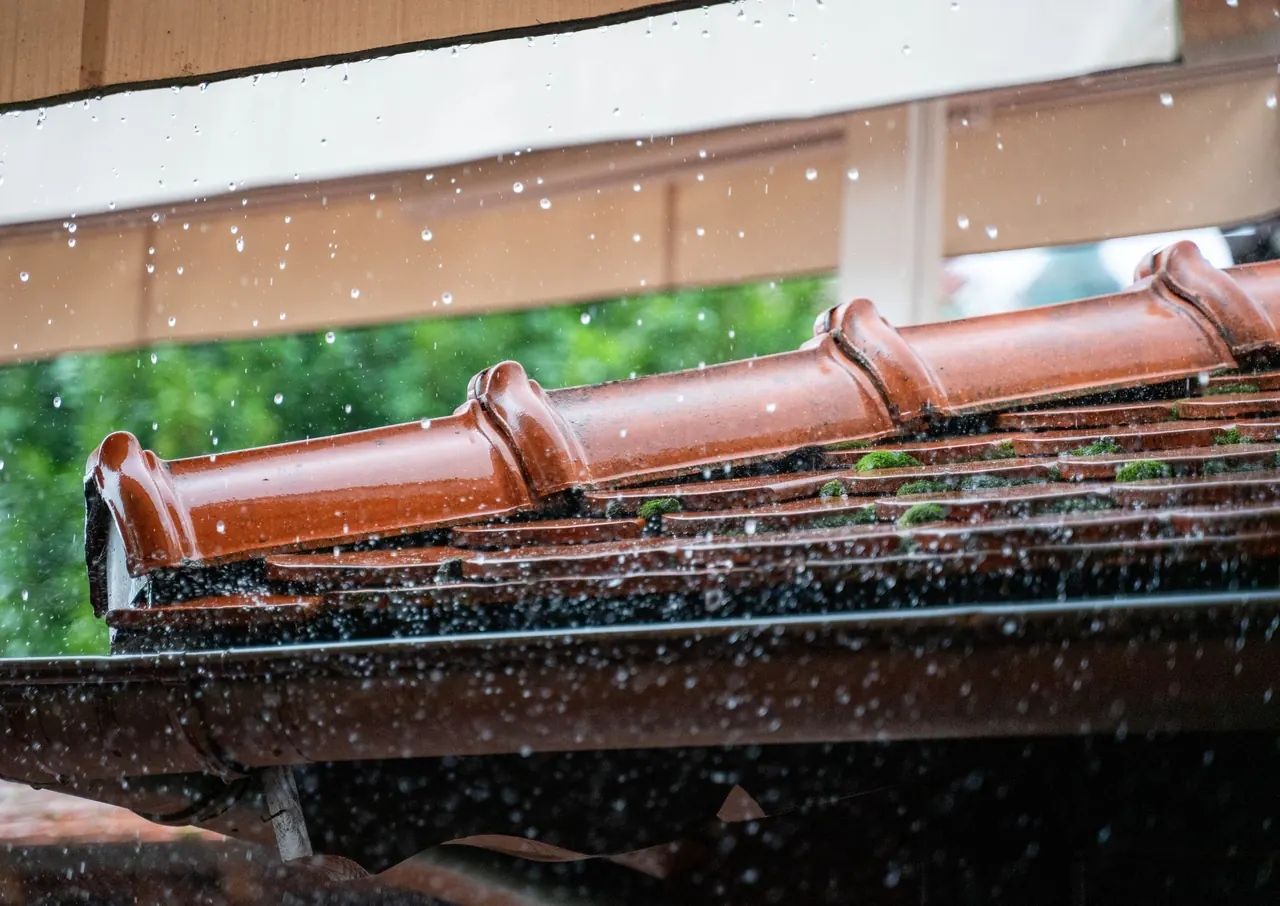
On site, the first job is stopping more water coming in and removing anything that could fall. That can mean refixing or taking off loose slates, patching a split flat roof, clearing an outlet that has backed up, or fixing a temporary sheet over the damage until the permanent repair can be done in dry weather. While you wait, move belongings out from under the drip and, from the ground only, take a few photos. Our article on spotting storm damage from the ground lists what to look for.
For a sense of cost, MyJobQuote's national emergency roofer guide gives £150 to £300 for a typical call-out and £150 to £500 for a temporary repair, before the permanent work. Those are published guide figures, and access on a three-storey villa can push the permanent repair higher.
After the emergency
Once the roof is safe, we explain what the permanent fix involves and price it. On the Chatsworth Road villas we use matching slate or clay where we can, because the conservation area's rules favour repairs that keep the roof as it was. The follow-up is usually booked as an ordinary roof repair on the villa roofs, or as a flat roof re-cover on the Park Hill estates if the covering has had its day. Our main emergency roof repair page explains callouts in more detail. In a block of flats near the station, tell the managing agent or freeholder too, since they usually arrange and pay for the permanent repair.
Frequently asked questions
A slate has landed on the pavement outside my Woodstock Road house. What should I do first?
Keep people away from the area below that part of the roof, then call us. One slate down often means the nails around it have failed too, so we make the slope safe and check the rest of it.
Water is coming through the ceiling under my Caroline Close flat roof, but the leak is nowhere near the stain. Is that normal?
Yes. On a flat roof, water can run along the deck before it finds a way down. We look at the covering around and uphill of the stain, the upstands and the outlet, not only the spot above the drip.
Our top-floor flat near East Croydon station is leaking. Who do I call?
Call us if water is coming in, and tell your managing agent or freeholder at the same time. The roof of a block is usually their responsibility, and the permanent repair needs their go-ahead.





