



 Google reviews

Slipping slates on the houses off the Village
It usually starts with a slate in the gutter or on the path, or a brown patch on a top-floor ceiling after a wet, windy night. On the streets just off Dulwich Village, the roof above is often well over a century old. Aysgarth and Pickwick Roads went up soon after the old Greyhound Inn was pulled down in 1898, and with Boxall Road they form a tight grain of smaller houses beside the bigger Edwardian ones on Burbage Road and Court Lane.
On roofs of that age the covering often outlasts what holds it. Slate nails rust through, so slates slide out of line or drop. Clay tiles crack or lose the small nib that hooks them over the batten. The mortar under the ridge shrinks and washes out, and a loose ridge lets water in along the top of the roof. Where a back addition meets the main roof, a lead or tiled valley collects leaves from the street trees and holds water against the joint.
Water in an old roof rarely comes out where it gets in. It can run along a rafter or purlin and drip through a ceiling several feet from the fault, so we check the loft with a torch for wet timber and daylight, then look at the roof itself, by ladder or with the drone where a slope is high or hidden behind a back addition.
Two sets of rules, even for small repairs
Southwark's guidance for the conservation area lists refixing loose roof slates and repointing failed mortar as minor maintenance that needs no council authorisation. The Dulwich Estate is a separate matter. Its Scheme of Management covers repair and maintenance as well as changes to how a house looks, so check with the Scheme office before work starts. A loose slate after a storm can be made safe straight away, and our Dulwich area page sets out how the Estate's approval works.
The Estate also asks for repairs to match the original roof, for decorative ridge tiles to be kept and matched in colour, and prefers antiqued clay where clay is replaced. In practice:
- a broken slate is replaced with a natural slate of the same size and colour, never an artificial one
- a cracked clay tile is replaced with a close match, often a reclaimed tile that has weathered the same way
- a loose decorative ridge is lifted, cleaned and rebedded, not swapped for a plain one
- a patch of concrete tiles from an old repair is pointed out, so you can plan to put the right material back when the time comes
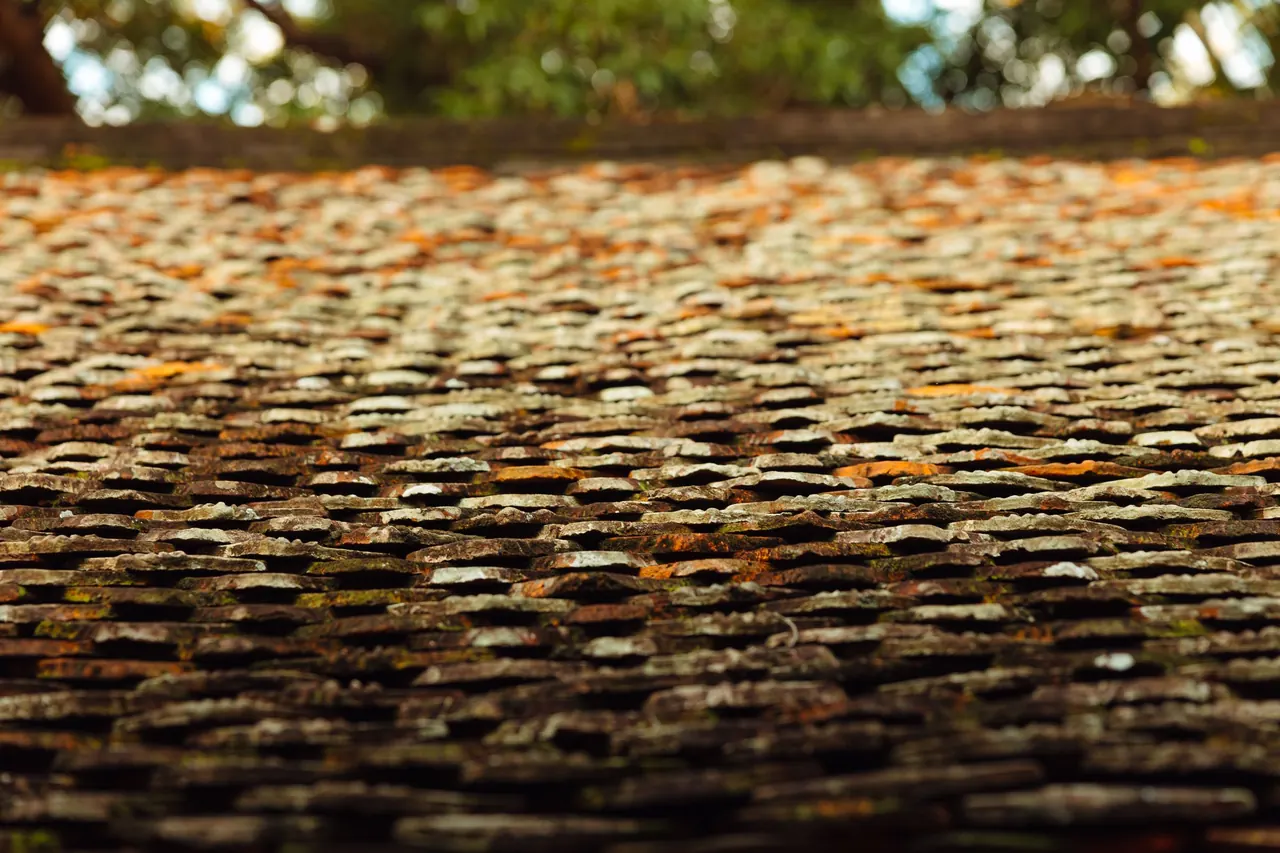
When one slate is a sign of the whole slope
When we fix a slipped slate we also say why it slipped. If the nails across a whole slope have gone, replacing one slate will not stop the next one going this winter, and you should know that before spending money. If a slope has reached the point where patching no longer makes sense, we say so plainly, and our roof replacement page for Dulwich explains what re-covering involves here. Our guide on deciding between a repair and a full replacement walks through how to judge it.
Leaks around the stack are their own job, covered on our page on chimney repairs in Dulwich. Repairs we carry out come with our 10-year guarantee, and the quote is free. For how a repair visit runs from start to finish, see the roof repair service page.
Frequently asked questions
Why do slates keep slipping on my Aysgarth Road roof?
On a roof built around 1900 the usual reason is nail sickness: the iron nails have rusted through, so slates let go one by one, often after a wet, windy spell. If it is happening across a slope, the fixings are failing generally and that slope needs a bigger look.
There is a patch of concrete tiles on my Edwardian roof. Should it come off?
Not straight away if it is watertight. When it does need work, plan to go back to the original slate or clay. Southwark treats concrete tiles as unacceptable in the Dulwich Village Conservation Area, and the Estate wants original materials reinstated.
Will the Dulwich Estate want to see a slate repair before it is done?
The Scheme of Management covers repair and maintenance, so ask the Scheme office first. We can give you the slate type, size and colour we plan to use, which is the detail it is likely to ask about.





