



 Google reviews

Slopes past patching on Eynella and Beauval Roads
A roof is ready for replacement when the repairs stop holding: slates slipping across a whole slope, felt in the loft gone brittle or torn, or the same roof needing a roofer every winter. On roofs as old as most of Dulwich's, it is usually the nails, battens and underlay that give out first, not the slate or tile, and stripping back and starting again costs less in the long run than another round of patching.
The late 19th and early 20th century houses on Eynella Road, Beauval Road and Dovercourt Road are a harder re-roof than a plain terrace. Southwark's appraisal picks out their bays and barge-boarded gables, and those mean more hips, valleys and verges, and more lead. Each of those details has to be rebuilt properly or the new roof will leak where the old one did.
The job runs in a set order. Scaffolding goes up with the house and garden protected. The old covering, battens and underlay come off back to the rafters, and we check the rafters, purlins and wall plates and repair any that are no longer sound. Then the new membrane, battens and covering go on, with valleys, hips, ridges and lead flashings renewed and decorative ridge tiles refitted or matched. With the scaffold up, it is also the time to deal with gutters, fascias and the chimney stack.
Inside the Village conservation area: Southwark's three points
For houses inside the Dulwich Village Conservation Area, the council's guidelines set out how a replacement roof should be handled.
- Keep and repair first. Original roof coverings should be kept where possible and repaired with slate or clay tile to match.
- Like for like when it has to go. Where re-roofing cannot be avoided, natural slate or clay tile, as appropriate, will usually be required.
- No concrete or artificial slate. These are described as unacceptable, both for how they look and because their extra weight can damage a roof structure that was never built to carry them.
The Estate adds its own detail for houses under its Scheme of Management: get a sample of the replacement slate to check colour and texture, match clay tiles with care, prefer antiqued tiles, keep the decorative ridges, and have samples approved by the Scheme of Management office before work starts. Its permit and licence process is explained on our Dulwich roofing page, and it is worth building that time into your plans before booking scaffolding.
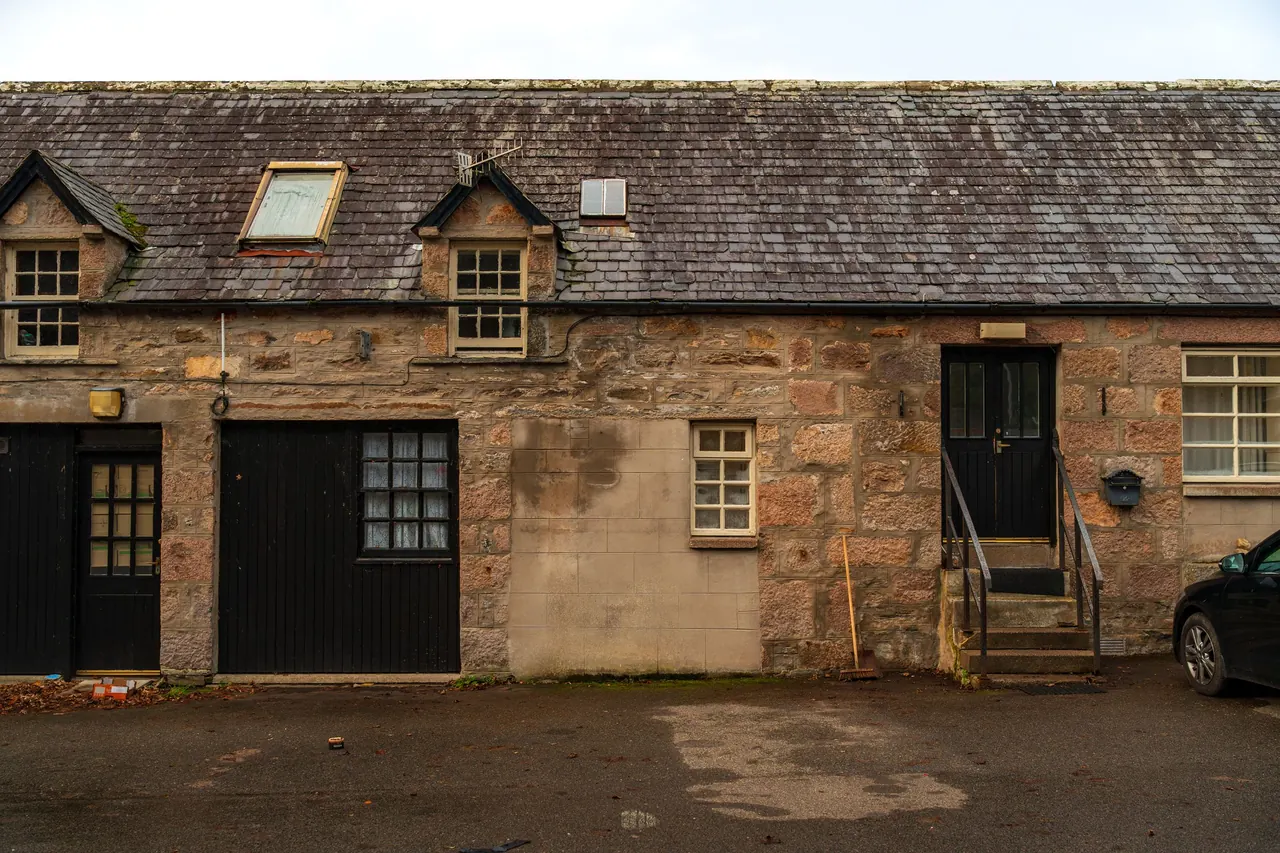
Concrete next to slate on Croxted Road
The Dulwich Estate's guideline on roofs points to a pattern you can see from the street. On Croxted Road, among other places, houses with concrete tiled roofs stand next to houses of the same period and design with slate. The Estate's explanation is that concrete tiles may have been used to repair bomb damage in the 1940s, and its instruction is that when they are replaced, the original clay or slate should go back to match the houses around them.
Croxted Road runs along the boundary between Southwark and Lambeth on the West Dulwich side, and it is not one of the Village conservation area streets that Southwark's appraisal describes, so the three points above are not the test there. For a house under the Scheme, the Estate's guideline is. Check with the council for your side of the road whether any other designation applies before you settle the covering.
For a sense of scale, Which?'s survey of its Trusted Traders put replacing a tiled roof on an average three-bedroom house at £7,000 to £21,000 before VAT, a national guide that it says runs higher in London. A gabled Dulwich house in natural slate will sit toward the upper end. Our re-roofs carry a 10-year guarantee. If you are not yet sure the whole roof has to go, a roof inspection in Dulwich will show you, and the roof replacement service page covers the coverings we lay.
Frequently asked questions
Does Southwark's conservation area guidance apply to my Croxted Road house?
Probably not. Croxted Road is not one of the streets Southwark's Dulwich Village appraisal describes, and the west side of the road is in Lambeth, so check with your council. If the house is under the Dulwich Estate's Scheme of Management, the Estate's own guideline applies, and it asks for the original slate or clay to go back when concrete tiles come off.
Is natural slate heavier than the concrete tiles on my roof now?
No, natural slate is generally lighter. Southwark's guidance makes the point the other way round: heavy concrete tiles can overload roofs designed for slate or clay.
Who decides whether my Edwardian house goes back to slate or to clay?
The original material does. Matching houses on the same road usually show what yours was built with, and if the house is under the Scheme of Management, the Estate approves the sample before work starts.





