



 Google reviews

A whole new roof on a Dulwich house
Most people searching for a new roof want one over the house they already have. If that is you, the job is a full strip and re-cover, and in Dulwich the rules decide most of the choices. Inside the Dulwich Village Conservation Area, Southwark's guidance says natural slate or clay tile will usually be required, and rules out concrete tiles and artificial slate. For houses under the Dulwich Estate's Scheme of Management, the Estate approves the sample before work starts.
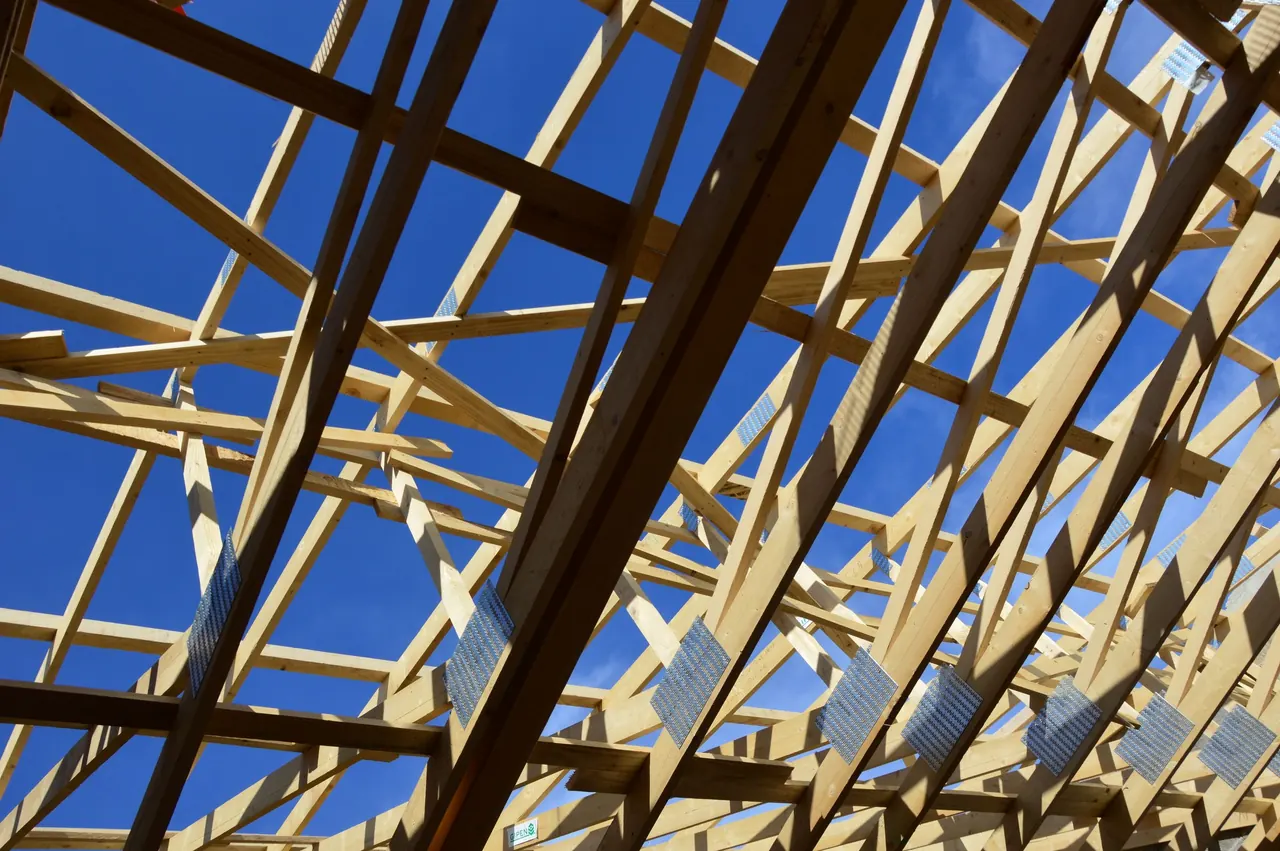
A new roof over the whole house goes up in a set order: scaffold, strip to the rafters, repair any timbers that are no longer sound, then membrane, battens at the gauge of the chosen slate or tile, and the covering laid from the eaves up, with new lead at every abutment and the decorative ridges refitted or matched. Our page on roof replacement in Dulwich goes through that job in detail, including the guide costs and the concrete-tile roofs on Croxted Road.
Barry's cottages on Boxall Road and what gets added to them
In the late 1870s the Dulwich Cottages Company hired Charles Barry the younger, the architect behind much of Dulwich College, to design cottages that would suit the old village around them. Southwark's appraisal records surviving examples on Turney Road, Boxall Road and the south end of Calton Avenue, and describes the Boxall Road houses as the humblest in the area, with the smallest gardens.
Small houses with small gardens rarely get big extensions. What they get is a lean-to over a back kitchen, a roofed porch, a side return or a pitched roof over an old outbuilding. Each is a new roof, and each sits right next to a slate roof well over a hundred years old. Done well, the new piece looks as if it has always been there. Done badly, it is the first thing you notice from the garden.
The 1920s stuccoed pairs on Roseway and 157 to 175 Turney Road are different again. They have shallow roofs and deep eaves, so a porch roof there needs a low pitch and a generous overhang to look right, not a steep cottage pitch.
Southwark's line on roof form
The council's guidance for the conservation area says roof extensions and changes to the basic roof form are generally likely to be intrusive and unacceptable. Where a roof is already altered or hidden from view, some change may be possible, and the council looks for low-key designs in suitable materials. On Court Lane, the appraisal notes that dormers added to some pairs have already broken the rhythm of the rooflines.
That is why most new roofs on additions here are low and at the back. A single-storey addition with a pitched roof in natural slate, set below the eaves of the house, is the kind of low-key design the guidance describes. Natural slate is also lighter than concrete tile, which suits a light lean-to frame. The Estate's approval sits on top of the council's, as our Dulwich roofing page explains.
Where the new roof meets the old wall, the lead flashing is cut into a mortar joint rather than the brick and pointed back to suit the old, soft brickwork. Where the main roof is clay tile, as on many Edwardian houses toward Court Lane, the same approach applies with clay, and the Estate prefers antiqued tiles that look weathered from day one. Not every addition suits a pitch: a wide kitchen extension may be better flat, and our page on flat roofing in Dulwich covers those. The roof installation service page explains how we build new roofs generally.
Frequently asked questions
Is a new lean-to on a Victorian Dulwich cottage a change to the roof form?
A low addition at the back, below the main eaves and in the same material, is a different thing from altering the main roof, which is what Southwark's guidance treats as generally unacceptable. Your architect or the council's conservation team can tell you how your plans will be read.
What pitch should a porch roof on Roseway have?
One that follows the house. The Roseway pairs have shallow-pitched roofs with deep eaves, so a steep porch roof would look out of place. We check the minimum pitch the chosen slate or tile needs and work to that.
Will new slate look brighter than the old roof on my Dulwich Estate house?
For a while, yes. New natural slate weathers in over a few years. Choosing a slate close in colour and texture to the original, from a sample, is what the Estate asks for, and it keeps the difference small from the start.





