



 Google reviews

Gutters above the pavement on Station Road
A dripping gutter over a shop does more damage than the same fault on a house. It lands on people waiting outside, a split downpipe stains the sign and the shopfront, and water spilling behind the gutter soaks into the wall of the flat above, where it shows as damp inside long before anyone looks up.
Belmont's shops went up in the village's first decades. According to the residents' association history, shops were built around 1890 on the east corner of Kings Road and the west corner of Belmont Road, and The Parade on Station Road followed around 1900. Buildings like these usually have the shop at street level and a flat or storage above, with the front gutter running along the parapet or eaves directly over the pavement.
The work itself is often straightforward: a new seal in a joint, a replacement length, or a downpipe refixed and reconnected. Access is what needs planning, because the pavement under the work has to be kept clear while anyone is up there.
Cast iron on the Belmont Road terraces
The terraces on Belmont Road and Kings Road date from the 1880s, when gutters and downpipes were cast iron. Some will have been replaced with plastic long ago, and some may still be iron. If yours are iron, check the joints and the back of the gutter, where rust starts. Iron that is rusted at a joint can often be cleaned, resealed and painted. Iron that has rusted through along its length, or cracked, needs that section replaced, in iron if you want to keep the look or in a cast-iron-style plastic or aluminium if you do not.
Joining new to old is the detail that needs care. Where a cast iron run meets a plastic length, the two need the right adaptor and support either side, or the joint opens again as the materials move.
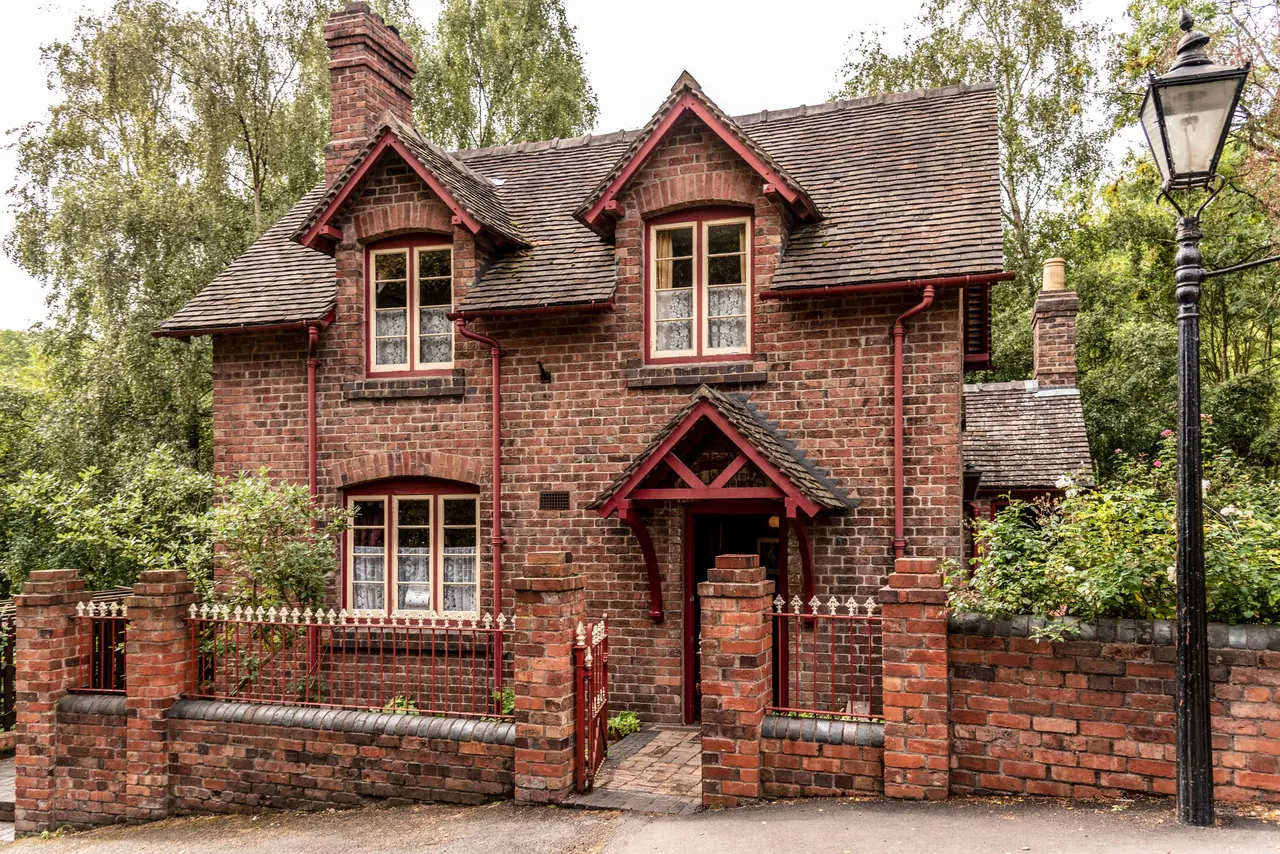
Hipped corners on the houses towards Sutton
Many of the houses that went up through the 1920s and 1930s between Belmont and Sutton have hipped roofs, so their gutters run round several sides with an angle joint at each corner. Corners collect the water from two slopes at once and are a common place for a joint to give. Long runs between brackets can also lose their gradient as brackets loosen, leaving a dip where water and silt sit.
We check the gradient, brackets, joints, outlets and downpipes and the fascia behind, then reseal joints, refix or add brackets, reset the fall, swap damaged lengths and reconnect downpipes. Where the run is packed with leaves, we clear it so the repair is not undone by the next storm. If the boards behind have softened, that is a job for our fascias and soffits service.
As a published guide, MyJobQuote's repair guide puts the average UK gutter repair at around £215. If the whole system is brittle and leaking at every joint, replacing it will cost less in the long run, and our gutter installation page for Belmont sets out the options. More on repairs is on our main gutter repairs page.
Frequently asked questions
Our cast iron gutter on a Belmont Road terrace has rusted through at one joint. Can that length be replaced in plastic?
Yes. A cast-iron-style plastic length can be joined to the iron with the right adaptor, though it will look slightly different up close. If the rest of the iron is sound, a new iron section keeps the look and lasts as long as the original if it is painted.
A bracket has snapped on our Kings Road house and the gutter is hanging. Is it dangerous?
A hanging length can drop in wind or under the weight of water, so keep people away from below it. It is a quick repair: new brackets, the length refixed at the right gradient, and the joints either side resealed.
The corner of the gutter on our 1930s hipped house off Belmont Rise leaks at every downpour. Can the angle be fixed on its own?
Usually, yes. Angle joints can be resealed or replaced without touching the straight runs. We also check whether the run has sagged towards the corner, because that puts extra water and strain on the joint.





