



 Google reviews

Avenue Road and the detached houses at the top of the estate
Detached houses are where a seamless system has the most to offer in Belmont, and Avenue Road has a run of them from the years after the First World War. The residents' association history dates its detached houses from 1923. The same source records that Marshall N Inman's original plan set Queens Road, the southern end of The Crescent and Burdon Lane aside for detached houses too.
A detached house has eaves on more sides than a terrace or a semi, and a house of the 1920s often has a hipped roof, so the gutter runs right round the building. Sectional guttering on a run like that has a union joint every few metres, each held by a bracket and a rubber seal. Seamless aluminium is formed to the exact length of each side, so the joints that remain are at the corners, stop ends and outlets. Our main seamless gutter installation page explains how the system is made and fitted.
Counting the joints before you decide
The quickest way to judge whether seamless is worth it on your house is to count the joints in the gutter you have now. If most of them are on the straight lengths, a seamless run removes them. If most are at corners, outlets and changes of level, it saves much less, because those joints stay.
On a big detached house that count usually comes out in seamless's favour. A garage or side extension with its own straight eaves can often be run in the same way. Where the garage is lower or set back, it gets its own length with its own outlet.
The fascia has to be sound before any new gutter goes on it, so we check the boards first. If they are soft, our Belmont fascias and soffits page covers replacing them, and doing both at once saves a second set of ladders or scaffold.
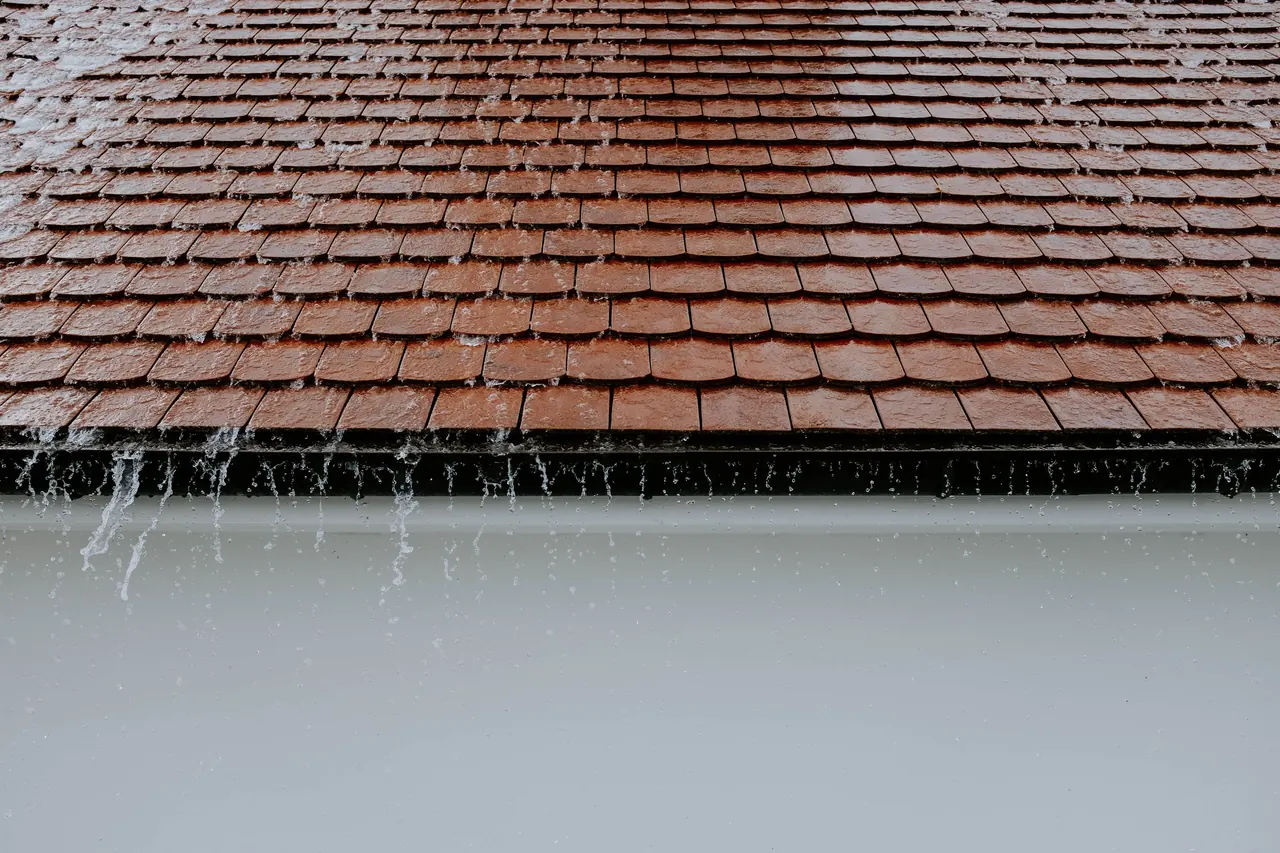
Colour, and the upper Crescent's trees
Aluminium comes with a coloured coated finish, so it can match or contrast with the windows and fascias. On a 1920s brick house, black, dark grey or brown often looks closer to the painted metal gutters of the period than bright white plastic does.
The Crescent's verges were planted with trees in 1904, and where trees still overhang the detached houses on the upper Crescent, fewer joints means fewer places for debris to catch, but the gutter still collects leaves, and the outlets still need clearing every year. Under trees, placing the outlets where they can be reached matters more than usual, and gutter cleaning in Belmont keeps any system running.
On the 1880s terraces of Belmont Road and Kings Road, each house has a short front and the gutter joins next door's at both party walls, so a seamless length removes very little there. A good sectional gutter is the better buy, and our gutter installation page for Belmont covers it.
Frequently asked questions
Our Avenue Road house has a garage at the side. Can the seamless gutter carry on along it?
If the garage eaves are at the same height and line as the house, the run can often continue. If the garage is lower or set back, it gets its own length with its own outlet, which is usually better anyway.
Our detached house on the upper Crescent is under the street trees. Is seamless still worth it?
It can be, as long as you plan for the leaves. A seamless run has fewer joints for debris to snag on, but the outlets will still need clearing after leaf fall, so we put them where they can be reached easily.
Can seamless guttering go on a newer house at Belmont Heights?
Yes, as long as the fascias are firmly fixed. Newer houses often have shorter runs broken up by gables, so we count the joints with you first to see whether seamless saves enough to be worth it.





