



 Google reviews

Old clay connections under the 1880s downpipes
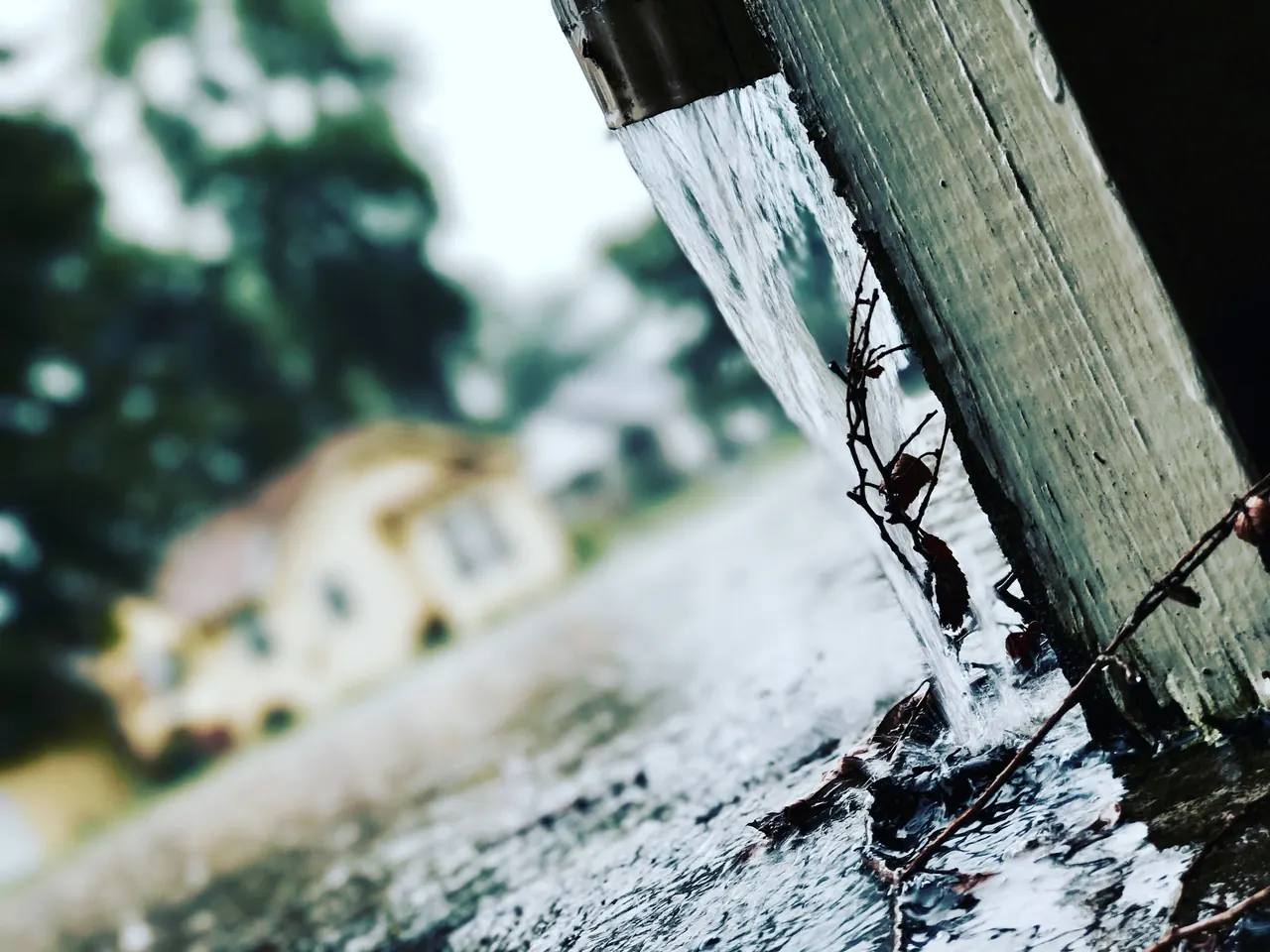
On the terraces of Belmont Road and Kings Road, built in the 1880s, the downpipe typically runs into an underground drain through a gully or a clay connection at the foot of the wall. Clay pipes of that age can crack, shift or fill with silt. When that happens the downpipe backs up from the bottom even though the gutter and the pipe above are clear, and water rises out of the joints or spills from the gutter in heavy rain.
That is why a blocked gutter here is worth tracing from top to bottom. We clear the outlet, rod or flush the downpipe down to ground level, and look at how freely the water leaves the bottom of it. If water still backs up after that, the fault is in the underground drain, and that is a drainage job. We tell you so rather than guess.
Where the blockage was caused by something we can fix, such as a sagging length that let silt settle, an outlet that is too small for the run, or a joint that has opened, we put that right before we leave, so the next storm does not rebuild the dam. Where the whole system is worn out, a new system may be the better answer.
Two roofs, one outlet at the back
Terraces of this age step down at the back, and on many the main roof's water comes down a short pipe onto the lower back addition roof or into its gutter. When the lower outlet blocks, it has two roofs' worth of water with nowhere to go. The first sign is often a damp patch inside the kitchen or bathroom. Clearing that outlet and checking the short pipe is a gutter job. If the slates or lead on the back addition have been damaged where the water has been landing, that is a roof repair in Belmont, where the junction itself is covered.
Conkers beside Belmont Pastures
Belmont Pastures is the nature reserve between Knockholt Close and the railway. The council describes it, as quoted in the residents' association history, as a grassland site with "some large old horse-chestnut trees and plenty of dead wood". For the handful of houses right beside it, that means a particular kind of blockage.
Horse chestnut leaves are large and flat, and in autumn the spiky husks and the conkers themselves drop onto nearby roofs. Conkers and broken husk roll to the lowest point, which is the outlet, and once a few lodge in the mouth of the downpipe, leaves pile up behind them within days. The gutter then fills from the outlet backwards. For these houses the outlet is the part to get right: cleared, the pipe below it rodded if anything has dropped further down, and checked for size against the run it serves.
A wire balloon guard in the top of the downpipe can stop conkers getting into the pipe itself, though it then needs clearing when the gutter is. For a planned clean before and after leaf fall, see our Belmont gutter cleaning page. More on what a blocked gutter repair involves is on our main blocked gutter repair page.
Frequently asked questions
The downpipe on our Belmont Road terrace backs up at ground level. Is that your job or a drain company's?
We clear the downpipe down to the ground and check whether water leaves the bottom freely. If it still backs up after that, the fault is in the underground drain, and a drainage company with a camera survey is the right call.
We live on Knockholt Close and conkers keep jamming our downpipe. Will a wider outlet help?
A bigger outlet and downpipe can help on a long run, and a balloon guard keeps conkers out of the pipe. Neither stops the gutter filling, so under horse chestnuts a clean after the conkers drop is still worth booking.
Water is spilling off the back addition roof of our Kings Road terrace. Where is the blockage?
Check whether the main roof's pipe is still running onto the lower roof in rain. If it is, the lower gutter or its outlet is blocked. If it is not, the blockage is in the main gutter or its pipe, and the overflow is coming from above.





