



 Google reviews

Where is the water stopping?
An overflowing gutter tells you there is a blockage, not where it is. On a larger house the water can stop in four places: in the gutter run itself, at the outlet, in a hopper head at the top of the downpipe, or lower down at a bend or where the pipe meets the drain. Clearing the gutter run alone does nothing if the plug is in the pipe, and the gutter fills again with the next downpour.
So the first job is finding it. Once the run is cleared, water is flushed through and the point where it backs up shows itself:
- a downpipe that stays dry while the gutter spills points to the outlet or hopper
- a downpipe that fills and bubbles or weeps at its joints points to a bend or the shoe further down
- water that runs freely down the pipe but floods out at ground level points to the gully or the drain below it
- a gutter holding a pool at one point with the outlet clear is not blocked at all, but sagging, and that is a bracket job for our gutter repairs in Banstead
Cast iron downpipes on the old village's flint and weatherboard
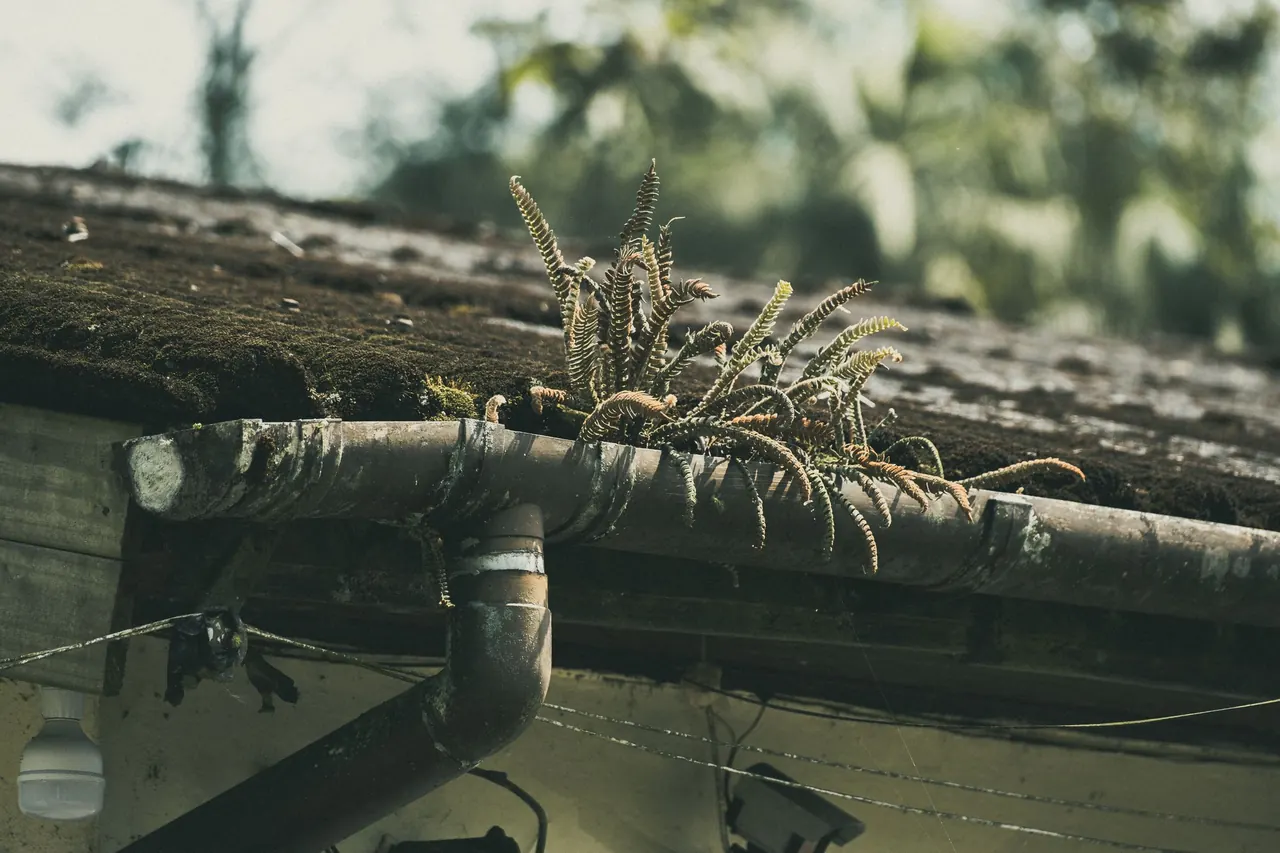
The council's character appraisal describes the little enclave of Mint Road as having weatherboarded and flint cottages, and weatherboarding and flint run through the rest of the old village around Park Road. Where a cottage still has cast iron downpipes and hoppers, those block in their own way. Rust builds up inside the pipe and narrows it, the neck of an old hopper is narrower than a modern outlet, and a few years of needles and moss set almost like felt in the first bend.
The pipe is rodded from the top and flushed through. If a section has rusted through inside or split along its back, which is common on the side facing the wall, that section can be replaced with matching cast iron. On a listed house, replacing like for like in the same material keeps it a repair.
The bigger worry on these houses is what the overflow has already done. Water spilling down timber cladding gets behind the boards and into the frame. On flint, it washes out the mortar between the flints. Once the gutter is running, the wall below the overflow point is checked, and if the boards or the timber behind the gutter have gone soft, our fascias and soffits in Banstead work deals with the roofline.
Gullies at the foot of the pipe
On many Banstead houses the downpipe ends in a gully at ground level, and that is where garden debris, moss from the roof and silt collect. A gully that is half full drains slowly, so in a heavy downpour the water backs up the pipe and looks like a gutter blockage. Lifting the grid and clearing the trap is part of the job. If water still will not drain once the gully is clear, the problem is in the underground drain, which you are told about.
Repairs to the cause come on top of clearing and depend on what is found: brackets bent under the weight of wet debris, joints pulled apart, a split hopper or a cracked pipe. If the gutter itself is too far gone, new gutters in Banstead may be better value. For keeping gutters clear before they block, see our gutter cleaning in Banstead page, and if water runs down the wall with the gutter clear, our guide to water leaking behind the gutter covers that separate fault.
Frequently asked questions
The hopper on my village cottage overflows every autumn. Can it be stopped?
Clearing it and flushing the pipe deals with this year. A guard over the gutter outlet keeps the bulk out of the hopper, though the guard itself then needs clearing. If the hopper is cracked or rusted with a narrow neck, replacing it helps.
My cottage near Mint Road has a cast iron downpipe that gurgles and overflows. Is it blocked inside?
Probably, at a bend or the shoe at the bottom, or narrowed by rust. It is rodded through from the top and flushed. If the pipe has rusted through inside, a section may need replacing with matching cast iron.
Water floods out of the gully at the foot of my Nork downpipe. Is the gutter blocked?
Not necessarily. If the gutter and pipe run freely and the water only appears at ground level, the gully trap or the drain below it is the problem. Clearing the gully often fixes it; if not, the drain needs looking at.





