



 Google reviews

Nork's first roofs, nearly a century on
Nork grew quickly once the estate was sold to a development company in 1923. Builders bought individual plots and put up houses through the 1920s and 1930s, so a large share of Nork's roofs are now roughly 85 to 100 years old. Some have already been re-covered. Others may still carry their first battens, with no underlay or an early bitumen felt that has turned brittle and torn along the eaves.
On a roof like that, the tiles may look acceptable from the road while the fixings behind them fail across every slope. Slipped tiles turn up in different places each winter, ridges need re-bedding again, and the loft shows daylight in more than one spot. Each repair is sound in itself, but the next fault is a few rows away. That pattern, rather than age alone, is what tells you a full replacement is due. A drone roof inspection in Banstead shows every slope at once, which is the fairest way to judge it.
Clay or concrete on a Nork house
Outside the conservation area, most Nork owners have a free choice of covering, within Building Regulations and the strength of the existing rafters. Checkatrade's roof replacement guide puts the UK average re-roof at around £8,000, with labour dearer in the South East, and gives concrete tiles a life of around 40 to 75 years, with clay and natural slate lasting much longer:
| Covering | Where it tends to suit in Banstead |
|---|---|
| Concrete tiles | Interwar and later houses in Nork that already carry concrete |
| Clay tiles | Nork houses that started with plain clay tiles, and the village |
| Natural slate | Victorian hipped roofs in the old village |
A change from clay to heavier concrete tiles can mean the rafters need checking or strengthening, and a change of tile on a semi can make the pair look mismatched. We talk through both before you pick.
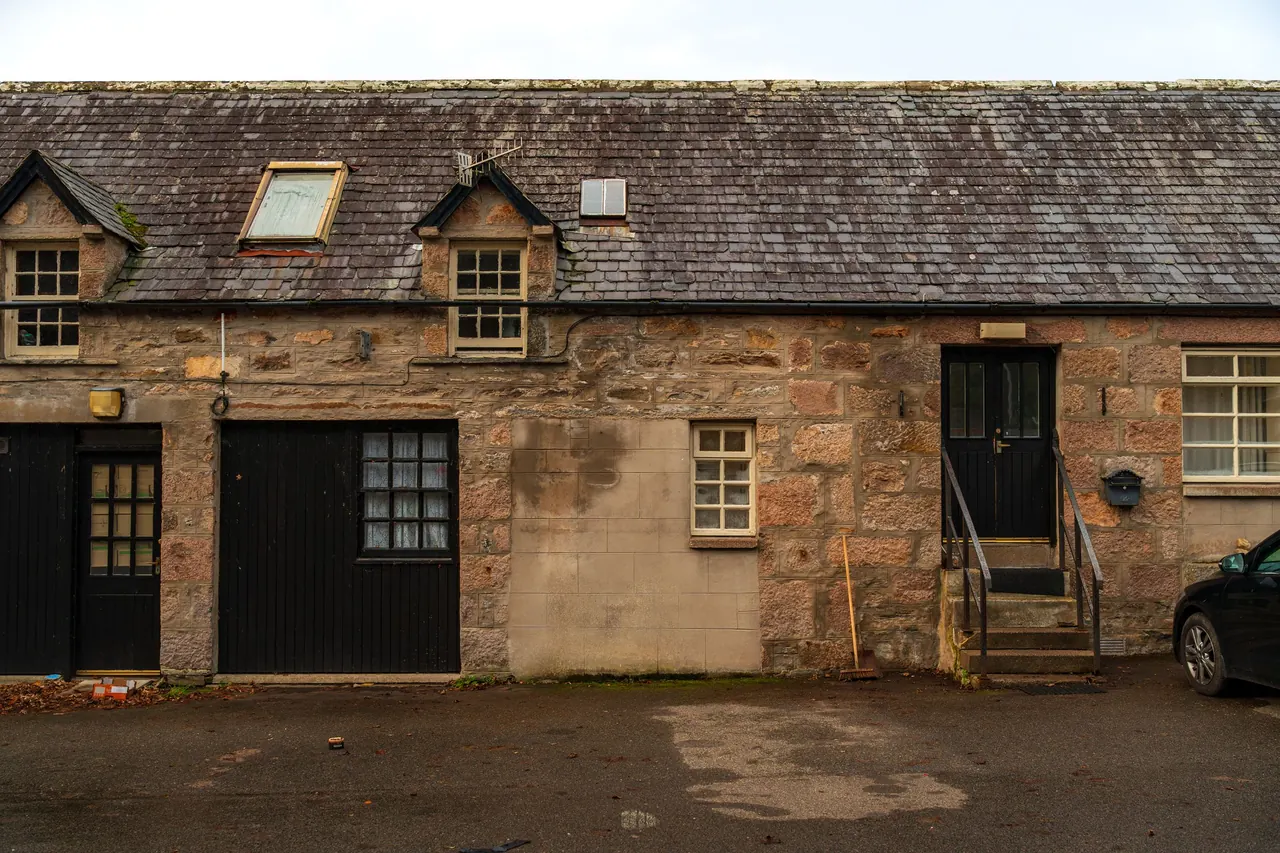
Peg tile and slate around the Wellhouse
In the old village, around the Wellhouse, Park Road, Mint Road and Woodmansterne Lane, the choice is narrower. The council's 2014 draft appraisal of the Banstead Conservation Area aims to reinstate original materials, including plain clay tiles, and discourages concrete tiles. It also proposed an Article 4 direction under which replacing natural slate or handmade tiles with machine-made, concrete or synthetic ones on slopes facing a road or open space would need planning permission. Check the current position with Reigate and Banstead Borough Council before you choose, and on a listed building get consent first.
On these roofs the old tiles are part of the value. We strip carefully, keep every sound peg tile or slate, and make up the shortfall with reclaimed or matching new stock, usually putting the old material on the slopes facing the road.
Scaffold and timescale on a big hipped roof
As a guide, MyJobQuote's roof replacement guide says a typical semi-detached or detached home takes 3 to 5 days, and a larger or more complex roof can take one to two weeks or more. Big hipped Nork houses with several valleys and dormers tend towards the longer end, and wet weather or rotten timber found under the tiles adds days.
Liam, our Lead Roofer, assesses the roof and the access before we quote. The job then runs in order: scaffold and protection, strip out, timber repairs, new breathable membrane and battens, the new covering from the eaves up, then ridges, hips, valleys and flashings. If we find hidden damage once the tiles are off, we stop and show you before doing extra work. With the scaffold up it is also the cheapest time to renew the roofline, so we can price fascias and soffits in Banstead at the same time. Our guide on how long a new roof lasts covers what to expect afterwards.
Frequently asked questions
Does the Article 4 proposal for the Banstead Conservation Area affect my re-roof?
It may, if your house is inside the boundary and the slope faces a road or open space. The 2014 draft proposed that changing from natural slate or handmade tiles to concrete or synthetic ones there would need permission. Like-for-like re-roofing is the safe route; ask the council before changing material.
My Nork house has no felt under the tiles. Does the whole roof need replacing?
Not automatically. Many interwar roofs were built without underlay and stay dry for decades. It becomes a reason to re-roof when the battens are failing as well, or leaks are appearing in several places at once.
Will scaffolding on a long Nork plot go through my back garden?
The scaffold has to go round the house, and materials often come down the side passage. We plan the route with you, protect lawns and borders, and work around any hedge or tree close to the walls.





