



 Google reviews

Rot you cannot see from the pavement
Many of the terraces around Old York Road still have painted timber boards at the eaves, and plenty have a mix, with one house in uPVC and the next in timber. Timber fascias rot from the back. By the time the front face feels soft, the gutter brackets may have lost their grip and the rafter ends behind the board can be wet too. A gutter that sags at one bracket, or a soffit board with a dark stain along its edge, is worth investigating before the next winter.
Sound timber, kept painted every few years, suits these houses well. Rotten timber is replaced, in timber or in uPVC, and uPVC comes in white, black, grey and woodgrain finishes. Against London stock brick, a dark or woodgrain finish usually looks less stark than bright white.
Capping, a thin uPVC board fixed over the old timber, costs less but only suits boards that are sound all the way through. Fitted over rot, it hides the problem for a year or two and traps the damp. The timber is checked, at the corners above all, before capping is recommended.
Dighton Road: eaves that turn the corner
Dighton Road marks the southern edge of the Old York Road Conservation Area. The council's appraisal describes it as mainly the side elevations and boundary walls of the terraces that run off it, and several of those rows end there in hipped roofs.
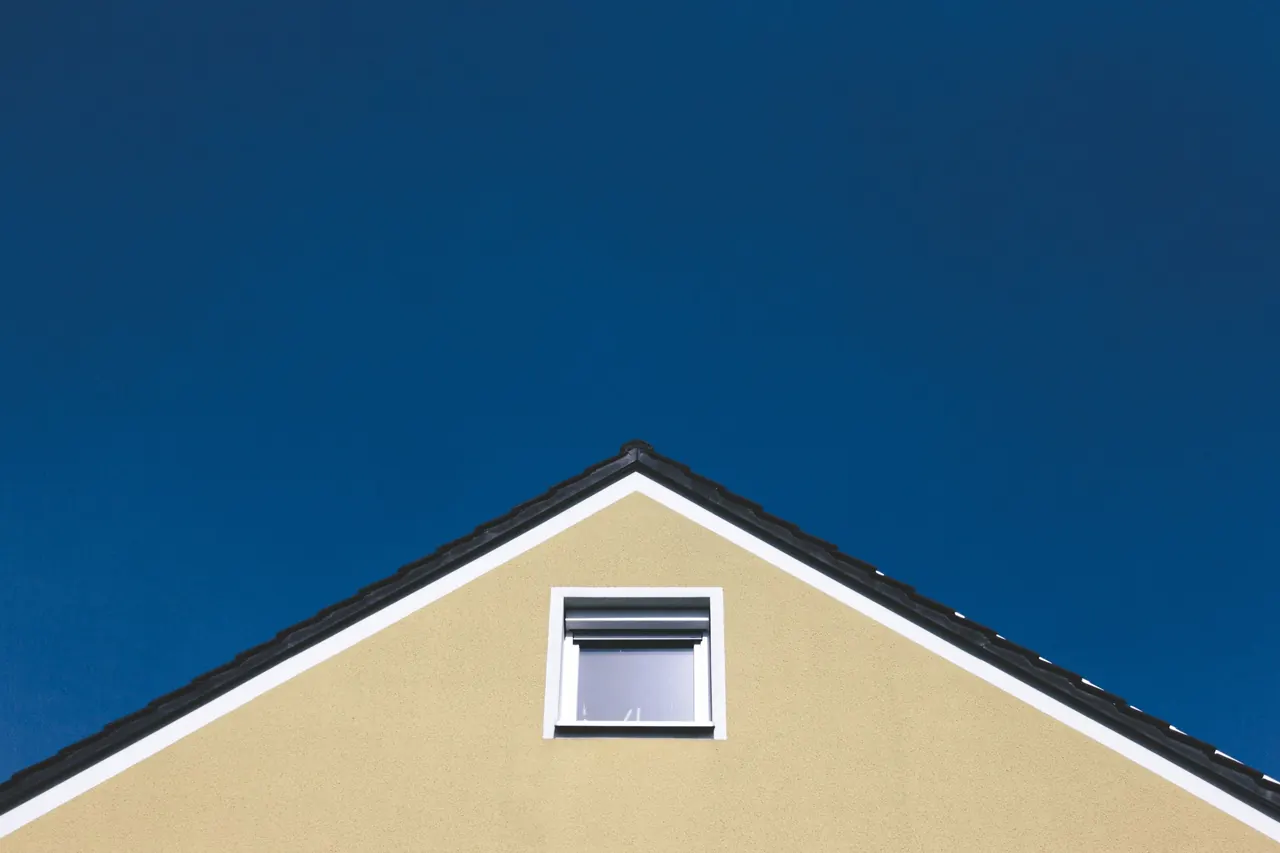
Where a terrace ends in a hip, the eaves do not stop at a gable. They turn and carry on along the side wall. The fascia meets itself at a mitre on the corner, the soffit follows round, and the gutter turns with them. That corner takes weather from two directions and water from two slopes, and a corner joint that has opened is where rot in the board tends to begin. An end house also has a much longer run of board than a mid-terrace, which matters when pricing.
Back additions and mansard trims
At the back there is more roofline: the eaves of the outrigger, low and awkward to reach for painting, and on many houses the trims round a rear mansard or dormer. The outrigger eaves often sit under the drip from the roof above and are frequently the first boards on the house to fail. Mansard trims are usually part of the flat roof detail, so if they are failing the flat roof on top is looked at in the same visit.
Gaps at the soffit are an easy way in for birds and wasps, and new soffits close them off. Ventilated soffits also add airflow to a roof space that has no other eaves ventilation, which helps after a loft has been insulated.
What a roofline costs on a two-storey terrace
As a national guide figure, MyJobQuote's fascia and soffit capping guide, updated in September 2026, gives an average of about £770 to cap the fascias and soffits of a two-bed terraced home. Full replacement costs more. New gutters at the same time add to the bill but mean the gutter only comes down once; our gutter installation page for Wandsworth Town covers that side. If the roof is being stripped, the scaffold is already up and a re-roof is the cheapest time to do the boards.
For houses on East Hill and West Hill, see our fascias and soffits page for Wandsworth.
Frequently asked questions
Only the corner board on my Dighton Road end house is soft. Can just that piece be replaced?
Often, yes. The board is cut back to sound timber either side of the corner, a new section is fitted and jointed properly, and the gutter is refixed. If the boards either side are close to going too, doing the whole return at once saves a second visit.
Does changing timber fascias to uPVC need consent in the Old York Road Conservation Area?
Replacing like for like is normally maintenance. A change of material on the front of a house is worth checking with Wandsworth Council first, and owners in the area's blocks of flats need consent for external alterations because those blocks have no permitted development rights.
How often do painted timber fascias need attention compared with uPVC?
Timber needs repainting every few years, with the back edge behind the gutter the part most likely to be missed. uPVC needs an occasional wash and nothing else. Timber can be repaired in sections when it does go; uPVC is replaced by the length.





