


 Google reviews

The back of the house, through the house
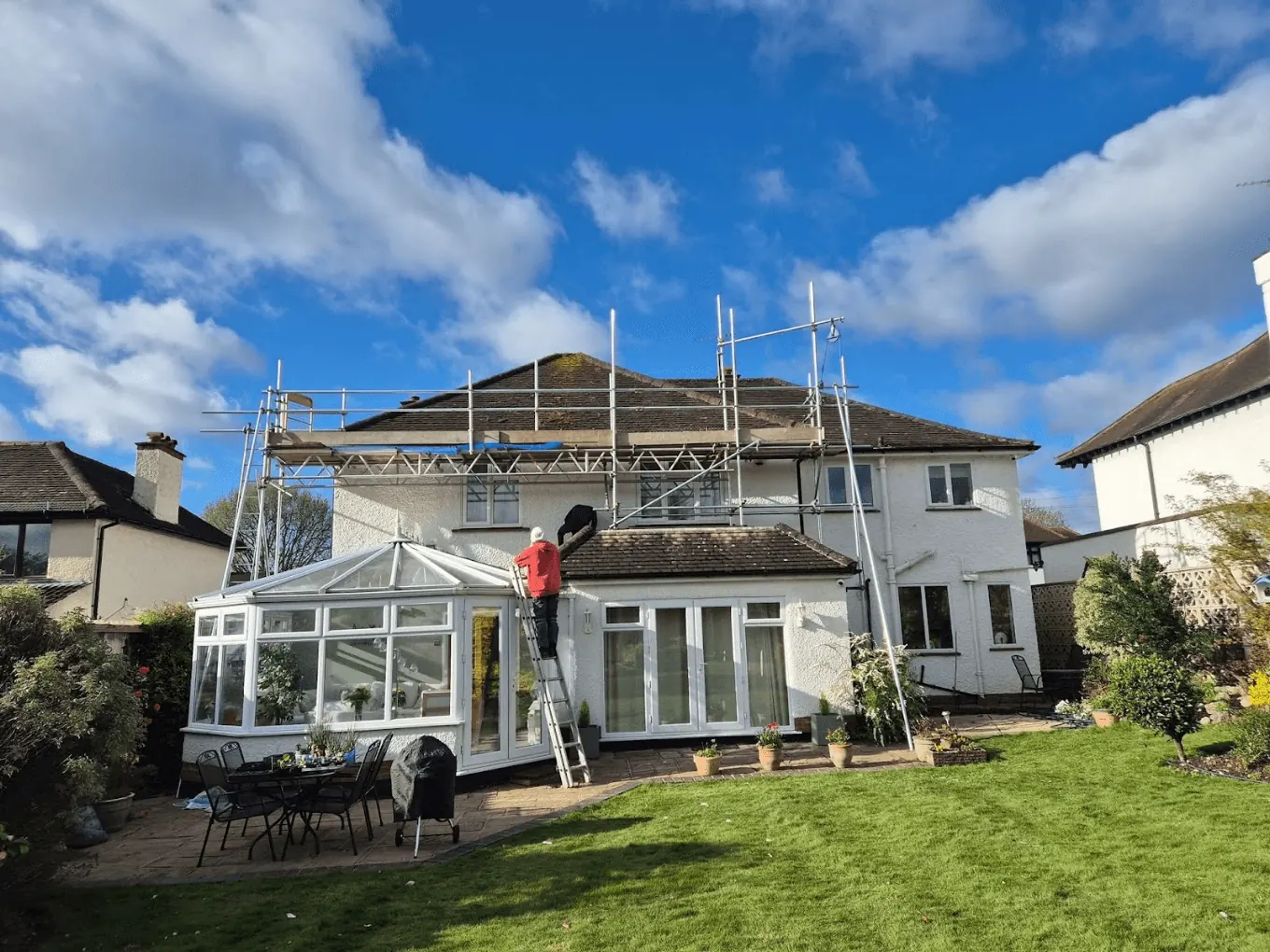
The front gutter of a two-storey cottage here is a few metres long and easy to reach from the pavement. The back is where the work is: the gutter on the back addition, the valley or gutter between your outrigger and next door's, and on many houses a gutter on a rear mansard. None of it can be seen from the street, and on a terrace without a side passage the only route to it is through the house.
So a clean here is agreed with you beforehand. Floors are protected on the way through, ladders and kit come in and out once, and the debris is taken away rather than left in the garden. If a neighbour's garden or a yard behind gives a way round, that is asked about first. Once at the back, every gutter is cleared, the outlets are checked and the downpipes are flushed through, so a blockage lower down is found while someone is already there.
A clean also gives a view of the run. If a bracket has failed or a length has lost its fall, it is pointed out and priced as a gutter repair. If the boards behind are soft after years of overflow, the fascia and soffit page for Wandsworth Town explains the next step.
Bramford Road planes, Old York Road ash, bare Alma Road
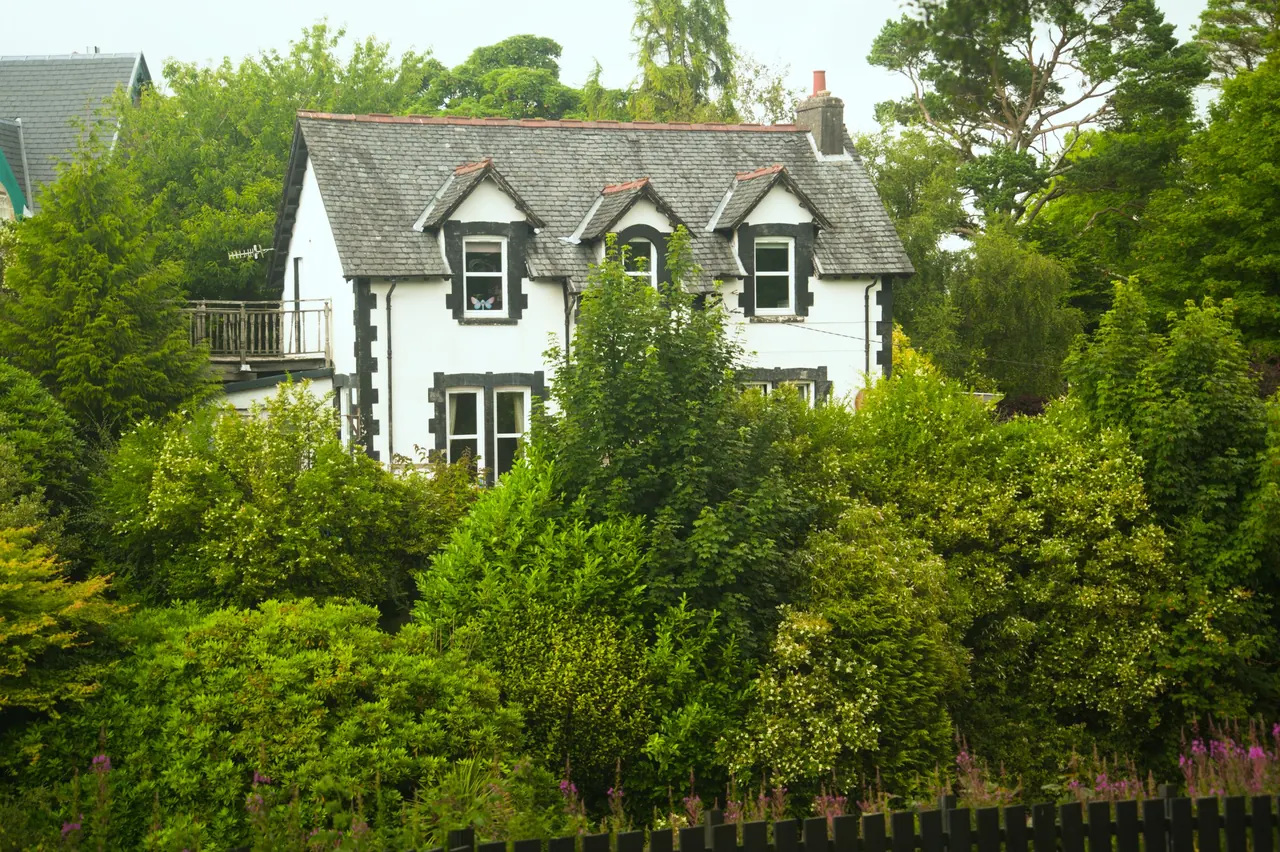
How much falls into those gutters depends on the street. The council's Old York Road appraisal includes a short survey of the street trees. Bramford Road has several London planes, the largest and most mature trees in the area. Old York Road has regular planting along its north side, Raywood ash in the main. Ballantine Street and Dalby Road have a balance of smaller species, and Alma Road is almost devoid of trees.
Plane leaves are large, leathery and slow to rot. They come down over several weeks, settle flat in a half-round gutter and bind into a mat with the grit washed off the roof. Ash leaves are much smaller and break up faster, but the leaflets collect at outlets and in hoppers. A house with no tree nearby still gathers moss, grit and bits of mortar off an old slate or concrete roof, just more slowly, and birds nest in outlets wherever they find a gap.
How often for which street
Under a big plane, a clean after leaf fall in late autumn is the one that matters most, and a second visit in spring catches what comes down late. Under ash, once after leaf fall usually covers it. On a treeless stretch of Alma Road, once a year may be enough. The general guidance behind those intervals is in our article on how often to clean your gutters.
For a sense of price, Which?'s survey of its Trusted Traders, published in its roofer cost guide in October 2026, gives a national guide of £75 to £350 before VAT for clearing all the gutters front and back. On these cottages it is the route to the back, not the length of gutter, that takes the time.
Frequently asked questions
Do you have to come through the house to reach the back gutters on an Old York Road cottage?
On a mid-terrace with no side passage, yes, unless there is access from a garden or yard behind. It is arranged with you in advance, with floors covered on the way through.
There are no trees on my part of Alma Road. Do my gutters still need cleaning?
Less often, but yes. Moss, grit and broken bits of mortar wash off the roof all year, and birds nest in outlets. A yearly check, front and back, catches a build-up before it overflows.
Do the ash trees on Old York Road block gutters as badly as the Bramford Road planes?
Not usually. Ash leaves are smaller and rot down faster, so they tend to wash through to the outlet rather than form a mat. The outlet and hopper are where they gather, so those are what to keep clear.





