


 Google reviews

Three storeys up on Spencer Walk and Deodar Road
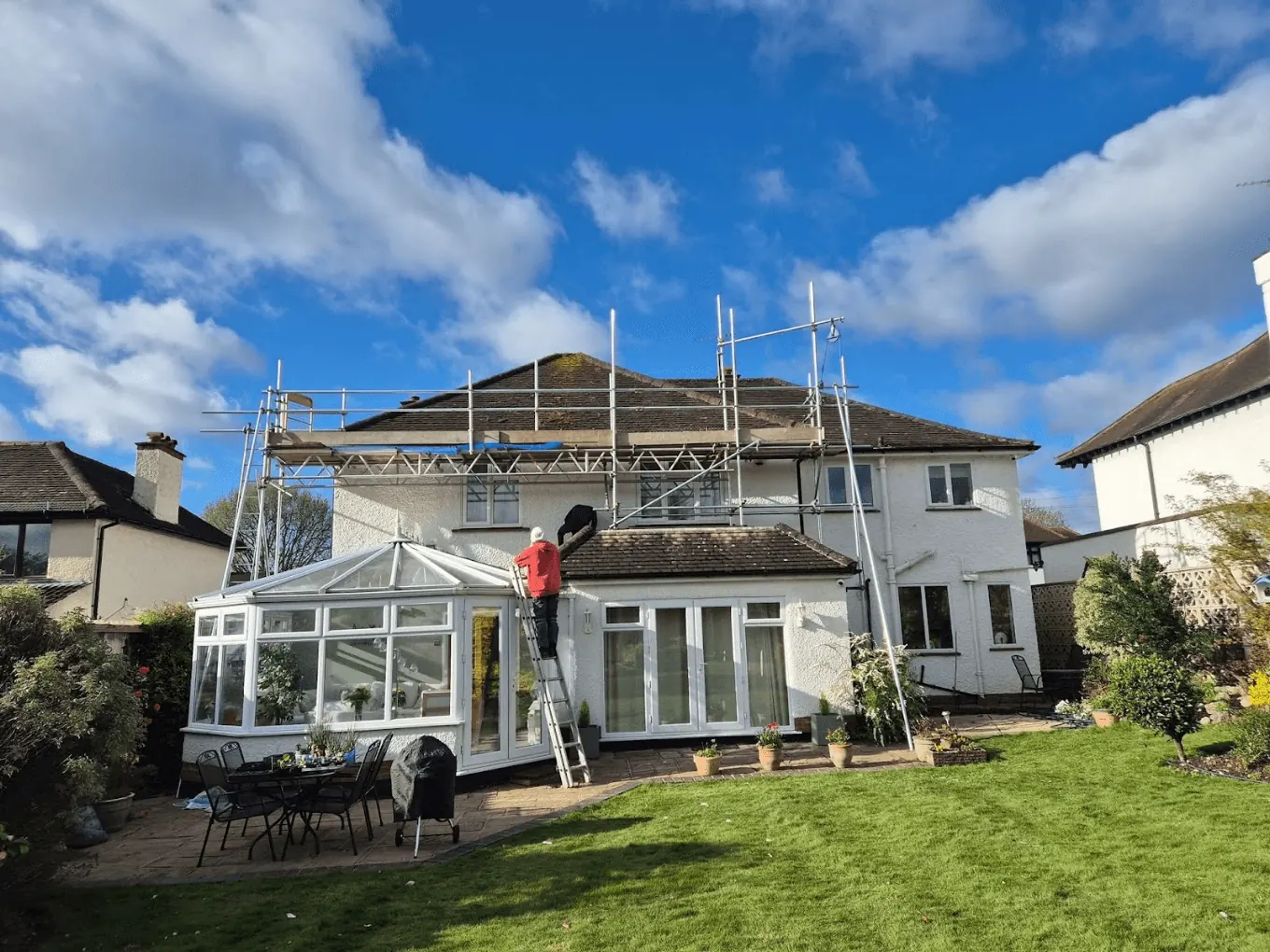
Spencer Walk's Italianate pairs and many of the Charlwood Road villas are three storeys high, and Deodar Road's houses, built just after 1896, are mostly three storeys and gabled, with long back gardens on the north side running down to the Thames. On houses like these a gutter clean is first an access question. The front run may be reachable with the right equipment from the pavement or front garden; the back, at the end of a long garden or above a rear addition, often needs more. We check access when you book, so the visit is planned for the house rather than worked out on the day.
Height also hides the problem. A gutter three floors up can be full for a season before anything shows, and the first sign is often a stain down the wall or water spilling over a bay. A drone photograph before the visit shows how full the gutters are, front and back, and on a long Deodar Road roof that is worth knowing before anyone carries equipment through the house.
Lower Common South, Commondale and the churchyard limes
At the western end of Putney the council's Putney Lower Common appraisal says all the edges of the Common are lined with many mature forest trees. It names the formal pollarded limes around All Saints' churchyard as the most important trees in the conservation area, along with a group of mature trees on the corner of Commondale and the Lower Richmond Road. The houses on Lower Common South, Commondale and Putney Common face onto it.
For those gutters, that means a heavy autumn load of leaves, then seeds, flowers and twigs in spring and early summer. Leaves that settle on a roof slope keep washing down for weeks after the trees are bare, so a clean done too early in the autumn can be undone before the new year. Two cleans a year, late autumn and spring, usually suit houses facing the Common. By the bridge, the Putney Embankment appraisal notes some good mature trees in the grounds of St Mary's Church, so the riverside streets nearby get their share too. Our guide on how often to clean gutters covers the timing for other streets.
Chelverton Road, where there are no street trees
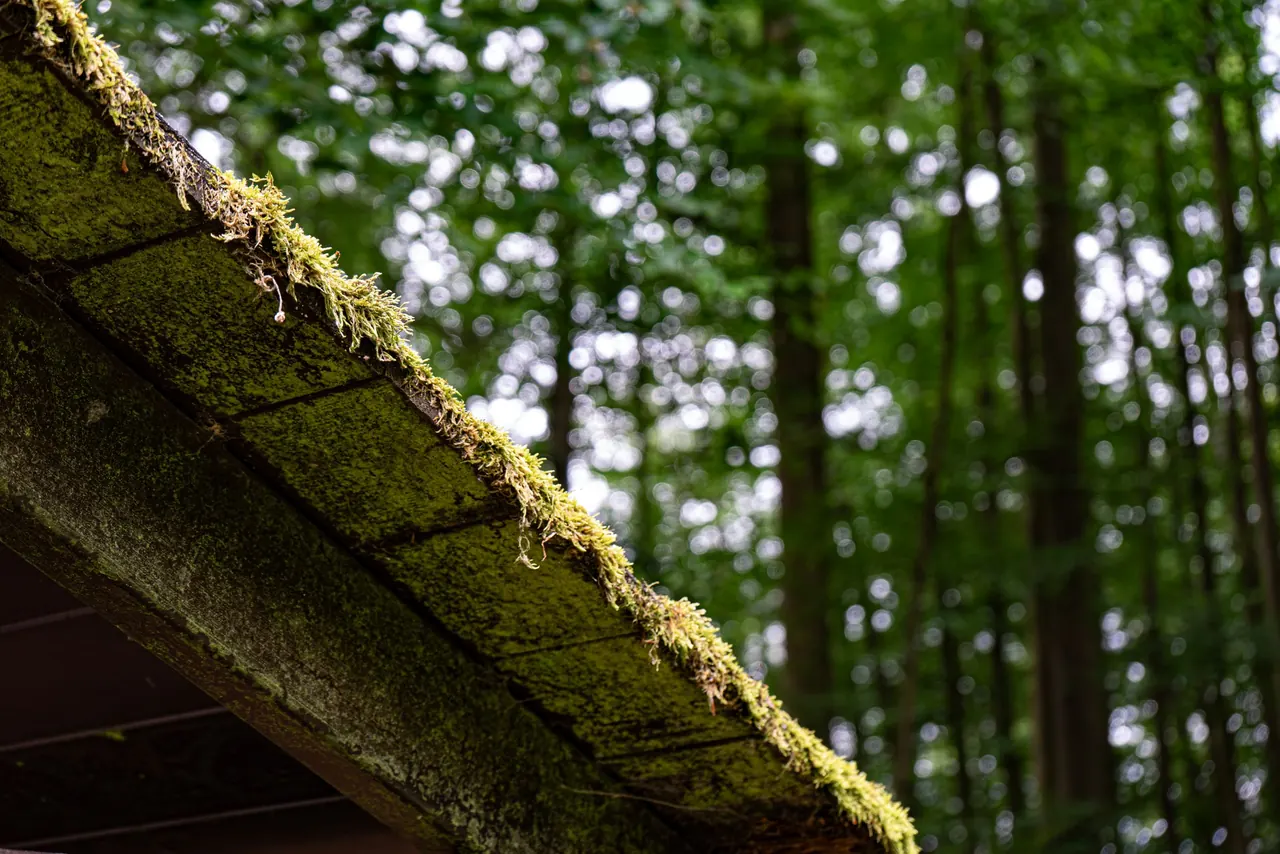
The Charlwood Road and Lifford Street appraisal describes Chelverton Road as having no street trees at all. Gutters there still fill, with moss and grit washed off old slate, silt and wind-blown litter. It builds up more slowly than leaves but packs down hard, especially in the corners of the short bay gutters, and a clean every year or two usually keeps it in check.
Whatever the street, the downpipes are checked before we leave. If we spot a cracked joint or a loose bracket, we tell you, and it can be put right through our gutter repairs in Putney. A gutter that overflows again soon after a clean has a fault, which our blocked gutter repair in Putney deals with. As a guide, MyJobQuote's gutter cleaning guide gives an average of £120 to £180 in London, and a three-storey house tends to sit above that. The main gutter cleaning page has more on how we work.
Frequently asked questions
Can you clean the rear gutters on a Deodar Road house without coming through the house?
That depends on side access, which varies along the road. We ask about it when you book, and a drone photograph beforehand shows how full the back gutters are, so we bring the right equipment and only come through the house if there is no other way.
My house faces Putney Lower Common. Is one clean a year enough?
Usually not. With mature trees along the edge of the Common, an autumn clean often leaves the gutters part full again by spring, when seeds and twigs come down. Twice a year keeps them running.
Is it worth our Chelverton Road neighbours having their gutters cleared at the same time?
Often, yes. On a terrace the gutters meet at each party wall, so silt left in next door's run can work its way back along a gutter that has just been cleared. Booking the neighbouring houses for the same visit avoids that.





