



 Google reviews

Nelson Cottages and the Article 4 Direction
The Nelson Cottages at 15 to 36 Commondale were built in 1862, and Wandsworth's Putney Lower Common appraisal counts them among the earliest surviving buildings in Putney: paired two-storey cottages in yellow stock brick with pitched slate roofs, their eaves broken by dormers. Since 31 May 2000 they have been covered by an Article 4 Direction, which means alterations to roofs that can be seen from the road need planning permission.
In practice, a re-roof on one of these cottages should come back looking as it was: natural slate, the same dormers, the same ridge line. Anything that changes how the roof looks from Commondale needs the council's agreement first. The appraisal describes the terrace as largely unaltered, and keeping it that way is the point of the direction.
Stratford Grove hips and the riverside streets
The same thinking runs through central Putney's other conservation areas. In the Charlwood Road and Lifford Street area, the villa pairs on Stratford Grove were all roofed in natural slate on hipped roofs, and the council's guidance for that area says concrete tiles should be avoided because they are heavier and may affect the roof structure, as well as altering the look. It also describes artificial slate as often more mechanical in appearance than natural. For the riverside streets, the Putney Embankment guidance asks for slate when a roof is renewed and for as many good slates as possible to be kept for reuse.
Flats are the case people miss. Wandsworth's guidance for all three of these conservation areas says flats and houses converted to flats have no permitted development rights, and lists reroofing among the external alterations that will usually need planning permission. So if your building is flats, check with the planners before a start date is fixed, even for a like-for-like re-roof.
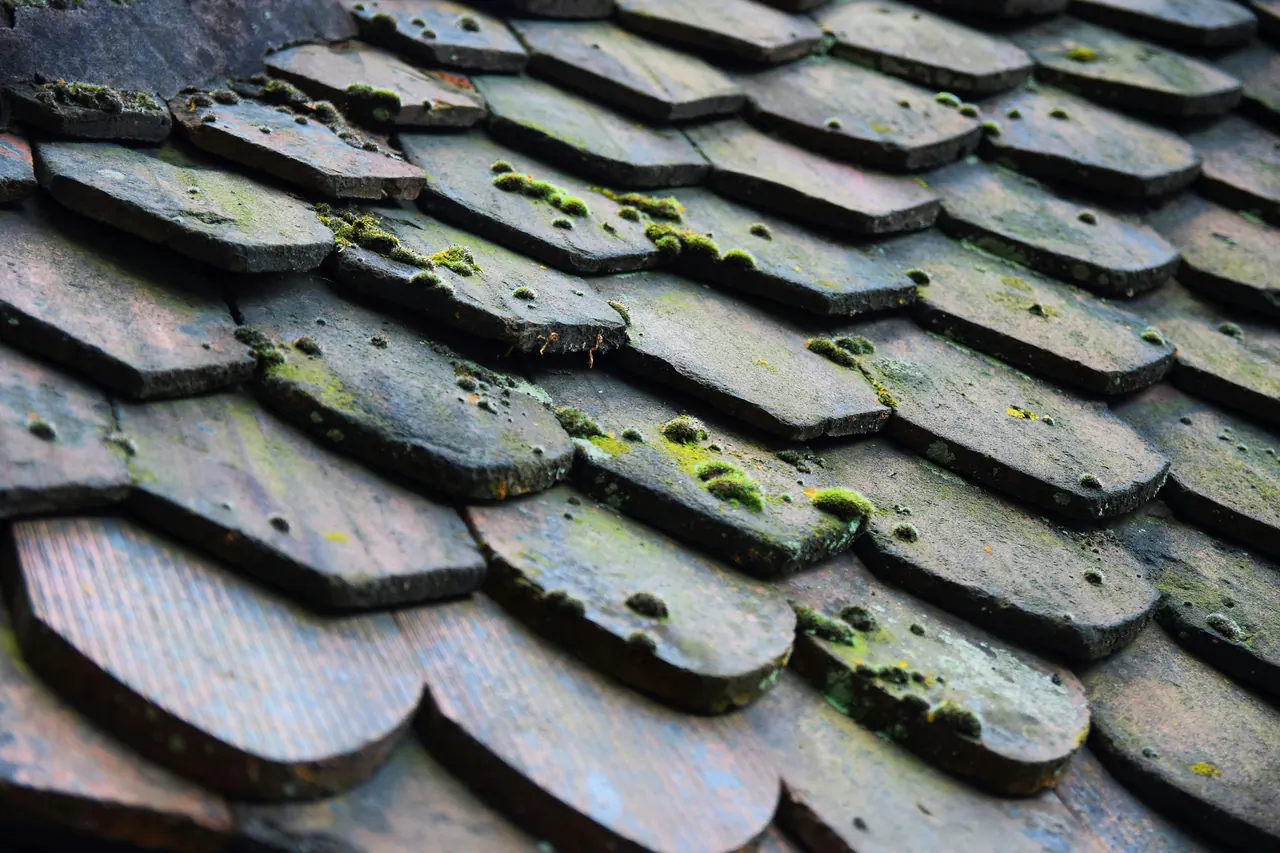
Saving slates on a parapet terrace
A full re-roof makes sense when slates are slipping on every slope and the battens underneath have gone soft. Before then, a single bad valley or a failed parapet gutter can be put right on its own, and we will say so. Our article on repair or full replacement sets out the signs on both sides.
On a terrace like 40 to 56 Lacy Road, where parapet party walls project at roof level and natural slate runs between them, each house's roof is a separate box. The slates come off by hand and the sound ones are stacked for reuse, the battens and old underlay go back to the rafters, and soft timber is replaced. When the slate goes back, the lead along each parapet wall gets as much care as the slopes, because that junction is where water most often finds a way in. Any shortfall is made up with matching new or reclaimed slate.
If the eaves boards are tired, our fascia and soffit work in Putney uses the same scaffold. Stacks are worth sorting at the same time too, since the council expects them to be kept. More on the whole process is on our main roof replacement page.
How long a re-slate takes
MyJobQuote's new roof guide says a small terraced house roof can typically be replaced in 2 to 3 days, and a typical semi-detached or detached home in 3 to 5, with larger or more complex roofs taking longer. A two-storey Commondale cottage sits near the short end of that. A Stratford Grove villa with hips, or a house where the scaffold has to go over a narrow pavement, sits nearer the long end, and every wet day adds one. Stripping by hand to save slates adds a little time, and on a roof the council wants kept in slate it also saves buying new ones.
Frequently asked questions
Does re-slating one of the Nelson Cottages on Commondale need planning permission?
The Article 4 Direction there covers alterations to roofs visible from the road. A like-for-like re-slate that looks the same afterwards is the least likely to cause difficulty, but anything that changes the materials, dormers or ridge needs permission. Ask Wandsworth's planning team before booking the work.
My flat is in a converted villa on Stratford Grove. Who arranges the re-roof?
Usually the freeholder or managing agent, since the roof is shared. We can survey the whole roof, quote for the building and explain the findings to everyone involved, and the freeholder should check the planning position for a converted building first.
Should the stacks on our Charlwood Road villa be dealt with during the re-roof?
Yes. With scaffold already up, repointing, new flaunching and new lead around each stack cost far less than they would as a separate job later. The council's guidance is that chimneys should be kept, so repair is the normal route. Our chimney repairs in Putney page covers the detail.





