



 Google reviews

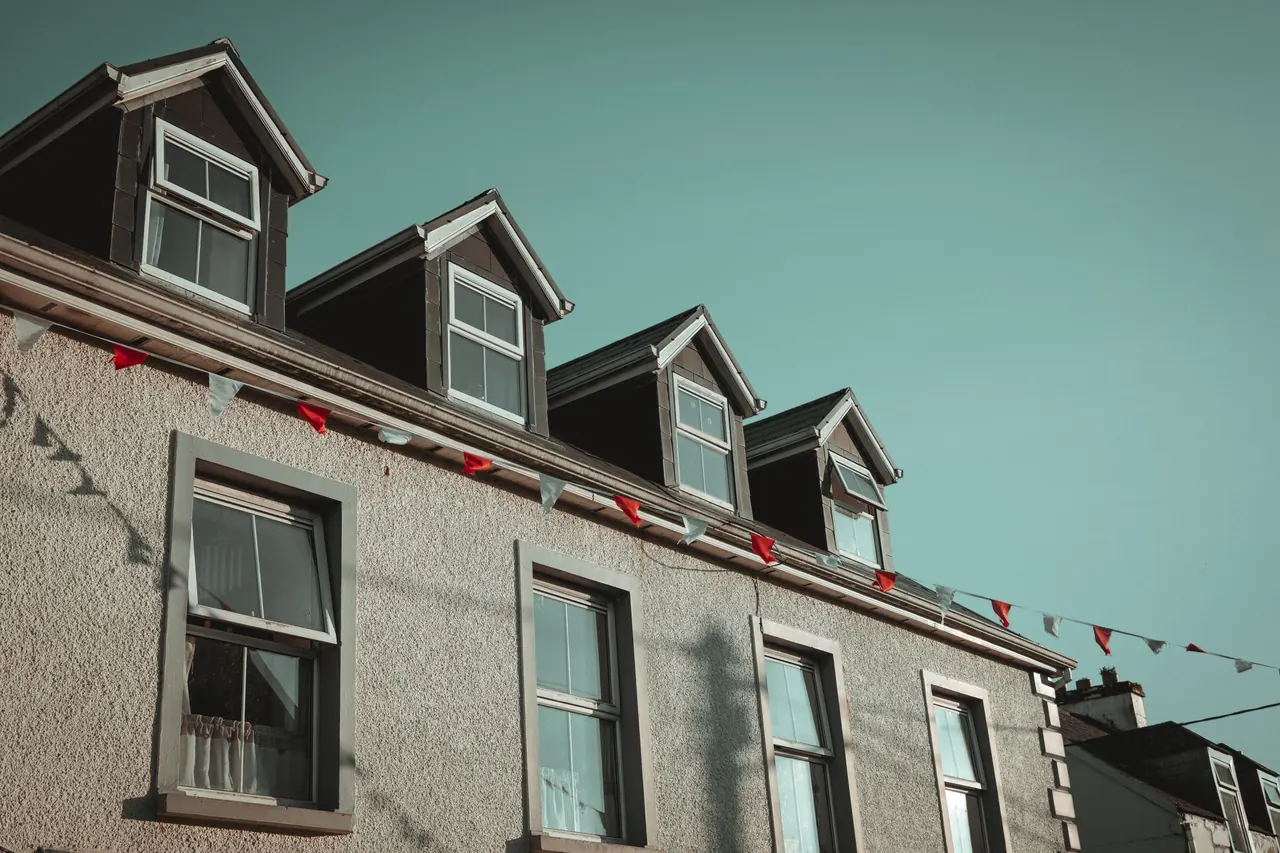
Bracketed eaves on Shaftesbury Park
A fascia on these cottages can look sound from the pavement and be soft right through. The timber at the front has been painted many times over more than a century, and rot tends to start from behind, where a gutter joint has dripped onto the board for years, or at the ends where it meets the party wall.
On Shaftesbury Park the eaves are part of the design. The council's estate appraisal notes that brackets usually support the eaves of the roofs, alongside the bracketed window cills and Gothic porches that repeat along each street. Because every house in a street was built to the same design, a front eaves that has been boxed in with a deep plain board, or lost its brackets, stands out along the whole terrace.
Where the rot is local, the damaged section can often be cut out and replaced on its own, leaving the brackets in place. Where a whole length has gone, we replace it to the same profile so the eaves line still matches next door. The estate's Article 4 Direction covers external alterations to houses, so changing the front eaves to uPVC, or altering the profile, needs to be raised with the council first.
No front fascia on the parapet terraces
On Queenstown Road, the long Park Town terraces end in a parapet wall, so there is no fascia, soffit or eaves gutter on the street side. York Mansions on Prince of Wales Drive is the same, with a parapet broken only by its chimney stacks. On those buildings the front roof edge is a matter of brickwork, coping and lead, and our gutter repair page for Battersea covers the hidden gutter behind it.
That does not mean there is no timber. The rear of these buildings often has ordinary eaves, and they are the boards nobody checks.
Boards on Park Town back additions
Many Park Town back additions sit on the property boundary, so their fascia and gutter often hang over next door's yard or right on the line between the two. These rear boards get very little attention. They are hard to see from inside, the gutter on them takes everything that washes off the main roof, and a leak at a gutter joint there soaks the board for years before anyone notices. Look for paint flaking at the ends, a gutter that has started to drop away from its brackets, or water running down the brick under the eaves. Our article on water leaking behind the gutter explains how a board rots from behind.
Because the board is on the boundary, reaching it may mean working from your neighbour's side, so we talk through access with you before booking. On a flat, the rear eaves may be shared with the flat above or below, so check who is responsible.
uPVC at the back, timber on the conservation fronts
On the backs of houses and flats, where nothing original survives to match, replacing rotten timber with uPVC fascias and ventilated soffits is the low-maintenance choice. Capping old timber with a thin uPVC board only makes sense where the timber underneath is completely sound, and we will not recommend it over rot. On the fronts of the conservation estates, keeping the original timber detail, repaired where needed, is usually the safer answer. The fascia carries the gutter, so the two are often done together, and our gutter installation page covers that side. As a national benchmark, Checkatrade lists replacing fascias and soffits at £90 to £170 per linear metre.
Frequently asked questions
Can the timber eaves on my Shaftesbury Park cottage be replaced with uPVC?
At the back it is less likely to be a problem. At the front, the Article 4 Direction covers external alterations and the bracketed eaves are part of the terrace's character, so talk to Wandsworth's conservation team first. Repairing the timber is often simpler.
The fascia on my Park Town back addition sits on the boundary. How do you reach it?
Usually from your own yard if there is room for safe access. If the only safe way is from next door, we will need your neighbour's agreement first, and we can talk them through what is involved.
My Queenstown Road flat has no fascia at the front. Is there anything to maintain?
At the front, the parapet takes the place of the fascia. At the back there are usually eaves with boards and a gutter, and those are worth checking because they are so rarely seen.





