



 Google reviews

Houses that sit close to the pavement
If something has come off your roof or water is coming in, ring 0330 133 4111. The line is answered at any hour. We will ask what you can see, whether anything has fallen and whether water is getting in. While you wait, keep people away from the stretch of footway below the damage, and do not try to reach it from a ladder in the wind.
On Shaftesbury Park, the council's estate appraisal describes houses that sit close to the pavement, behind front gardens generally too small for significant planting. The Latchmere's oldest streets, south of Burns Road, have only narrow forecourts, and Park Town's front gardens are about a metre deep. On streets laid out like that, there is very little between the front slope of the roof and people walking by.
That changes what counts as an emergency. On a detached house with a long front garden, a cracked pot can wait for a dry day. On Sabine Road or Elsley Road, a loose pot, a section of ridge or a slipped slate above the front door is a hazard to anyone passing. The chimney stacks on these terraces are prominent and often shared between pairs, and when the mortar at the top fails in a gale it is the pots and the top courses of brick that move first.
Shared stacks and the Article 4 estates
On site, the first job is to remove the danger and stop the water. That can mean taking down loose pieces of pot or brickwork that could fall, refixing slipped slates or covering an open section of roof. If the wind is too strong to work safely up there, we make safe what can be reached safely and return for the rest when it drops.
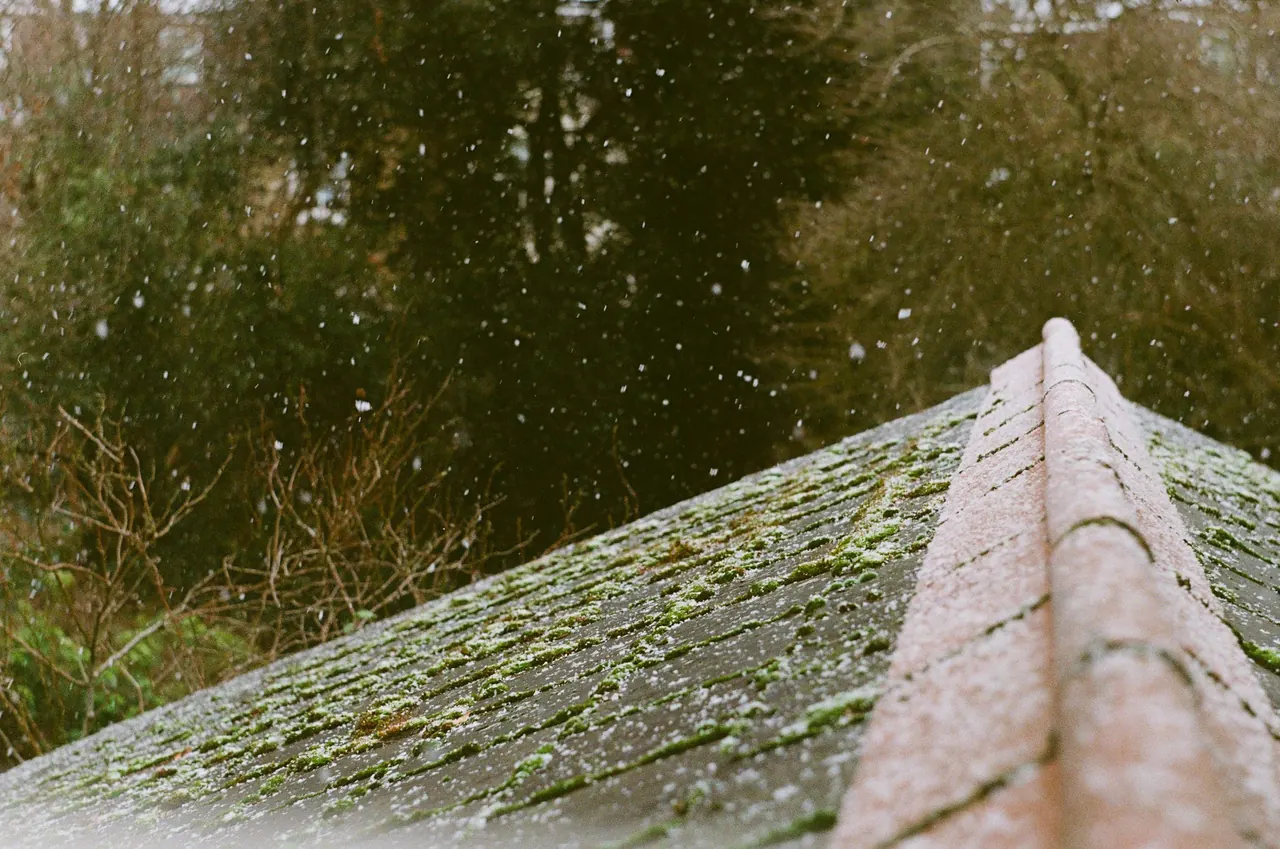
What happens next is shaped by the estates. Shaftesbury Park and the Latchmere both have Article 4 Directions that cover changes to the roof, the Latchmere's ridges are red terracotta, and the council's guidance expects stacks to be kept rather than removed. So emergency work on a stack here is about holding it safely until it can be rebuilt in matching brick and lead, not taking it down for good. On a stack shared with next door, let your neighbour know what has happened as soon as you can, because the permanent repair will usually involve both halves. Our Battersea chimney repairs page covers rebuilding a stack properly.
Water in a Park Town or mansion block flat
On parapet-fronted buildings such as the Queenstown Road terraces, a sudden flood through a top floor ceiling in a downpour often comes from the hidden gutter behind the parapet, which our gutter repair page for Battersea explains. On the five-storey mansion blocks along Prince of Wales Drive, the roof is high, clay-tiled and usually the freeholder's responsibility.
In both cases, tell your neighbours upstairs or downstairs and the managing agent as well as us, because water in one flat often ends up in the next. Move what you can away from the drip, put a bucket under it, and take photos for the managing agent and your insurer.
Once the weather settles, it is worth checking the rest of the roof. Our guide to spotting roof damage after a storm lists what to look for from the ground, and a drone flight shows any other loose slates or tiles without anyone going up.
Frequently asked questions
A piece of chimney pot has landed on the pavement outside my Elsley Road house. What should I do?
Keep people clear of that part of the footway and call us. The rest of the pot or the flaunching around it may be loose too. If your house is one of the listed terraces, let the council's conservation team know about the emergency work as soon as you can afterwards.
Rain is coming into my top floor flat on Prince of Wales Drive. Who should I call first?
The managing agent, because the roof of the block is usually the freeholder's. If you cannot reach them and water is coming in, call us as well and we will talk through what can safely be done from your side while the freeholder is contacted.
A ridge tile has come off my Latchmere roof. Is that urgent?
If it fell towards the street or has left a gap along the ridge, yes. The rest of that ridge may be loose, and rain can get in under the open joint. The gap is made safe first, and the permanent fix is a matching red terracotta ridge.





