



 Google reviews

Above the Garratt Lane pavement
If you can see a slate, a chimney pot or a length of gutter hanging loose above a pavement, keep people away from the area below it and ring 0330 133 4111. We answer that line at any hour. The first job on site is to take down or secure whatever is loose, and only then deal with the leak.
Shops and houses grew up around Earlsfield station, and Wandsworth's 2021 Urban Design Study notes that buildings along main roads rise above the usual two storeys. On those frontages the roof, the gutter and the stack sit straight over a pavement that is rarely empty, and a slate that slides out in a gale lands where people are walking.
Where a shop has a flat above it, the person who sees the damage is often not the person responsible for the roof. Whoever calls us, the roof is made safe first, and afterwards we explain what we found to the occupier and to the owner or managing agent.
Fieldview, facing the playing fields
East of Garratt Lane the ground climbs. The Magdalen Park appraisal describes the playing fields falling away from Fieldview, with views across the Wandle Valley to the Wimbledon Ridge some two miles off. With open ground in front of them, the houses along Fieldview are more exposed than most Earlsfield streets.
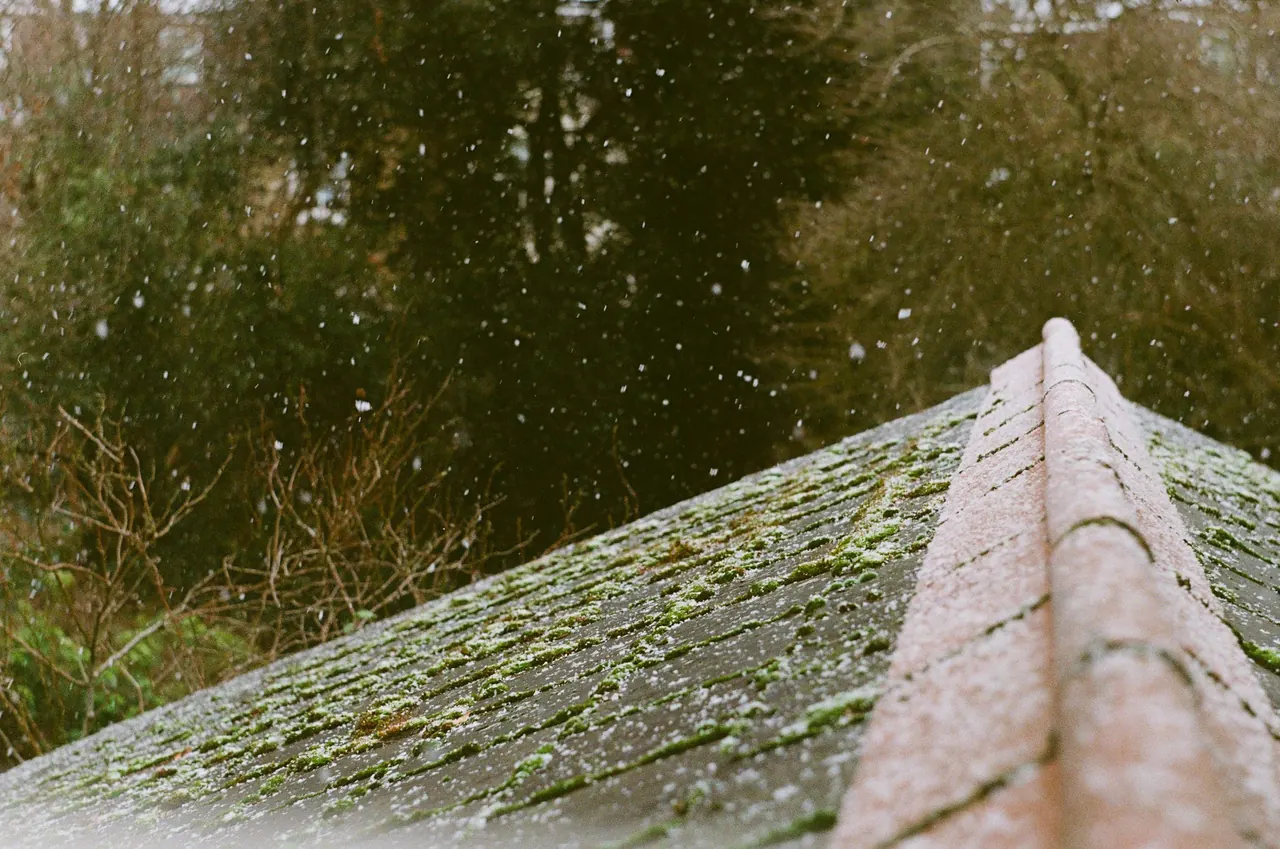
Their roofs are hipped plain clay tile. In high wind the tiles that go first are usually at the hips and eaves, where wind gets underneath, and a lifted hip tile can let water straight into the top flat. Each Fieldview building holds two flats, so water that gets in upstairs can reach the ceiling below within hours. If that is happening, tell the downstairs neighbour as well as us.
Victorian stacks north of the station
On the terraces of Swaffield Road and Brocklebank Road, the main stacks sit on the party wall between two houses. A pot that has worked loose in its flaunching, or a stack leaning after years of soft mortar, is the most serious thing a storm can do to these roofs, because a falling pot can hurt someone in the garden or on the path. Inside, the more common emergency is water through a back bedroom ceiling from a valley over the rear addition that has blocked or split.
Making safe depends on what has gone. It can mean refixing lifted slates or tiles, clearing a blocked valley that is backing water into the loft, removing a cracked pot, or sheeting a damaged slope until it can be rebuilt. Sometimes the permanent repair can be done on the same visit. In driving rain or strong wind a temporary fix holds until the weather allows a proper one, and our Earlsfield roof repair service picks up the permanent work. If a stack was the cause, chimney repairs in Earlsfield cover the rebuild.
Photos for the insurer
While you wait, move valuables away from the drip, catch what you can, keep clear of wet light fittings, and stay off ladders. Photograph the damage inside and, from the ground, outside. Home insurance generally covers sudden storm damage rather than gradual wear, so tell your insurer early. Photos taken before and during the repair, and a clear description of what was done, help support a claim. Once things are dry, our guide to spotting storm damage from the ground lists what to check on the rest of the house.
Frequently asked questions
A chimney pot on my Swaffield Road stack is leaning after the wind. What should I do first?
Keep everyone out of the garden, path or pavement beneath it, and call us. A pot leaning over your own roof and not moving can usually wait for daylight. One leaning over a path or a neighbour's garden should not.
Wind has lifted hip tiles on the Fieldview side facing the playing fields. What can be done before daylight?
Where it is safe to work, a lifted hip can be secured or sheeted so rain cannot get in, and rebedded properly in matching clay tiles once the weather allows. If the wind makes working on the roof unsafe, we say so, and the roof work waits until it is safe.
Water is coming through the ceiling of the shop below my Garratt Lane flat. Who should I call?
Call us about the roof, and tell the shop and your landlord or managing agent straight away, because they may be responsible for the roof and for the insurance claim. We make the roof safe and give each of them the same account of what we found.





