



 Google reviews

The gutter behind the Queenstown Road parapets
The first sign is usually a damp patch high on the front wall of the top floor flat, or a stain that spreads along the ceiling line after heavy rain. From the street, nothing looks wrong, because there is no eaves gutter to see. On these buildings the front of the roof drains into a gutter that runs along the inside of the parapet wall, lined with lead or felt, which then empties through an outlet in the wall to a hopper and downpipe, or across to the rear.
Queenstown Road is lined by two long Park Town terraces, numbers 43 to 129 and 36 to 100. The council's Park Town appraisal describes them as pairs of buildings, with shops along parts of both runs, finished at roof level with a brick parapet that conceals the roof. Every part of that drainage can fail out of sight:
- the lining splits at a joint or where it has been walked on, and water gets under it into the wall head
- moss and grit silt the gutter up, so it holds water deeper than the lining was laid for
- the outlet through the parapet chokes, and the gutter fills like a bath
- the lead flashing along the back of the parapet comes away, and rain runs straight down inside the wall
Repairs on a building split between flats and a shop
Many of these buildings are shared by two or more flats, some with a shop below, so everyone needs to agree what is being fixed and who is paying. A drone flight over the roof lets you and your neighbours see the gutter, the outlet and the lead in photos before anyone climbs up. Then we get onto the roof where it is safe to do so and repair what failed: re-dressing or patching the lining, clearing and re-forming the outlet, renewing the flashing along the parapet, or replacing a cracked hopper or downpipe below it. Where shops trade below, access is planned around them. If the lining has failed along most of its length, we will say so and quote for relining instead of a patch.
Slipped slates and lead faults on the slopes above the gutter are covered on our roof repair page for Battersea.
Cast iron on the Shaftesbury Park eaves
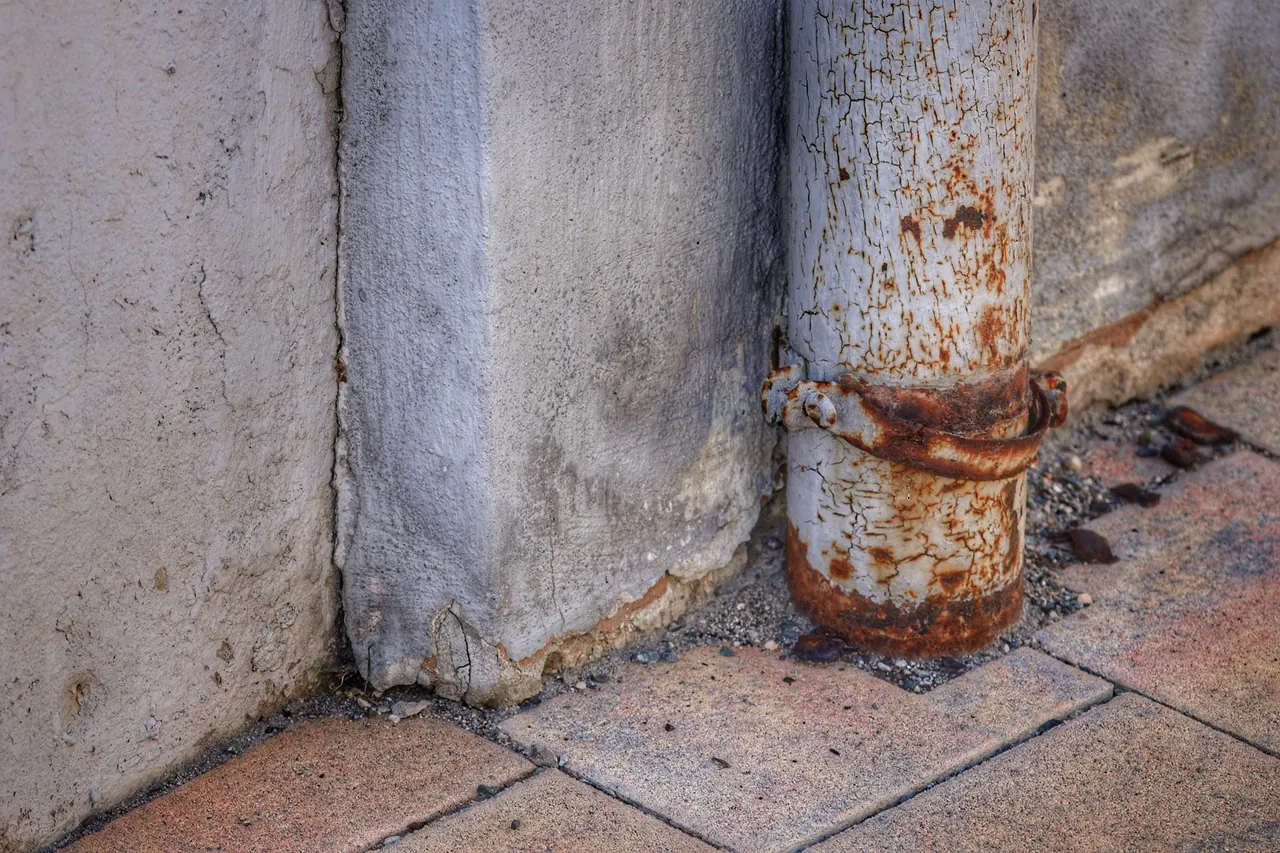
Away from the parapets, most older Battersea houses have an ordinary eaves gutter, and on Shaftesbury Park the council records it as black-painted cast iron. Cast iron lasts if it is painted, but the joints between lengths rust and open, the bolts seize, and the brackets corrode until a run drops out of line. A joint that weeps every time it rains will, over a few winters, stain the stock brick below it green.
On these houses the repair is usually to re-seal a joint, replace a corroded bracket, or swap a cracked length for a matching one, keeping cast iron on the front where the estate guidance prefers it. If a run has been patched over and over, our gutter installation page covers replacing it, and the main gutter repairs page explains each repair. Our article on water leaking behind a gutter covers the drip that runs down the wall instead. As a national benchmark, MyJobQuote's 2026 guide puts an average gutter repair at around £215.
Frequently asked questions
There is a damp patch on my top floor ceiling on Queenstown Road. Could it be the gutter?
Quite possibly. On the parapet terraces a blocked or split gutter behind the parapet, or a choked outlet through it, is a common cause of damp in the top rooms. A drone flight shows it without anyone climbing up first.
Can a parapet gutter lining on a Park Town terrace be repaired without stripping the roof?
Often. A split joint or a lifted section of lead can usually be repaired from the gutter itself. If the lining has worn out along the whole run, relining it means lifting the bottom course of slates, which is a bigger job and we would price it separately.
The cast iron downpipe on my Silverthorne Road flat is cracked down the back. Can one length be replaced?
Yes. Cast iron downpipes often crack on the side facing the wall, where the paint never reached. We replace the cracked length with a matching one and check the joints and brackets above and below it.





