



 Google reviews

Rear eaves under the West Hill Road garden trees
On the West Hill Road estate, the council's appraisal describes the rear gardens as ringed by mature trees, open enough that you can see into them from the street. The villas there are three or four storeys, so the rear gutter is a long way up and rarely looked at. Each autumn it fills with leaves and seed cases, overflows in the next heavy rain, and the water runs down the back of the gutter onto the fascia behind it.
Painted timber at the edge of a roof lasts well when it is kept dry. Kept wet from behind for a few winters, it softens at the gutter brackets first, then along the bottom edge, and the soffit below starts to stain and sag. By the time anyone notices from the garden, the rot has often reached the ends of the rafters. Keeping those rear gutters clear, as our gutter cleaning page for Wandsworth explains, is the cheapest way to protect the boards.
The front of the same house can look perfect, because the front gutter is seen and dealt with when it overflows. That is why a survey of the roofline here starts at the back.
Parapet fronts on the High Street and at Prospect Cottages
Not every house in Wandsworth has a fascia at the front. The Wandsworth Town Conservation Area appraisal records a flat parapet hiding the roofs of Prospect Cottages, off Putney Bridge Road, and some High Street buildings finish their fronts with a parapet too. On those, the front gutter sits behind the wall and there is no front board to replace.
The roofline timber on these buildings is at the back: on the rear wing, the rear eaves of the main roof or a dormer. Those boards get even less attention than the ones on a villa, because they are often only visible from a neighbour's garden or a service yard, so they are worth checking whenever other roof work is under way.
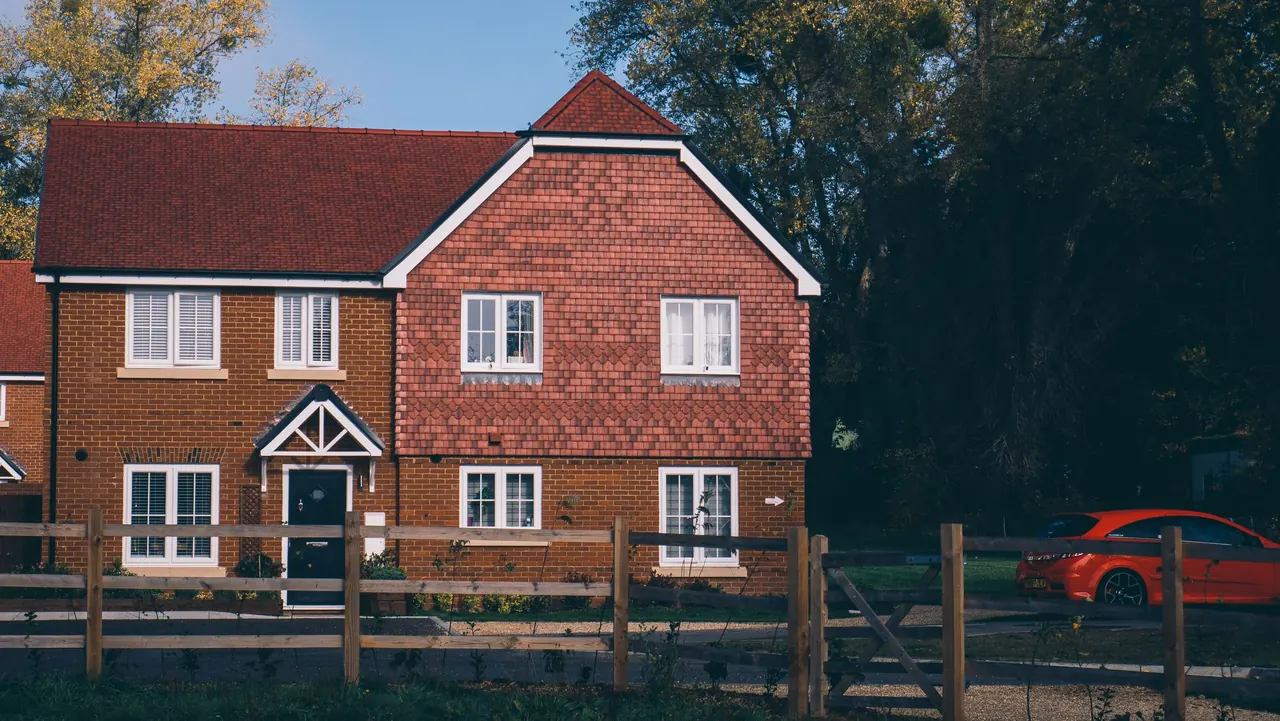
Gothic and Queen Anne houses among the villas
The West Hill Road Conservation Area mixes slate-roofed Regency villas of the 1850s and 1860s with later groups of red brick houses, which the appraisal describes as Ruskin-inspired Gothic or Queen Anne in style, often with terracotta or stone detailing. On houses with this much original detail, any timber left at the front eaves is best renewed in timber to the same profile rather than replaced with something plainer.
Timber at the front, uPVC at the back
If only a short length of board is rotten, that section is cut out and replaced. Where rot runs along most of a board, or the gutters are being renewed anyway, replacing the full run makes more sense. Capping old timber with a thin uPVC cover is cheaper, but only sensible where the wood underneath is completely sound, so it is checked before anyone recommends it.
On the back of a villa, or on the interwar houses on Seymour Road, uPVC fascias and ventilated soffits are a practical, low-maintenance choice. On a listed building, check with the council before changing the material. If the gutters are past saving as well, our Wandsworth gutter installation page covers new ones. For a national benchmark, Checkatrade's fascia and soffit guide gives £90 to £170 per linear metre for replacement. The main fascias and soffits page has more detail.
Frequently asked questions
Our High Street flat sits behind a front parapet. Is there any fascia to replace?
Probably not at the front. Check the rear wing and the back of the main roof, where there are usually fascias and soffits carrying the rear gutters.
Should the timber eaves on a Regency villa off Merton Road be swapped for uPVC?
On the front, repairing or renewing the timber like for like is usually the better choice, since it is part of the house's character. At the back, uPVC is a reasonable choice if you want less upkeep.
Why has the fascia behind the rear gutter of our Melrose Road house rotted when the front is fine?
Usually because the rear gutter has been overflowing unseen under the garden trees. Fix the gutter and the new board will last; replace only the board and it will rot again.





