



 Google reviews

Big stacks on the West Hill Road estate
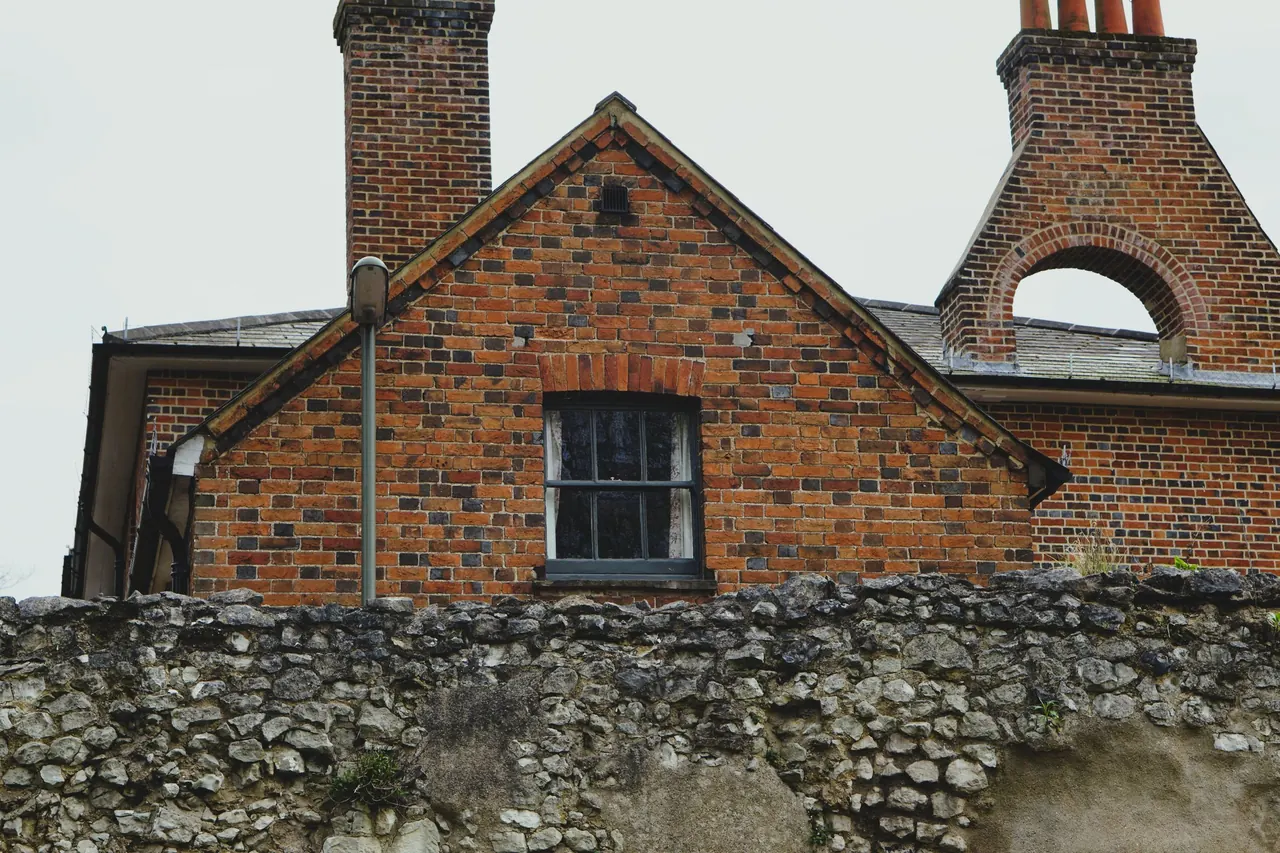
The West Hill Road estate was built from the 1850s onwards as detached and semi-detached villas for a growing middle class. The houses are large, three or four storeys, many in stock or gault brick under slate, with later red brick Gothic and Queen Anne houses. Houses of that size and age were heated by open fires, so their stacks tend to be large and carry several pots.
Height is the main thing that wears them. A stack on a four-storey villa catches the wind and rain on every face, and the mortar on the weather side breaks down first. Once the joints open, the brickwork soaks up water and passes it down into the house, often showing as a stain on a top-floor chimney breast or in the loft around the base of the stack.
Where a flue no longer serves a fire, leaving it open lets rain straight down the stack, while sealing it tight with no ventilation can trap damp inside the breast, so a ventilated cap is usually the better answer on a stack that is staying.
Lead, pointing and pots on a four-storey stack
- Lead at the base. Flashings and soakers that have lifted, split or been covered in mastic are refitted or renewed, with the lead wedged and pointed into the brick joints.
- Pointing. Crumbling joints are raked out and repointed in a mortar that suits the old brick.
- Flaunching. The mortar bed holding the pots on top is renewed where it has cracked, so the pots are secure and water runs off.
- Pots and cowls. Loose pots are reset, and disused flues are fitted with a ventilated cap or cowl to keep rain and birds out.
As a guide, MyJobQuote puts a patch repair to chimney flashing at £150 to £250 and replacing all the leadwork at £350 to £460, both before any scaffold. On a villa this tall, the scaffold is often a large share of the total.
Repair or alteration on a converted villa?
Where a villa has been split into flats, the council's strategy for the conservation area lists altering chimneys among the works that need planning permission. A like-for-like repair is not an alteration, so repointing, new flaunching or renewed lead normally goes ahead as usual. Taking a stack down, lowering it or changing how it looks is the part to clear with the council first, and our Wandsworth roof replacement page explains the wider planning position for flats.
Looking before the scaffold goes up
On a four-storey villa, nobody wants to pay for scaffold just to find out whether a stack needs work. Where we can, we look first from the loft and from any windows or flat roofs that give a view, and the stack can be photographed by drone once London Heliport has cleared the flight. If the slopes around the stack also need attention, our Wandsworth roof repair page explains that work, and our guide to chimney flashing problems shows the faults we look for. The main chimney repairs page covers the service in full.
Frequently asked questions
Our house on Merton Road has been split into flats. Can the stack be repaired without planning permission?
A like-for-like repair, such as repointing or new lead, normally can. Taking the stack down or changing its height or appearance is an alteration, which the council lists as needing permission on converted houses there.
Why does the lead around the stack on our West Hill Road villa keep lifting?
Usually because it was held in with mastic rather than wedged into the brick joints, or because the pointing it sits in has failed. The fix is to wedge new lead into sound, freshly pointed joints.
Does a stack on a four-storey villa always need scaffolding?
For most work on the stack itself, yes. A look from inside and, with heliport clearance, by drone comes first, so you know what needs doing before the scaffold is booked.





