



 Google reviews

Crumbling tops on St James's Drive
Bits of pale brick and old mortar in the gutter, or a pot that looks as if it is leaning, are usually the first signs that a stack near St James's Drive needs attention. The top few courses take the most weather, because they are wet on all four sides in a storm and frozen on all four sides on a cold night, and gault and yellow stock bricks are softer than modern ones.
The St James's sub-area lies in the south-east part of the conservation area, between the Common, St James's Drive and Trinity Road. Wandsworth Council's appraisal describes St James's Drive as a mix of two and three storey houses, mainly in yellow stock and gault brick, and picks out a detached Gothic style house in gault brick for its dominant chimneys. Nottingham Road and Althorp Road have early to mid Victorian yellow stock brick houses, and the west end of Balham Park Road has detached late Victorian gault brick villas, double fronted and originally roofed in natural slate.
Where the top courses are loose or badly eroded, we take them down and rebuild them, reusing sound bricks so the stack keeps its colour, then repoint the rest. New flaunching goes round the pots, and pots that are sound are reset rather than replaced.
Oversailing courses on Wandle Road's listed stacks
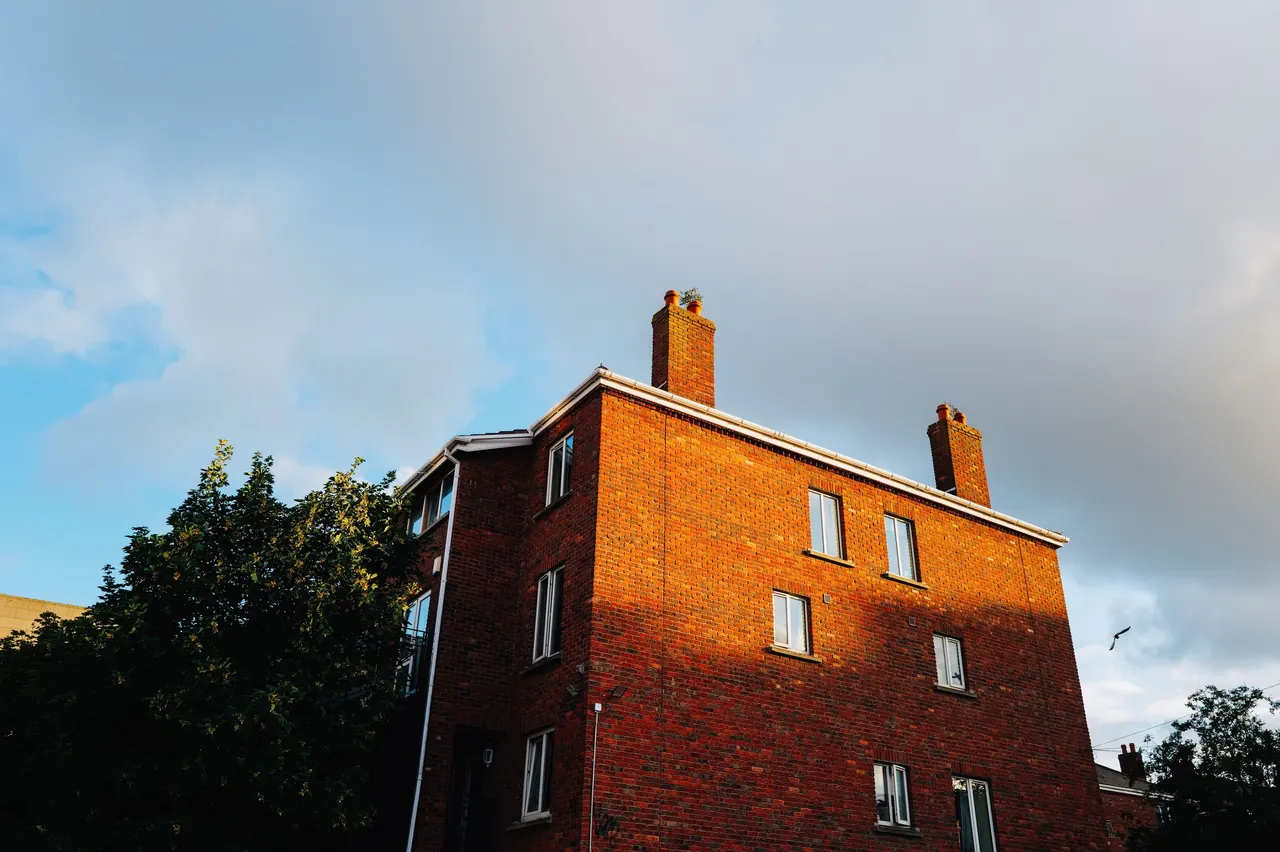
On Wandle Road, number 26 is a Grade II listed yellow stock house whose end stacks have oversailing courses, the projecting bands of brick near the top that throw rain clear of the face below. Their top edges catch water and frost, so the mortar there is often the first to fail, and leaving it lets water into the core of the stack.
On a listed building, listed building consent is needed for works that affect its character. Like-for-like repairs, in matching brick and a suitable mortar with the oversailing courses kept, are often fine, but check with Wandsworth Council before anything beyond that. Elsewhere in the conservation area, taking down or visibly altering a stack can need permission, while repairs that keep it as it is do not raise that question.
Lead, mortar and the slate around the stack
At the bottom of the stack, the lead flashings and soakers where it meets the slates lift and split over time. That is the most common route for water into the room below, and on a slate roof it can be hard to tell from a slipped slate next to the stack. We renew flashings and soakers dressed to the slate, rake out and repoint failed joints with a mortar chosen to suit the brick, and fit a cowl where a flue is no longer used so it stays dry and ventilated. If the cause turns out to be the roof covering, our slate roof repairs on the Common deal with it at the same visit.
Before we quote, we can look at the stack with a drone, so you see the pots, flaunching and lead without paying for scaffolding first. For a sense of cost, MyJobQuote's chimney flashing figures put a patch repair to the lead at about £150 to £250, without scaffolding. Our chimney maintenance guide lists what to keep an eye on each year, and the chimney repairs service page covers the full service.
Frequently asked questions
The top of the stack on our gault brick house on St James's Drive is crumbling. Does it have to come down?
Usually not. If the lower part is sound, we take down the loose top courses, rebuild them reusing sound bricks, and repoint the rest. Taking a stack down altogether is a bigger job and, in the conservation area, may need permission.
Our house on Wandle Road is listed. Do chimney repairs need consent?
Listed building consent is needed for works that affect the character of a listed building. Like-for-like repairs are often fine, but check with Wandsworth Council before anything beyond that. We keep the stack, pots and brick detail as they are.
Can you check the flashing on a detached gault villa on Balham Park Road without scaffolding?
Yes, a drone look shows the lead and flaunching clearly. Small repairs can often be done from roof ladders, while full re-leading on a tall stack usually needs scaffold around the chimney.





