



 Google reviews

The gables of Gatwick, Hambledon and Wincanton Roads
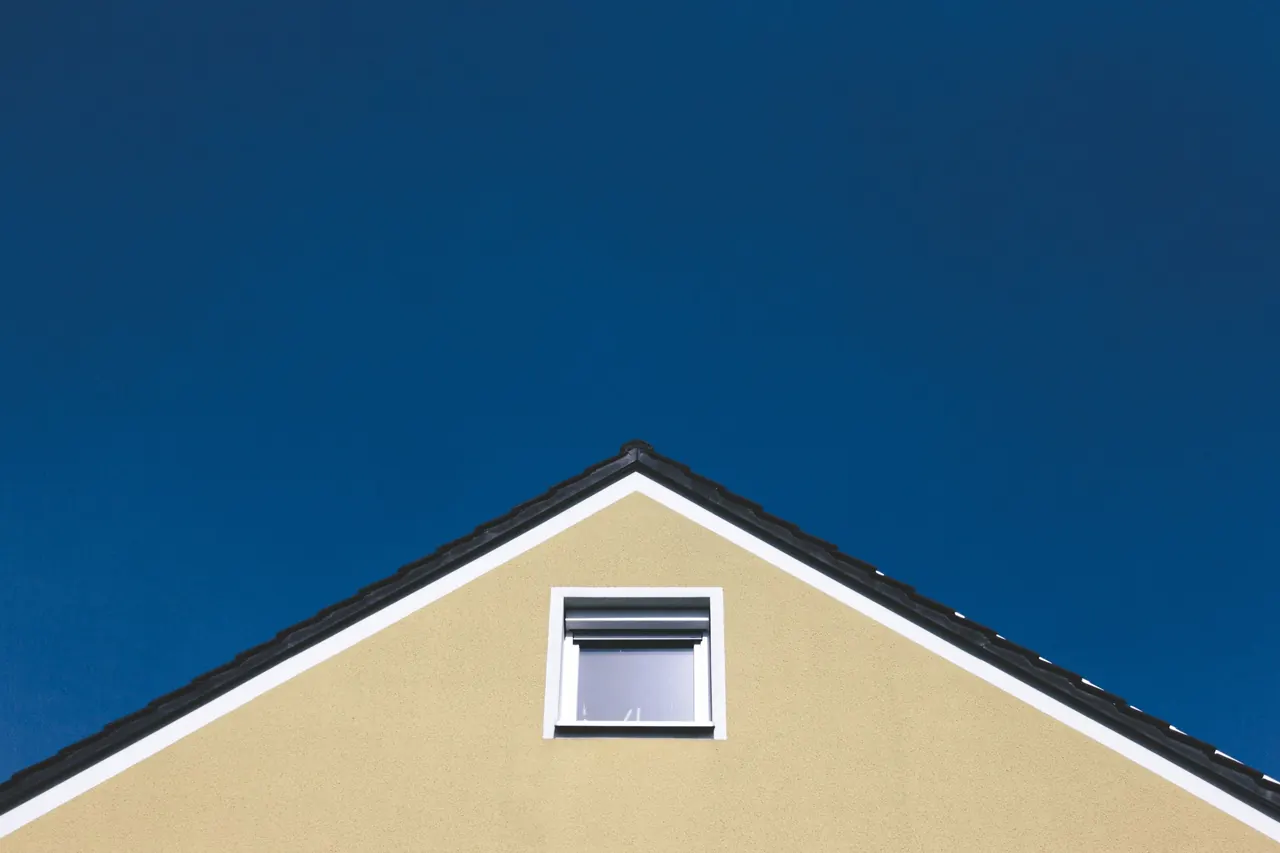
The Wimbledon Park Road conservation area appraisal describes every house on the estate as having a prominent gabled front, and says the bold rhythm of gables and the rich details make the terraces a lively composition. On Wincanton Road the houses are staggered to follow the curve of the street, which shows off the gables even more.
On a gable-fronted house, the sloping edges of each gable are finished either with timber bargeboards or a tiled verge, and the short eaves on either side carry the fascia and the gutter. Whichever your house has is part of that rhythm. A gable where the old timber has been swapped for a plain white plastic board stands out from the rest of the terrace, and the same appraisal says alterations to fronts and roofs detract from the estate.
So on these streets, the starting point is repair. A split or rotten bargeboard can often be repaired, or replaced in timber to the same profile and fixed back to sound gable timbers. Fascias behind the gutters get the same treatment. Where a board has to be renewed in full, we match the section and the moulding so it lines up with next door's.
Hipped eaves around Sutherland Grove
The 1920s and 1930s houses on Sutherland Grove, Girdwood Road, Skeena Hill and Coombemartin Road have hipped roofs, almost without exception according to the council's appraisal. A hipped roof has no gables. Instead, the fascia and soffit run right round the house, turning a corner at every hip.
Those corners are where the timber goes first. Water from the hip and the gutter corner above it collects at the joint in the boards, and the end grain soaks it up. A gutter corner that keeps overflowing makes it worse, and our blocked gutter repair page explains how to stop that at the source. A house can have sound fascias along every straight run and rot at all four corners. Repair means cutting out the rotten corner pieces, checking the rafter ends behind them, and fitting new sections jointed properly to the sound board either side.
Where most of the eaves timber has gone soft, a full replacement is the better job. In uPVC, replacement boards come in white, black, grey and woodgrain, with ventilated soffits to keep air moving through the loft. Capping, a thin uPVC board fixed over the old timber, only works where every metre underneath is sound, and on hipped corners that is rarely the case.
Waney edge boards on Victoria Drive gables
In the Victoria Drive conservation area, the interwar houses use a small set of decorative finishes on their gables: tile hanging, half timbering, rough cast and what the appraisal calls waney edge boarding, timber boards left with a rough natural edge. These boards sit high on the gable, right under the roof, and take the weather that runs off the verge above.
When they rot, the right replacement is timber with the same rough edge, not a flat manufactured board. The fascias and soffits on these big roofs are long, and with steep hips and valleys there is plenty of eaves timber to check. Because the fascia carries the gutter, renewing the boards is the moment to look at the gutters too; see gutter installation in Southfields.
As a guide to the bigger job, Checkatrade gives £2,000 to £3,000 for new uPVC fascias, soffits and guttering on a small semi, excluding scaffolding. Repairs to a single gable or corner cost far less. The main fascias and soffits page compares repair, replacement and capping in detail.
Frequently asked questions
Can the bargeboards on my Wincanton Road gable be replaced in timber?
Yes. The new board follows the profile of the old one, or of a matching gable along the terrace if yours has gone too far, so the run of gables still lines up.
The soffit corners on my Coombemartin Road house have rotted. Do all the boards need replacing?
Not always. If the straight runs are sound, cutting out and renewing the corners, and the rafter ends behind them if needed, is often enough. We check every metre before suggesting the bigger job.
What are waney edge boards, and can they be replaced?
They are timber boards with a rough, natural edge, used on many Victoria Drive gables. They can be replaced like for like in timber, which is what the conservation area guidance expects on the front of the house.





