



 Google reviews

What a storm does to a hipped roof
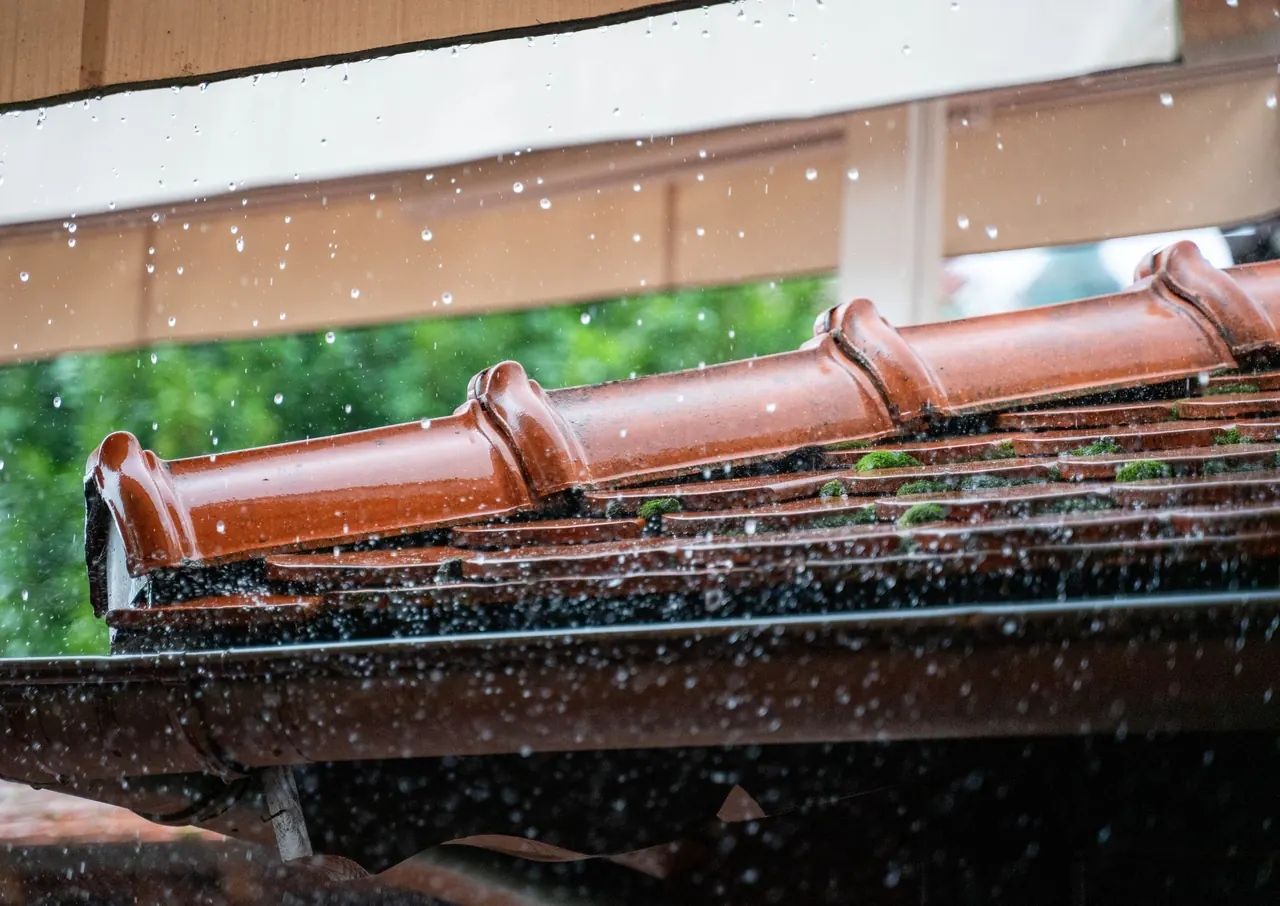
The parts of a West Barnes roof that move first in high wind are the ones held by old mortar. Hip tiles run down each corner of a hipped roof and the ridge tiles along the top, all bedded in mortar that may be ninety years old. Once that bedding cracks, a strong gust can lift a tile clean off, and the bottom tile of each hip, held only by a hip iron if one was ever fitted, is often the first to go.
A few houses have less shelter than the rest. Off Marina Avenue, roughly 13 hectares of the Sir Joseph Hood Memorial Playing Fields run out towards the Beverley Brook, and the houses that look straight over them have little to break a gale before it reaches the roof. For most of the area, terraces and semis on all sides take the edge off the wind.
Making safe on a house like this usually means one of a few things. Loose hip and ridge tiles are taken down or refixed before they fall. Slipped tiles are replaced, or the gap is covered for now. A leaking bay or dormer edge is sealed temporarily, and a damaged party-wall stack is made safe so nothing drops into the garden or onto next door's roof.
Cloudbursts on low ground
West Barnes is Merton's Critical Drainage Area 001, and short, violent storms are the ones that cause trouble here. On 12 July 2021, more than a month's rain fell in one hour across much of west London. In rain like that, a roof that has coped for years can suddenly leak: a gutter overflows, a bay gutter backs up over its flashing, or water finds the gap at the edge of a loft dormer.
These leaks often stop when the rain stops and come back with the next storm, which makes them easy to put off. A temporary fix gets you through the night, but the cause still needs finding. After that, the permanent work is normally a roof repair on the hips, bay or dormer. If the storm has pulled a gutter off at a hip corner, see our gutter repair page for West Barnes.
Before anyone gets there
- Call now: water coming through a ceiling or down an inside wall, part of the roof open to the sky, a branch through the tiles, or hip tiles, ridge tiles or bits of chimney hanging over a path.
- Book a normal visit: one tile missing with the loft dry, a crack spotted on a dry day, or a gutter that has started dripping at a joint.
Keep clear of the ground below any loose hip. A hip tile that lets go slides off the bottom corner of the roof onto the path or side passage beneath, so use another door if you can until the hip is down or refixed. Inside, put a bucket under the drip and move anything you care about out of the way. Our article on spotting roof damage after a storm lists what to look for from the ground once the weather has passed, and the main emergency roof repair page explains the process.
You can reach us on 0330 133 4111.
Frequently asked questions
Hip tiles blew off our house facing the Sir Joseph Hood Memorial Playing Fields. Is the roof still watertight?
Possibly not. Under each hip tile is a gap where two slopes meet, and with the tile gone, rain can run straight in. If the loft is dry for now, it can wait for daylight, but have the hip covered or rebedded before the next rain.
Water came in round our loft dormer in a cloudburst, then stopped. What now?
Get it looked at before the next heavy storm. Leaks that appear only in very heavy rain on a converted West Barnes roof often come from the dormer's edge trim, an overflowing gutter or a bay gutter rather than a broken tile, and they tend to come back each time.
The storm lifted tiles on our half of a semi and on next door's. Can both be made safe?
Yes, if your neighbour asks for theirs to be done too. Each owner decides about their own roof. If you only want your half made safe, you will still be told what was seen on theirs, so they can deal with it before it reaches your loft.
Once the roof is safe, how is the permanent repair priced?
With a free quote after the roof has been looked at properly in daylight, often on the same day. Nothing beyond the making-safe is done until you have agreed it.





