



 Google reviews

Flats above the Coombe Lane and Kingston Road shops
Raynes Park's town centre is split by the railway. Coombe Lane, on the north side, is the main shopping street, and Merton's Raynes Park character study describes the buildings facing the station as mostly Edwardian, two to five storeys, with shops below and flats or offices above, and a run of moulded cornices and raised parapets along the top. Kingston Road, on the other side of the tracks, has purpose-built parades nearer the station with front gables, some mansard roofs and dormers, and turrets at the ends of the blocks.
Each of those features fails in its own way. A raised parapet hides the roof behind it, which is often flat or shallow and drains through one or two outlets. Leaves and silt block an outlet, a storm drops an inch of rain, and the water rises behind the parapet until it finds a way in, usually through the ceiling of the top flat. A mansard slope or a turret roof is steep and high, so a slate that lets go there falls a long way onto a busy pavement.
When you ring, we ask where the water is, whether anything could fall into the street and what you can see from inside. That tells us what to bring. On a parade, access is often the first problem, so knowing whether there is a hatch, a fire escape or a back yard saves time on arrival.
Under the Pendarves Road beeches and Dunmore Road limes
North of the railway, the threat in a gale is mostly from trees. Merton's appraisal of the Lambton Road conservation area records seven substantial beeches in the pavement of Pendarves Road, and the Dunmore Road assessment describes lime and plane trees on both sides of a road with very shallow front gardens. The Dunmore Road trees are heavily pollarded, which keeps them in check, but a heavy limb from any of them can still crack slates, break a ridge or split the top of a rear dormer.
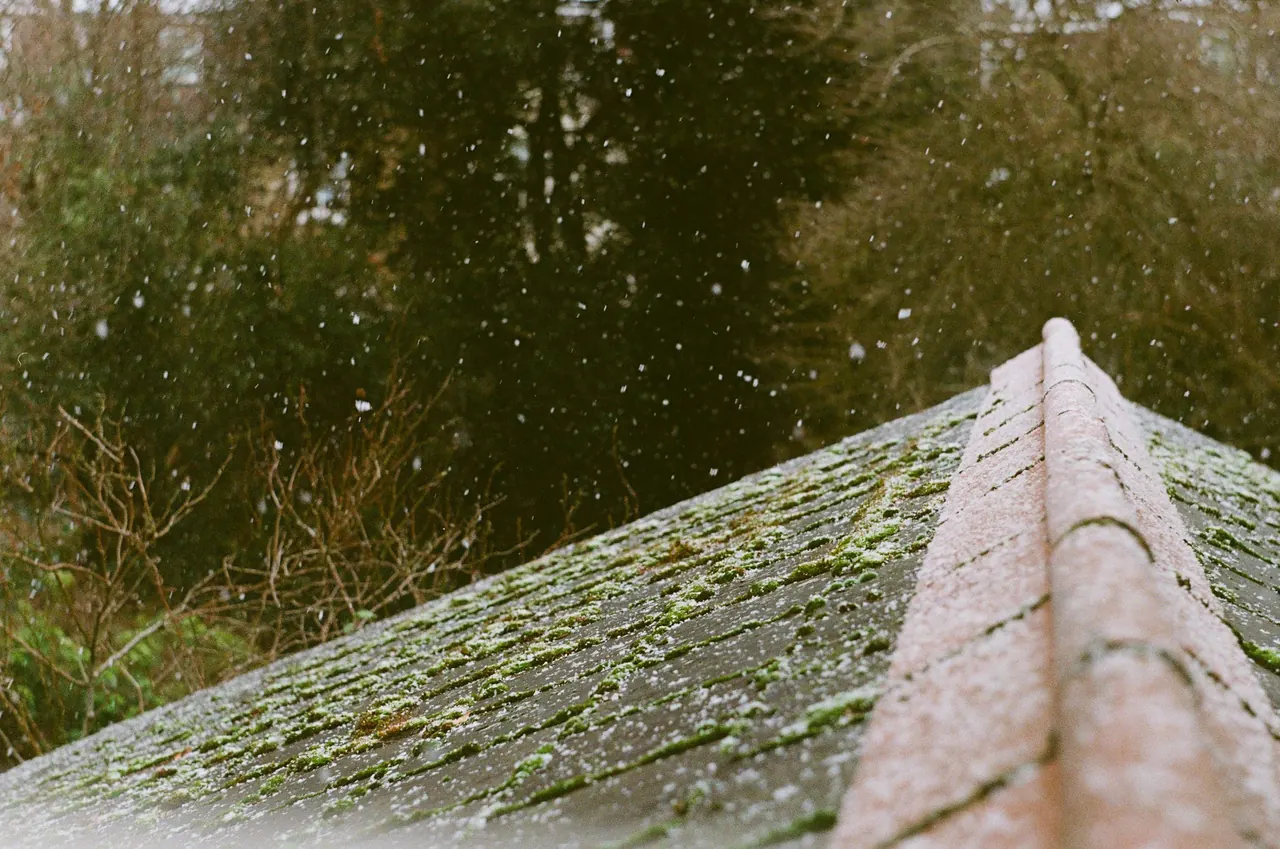
The slate roofs on these streets are a century old, and in a strong wind the weak ones go first: slates on rusted nails can come off several at a time from a two-storey front, onto a path a few steps from the door. If something looks ready to fall, keep people away from the front of the house, and call the emergency services first if the danger is to the street.
Making the roof safe, then the proper fix
On site, the job is to stop the water and remove any danger. Depending on what has happened, that can mean refixing or replacing slates, securing a cover over an open section, patching a split flat roof, clearing an outlet behind a parapet, or taking down loose material before it falls. On a flat roof behind a parapet, clearing the outlet is often what stops the water, and our page on blocked gutters and outlets in Raynes Park covers the follow-up.
In heavy rain or high wind, lead, mortar and flat roof coverings can't be laid properly, so we make the roof watertight and come back once the weather settles. You then get a quote for the permanent work, whether that is new slates or a re-covered parade roof through our flat roofing service here. After the storm, our article on spotting roof damage after a storm explains what you can check from the ground, and our emergency roof repair service is the one to ring for anything urgent elsewhere.
Frequently asked questions
Water is coming into my top-floor flat above a Coombe Lane shop. Who do I call first?
Call us to stop the water, then tell the freeholder or managing agent, since the main roof is usually theirs. We can make it safe and send them photos and a quote for the permanent repair.
Slates are coming off a turret on the Kingston Road parade. Is that an emergency?
Yes. A slate falling from that height onto a pavement can injure someone. Keep people clear of the area below, ring us, and let the shop and the building's owner know. We take down anything loose before it falls and cover the gap.
My house is in the Lambton Road conservation area. Can you make the roof safe without permission?
Yes. Making a roof safe and watertight after storm damage doesn't need consent. The permanent repair should then use the same materials, slate for slate, which keeps it in line with Merton's guidance for the area.





