



 Google reviews

The open ground beside Blakes Lane
Fulham's training ground began as the University of London's athletics ground, laid out in the early 1930s on about 28 acres. Fulham also own the former BBC sports ground across the road. Kingston's character study notes the views across the training ground from Blakes Lane and the road called Motspur Park.
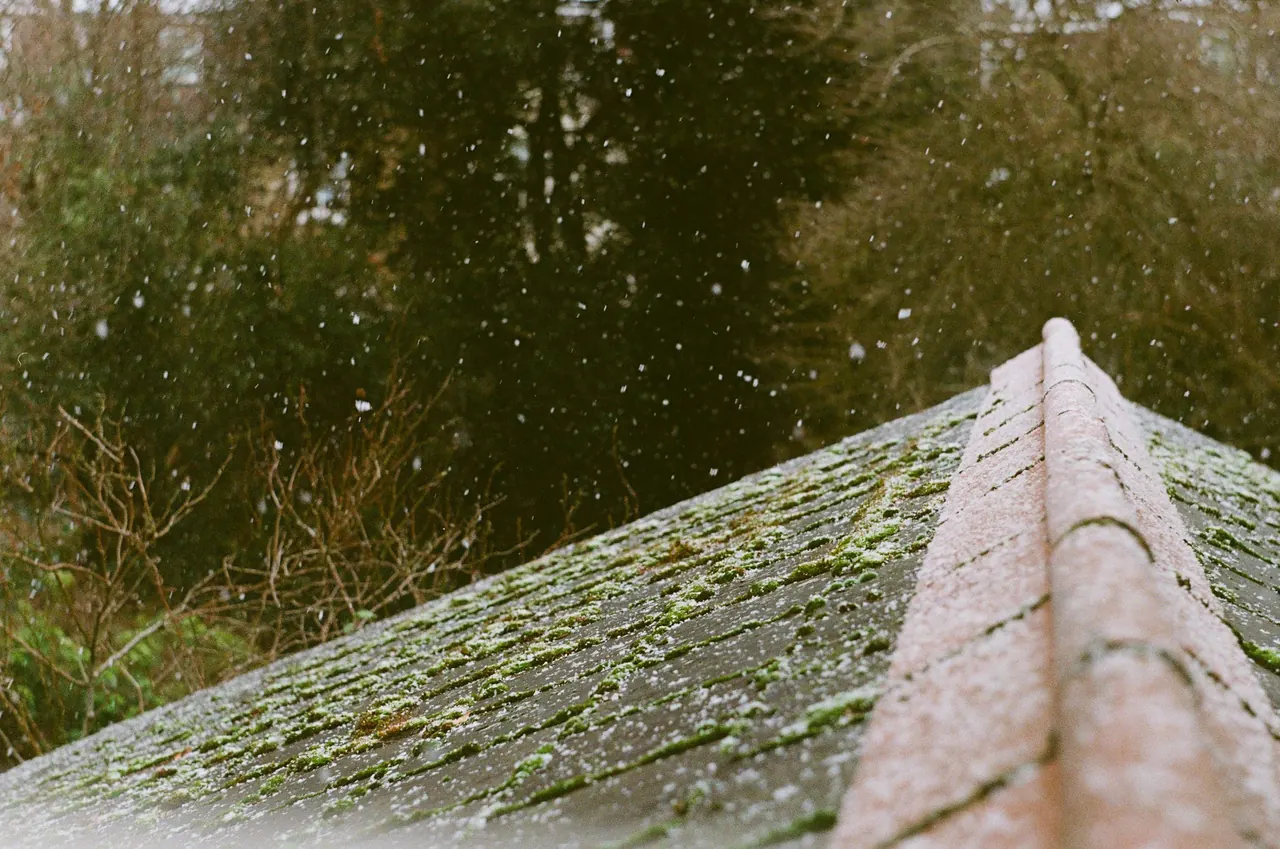
Open ground gives wind little to slow it. On a 1930s hipped roof, the parts most likely to go in a strong gust are the hips, the ridge and the verges, all bedded in mortar that may be close to ninety years old. Once one hip or verge tile lifts, wind can get under the next course, and a small gap can turn into a stripped section within the same storm.
If tiles have come down, keep people away from the ground below them, and do not go up a ladder to look. From inside, a torch in the loft will often show where daylight or water is getting in, which is useful to tell us when you ring.
Converted lofts on the arched pairs
Where an arched semi around Blakes Avenue has had a hip-to-gable loft conversion with a flat-roofed rear dormer, a leak in the new room has no attic space to soak into first. It goes straight into the room, usually at the junction between the dormer cheek and the old tiles, or along the new gable verge if it was not fixed well.
In an emergency the water comes first. That might mean sealing an opened lead junction, refixing lifted tiles at the verge, or covering a damaged section until it can be rebuilt. A converted roof has more junctions than the original hipped one, so after a storm it is worth having both the gable verge and the dormer edges checked, even if only one of them is leaking.
The flat-roofed Moderne semis on Meadow Hill and Barnfield are a different case, because the flat roof is the main roof. If water is standing on one of those after a downpour, our flat roofing page for Motspur Park explains what usually causes it.
Ringing us from KT3
The phone is answered at any hour, on 0330 133 4111. Our base on Kenley Rd in Morden is about 2.3 miles from Blakes Avenue.
On site, the aim is to stop more water getting in and leave the roof safe: loose tiles refixed or removed, open sections covered, valleys cleared. Once that is done, we explain what failed and what a permanent fix involves. Usually that is a normal roof repair on a dry day. If the storm has shown that the whole roof is worn out, we tell you that too. Our article on spotting roof damage after a storm covers what to check from the ground once the weather has passed, and the main emergency roof repair page has more on how callouts work.
For an insurance claim, photos from the ground and of any ceiling damage, taken before anything is moved, are the most useful thing you can have. We can describe in writing what we found and what caused it.
Frequently asked questions
Tiles from my Blakes Lane roof are lying on the pavement. What should I do right now?
Keep people clear of the area below the roof, move anything valuable away from any leak inside, and ring us. Do not try to reach the roof yourself in the wind.
Water is coming in round the dormer of our converted Blakes Avenue loft. Where is it likely to be?
Most often at the junction between the dormer cheek and the old tiles, or at the front edge of the dormer roof. Note where the drip is in the room, as it helps narrow it down before anyone goes up.
Is the permanent repair done on the same visit?
Sometimes, if it is small and the weather allows. More often the emergency visit makes the roof safe and the full repair follows in dry weather.





