



 Google reviews

Patterned stacks at 59/61 and 97/99
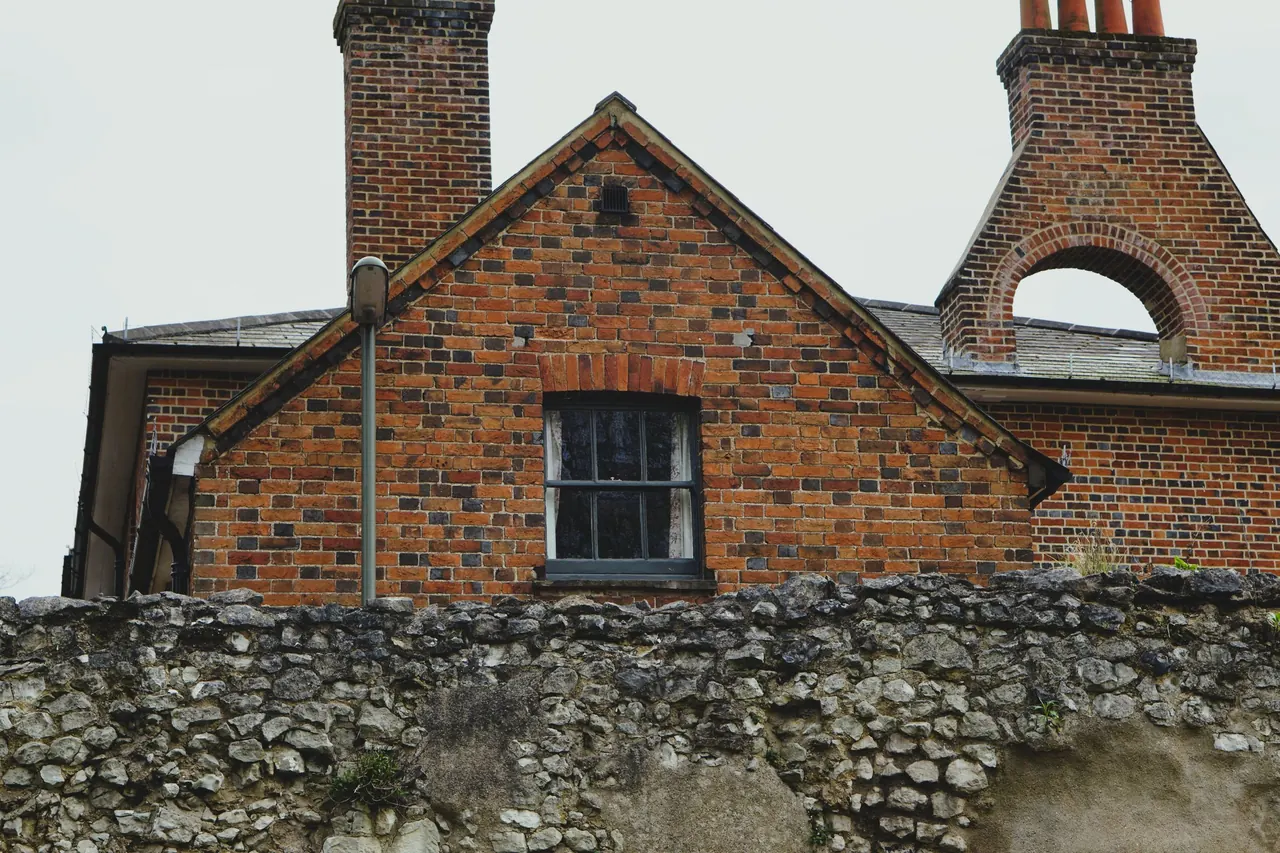
59 and 61 Merton Hall Road, a pair built in 1900, have zig-zag brickwork on their chimneys. Further along the same side, 97 and 99, from the same year, have tall chimneys with well-detailed brickwork that Merton Council's Merton Hall Road appraisal lists among the pair's notable features. Both pairs are locally listed.
Decorated stacks fail in the same ways as plain ones, with more to lose. Mortar in moulded or patterned brick sits in awkward recesses and washes out first. Lead flashing lifts in wind, or pulls out where the mortar holding it has crumbled. Flaunching around the pots cracks and lets water down inside the stack. Old cement or sealant patches, put on to stop a leak years ago, now hold water against the brick.
Repointing yellow stock and red brick
The brick on Merton Hall Road is mostly yellow London stock with red brick detailing, according to the appraisal, while the Wimbledon Chase avenues are red brick below and pebbledash above. On a patterned stack, new mortar has to sit back in the joint and follow the pattern rather than spread across the face, and the colour of the mortar matters as much as the brick. Where bricks have blown, we look for a reclaimed match in colour and size.
On a locally listed pair like 59/61 or 97/99, it is worth keeping the stack exactly as it was built. Our chimney care guide covers what you can check from the ground each year.
South of Henfield Road, and on Quintin, Richmond and Chatsworth Avenues, the houses are two-storey terraces and pairs with party walls standing up through the roof. Where a stack sits on one of those walls, its flashing runs across both roofs, so it is worth agreeing the work with next door before pricing it.
Two and a half storeys north of Henfield Road
The east-side houses above Henfield Road are taller than anything else in this part of Merton, and their stack tops take the weather. Small jobs, such as refixing a short length of flashing, resetting a pot or fitting a cowl, can often be done from roof ladders with proper safety equipment. Re-leading the whole stack, full repointing or rebuilding the top courses on a house this tall needs scaffolding. A drone flight before we price shows the top of the stack, the pots and the flashing close up, so the scaffold is in the quote from the start rather than added later.
As a national guide, MyJobQuote's chimney flashing cost guide gives £150 to £250 for a patch repair and £350 to £460 for full leadwork, both before any scaffolding. On a two-and-a-half-storey stack, the scaffold can be a large part of the total. If the slates or tiles around the stack are part of the problem, roof repair in Merton covers them on the same visit, and the main chimney repairs page has more on cowls and caps.
Frequently asked questions
Part of the zig-zag brickwork on my Merton Hall Road chimney needs rebuilding. Can it be matched?
Usually. We photograph the pattern before anything comes down, rebuild to the same layout, and use reclaimed bricks close in colour and size. On a stack like this, matching the mortar colour matters as much as matching the brick.
Will re-leading the stack on a two-and-a-half-storey Merton Hall Road house need scaffolding?
For full re-leading, yes. The top of the stack is too high and too exposed to re-lead safely from ladders. A short length of loose flashing may be reachable without it, and the drone photos show which applies before you are quoted.
The flaunching around the pots on my Chatsworth Avenue chimney is cracked. Is it urgent?
Not an emergency, but do not leave it through a winter. Water gets down inside the stack through the cracks, and frost widens them. Replacing flaunching is a small job if it is done before the pots work loose.





