



 Google reviews

Edwardian tiles on the avenues off Kingston Road
Building plans for Quintin Avenue went in between 1901 and 1904, for Richmond Avenue in 1904 and 1905, and for Chatsworth Avenue between 1905 and 1907. Merton Council's Wimbledon Chase appraisal describes two-storey terraces and pairs with fairly steep roofs, a gable to the street and the party walls projecting through the roof plane, mostly covered in tiles and some still with ornate ridge tiles.
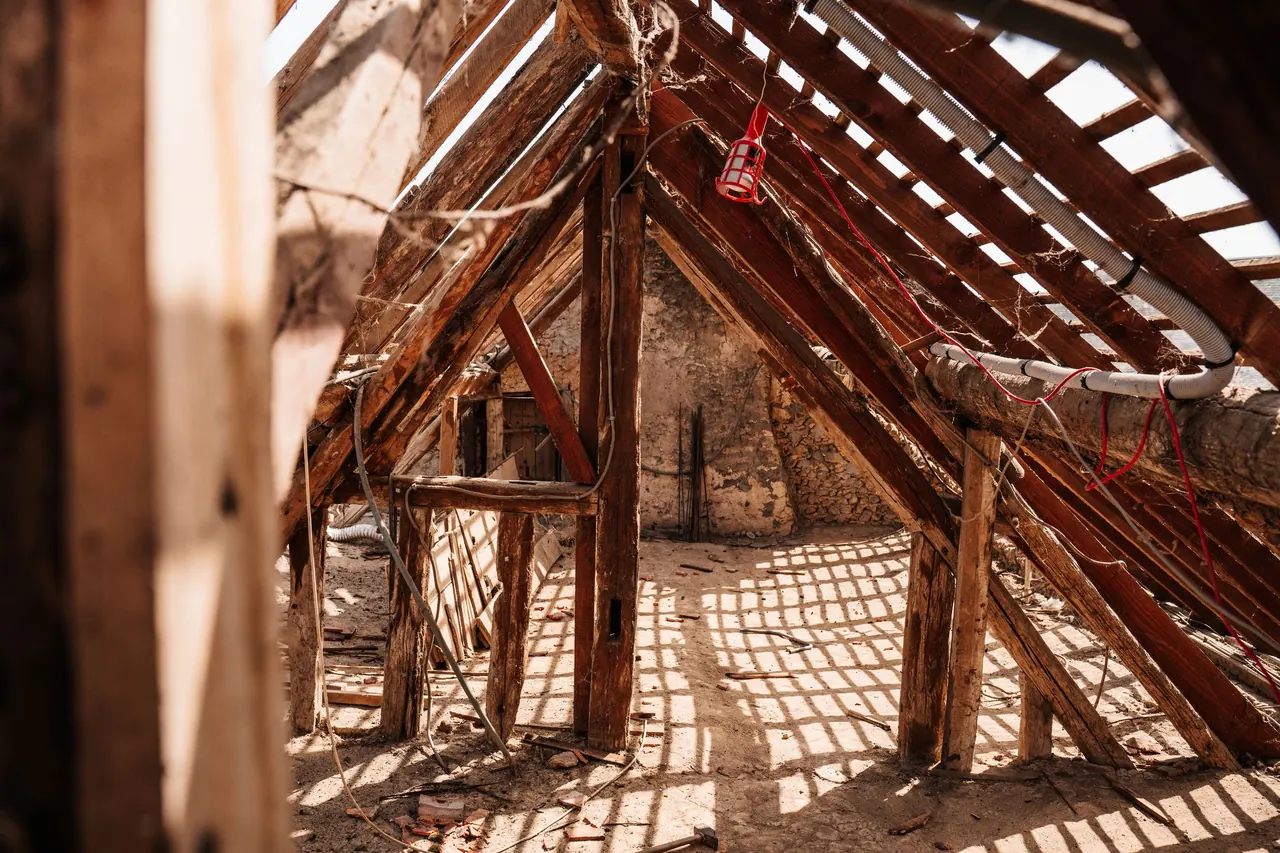
A clay tile can last a very long time. What wears out first on a roof this age is what holds it up: the nails, the battens, and underlay that was often never there. When tiles slip across a whole slope rather than in one spot, and the battens crumble as a roofer lifts a tile, repairs stop holding and a re-roof becomes the cheaper path. Sound tiles lifted carefully can be sorted and relaid, with reclaimed tiles making up the shortfall, usually on the rear slope where they show least. Our article on how long a new roof lasts gives a sense of what each covering can be expected to give.
Slate or clay on Merton Hall Road
Merton Hall Road is older, from 1884 at its north end, and the council records both slate and clay tile there. The semis on the east side above Henfield Road rise to two and a half storeys under gables, hips and half hips, and some carry tall decorated chimneys, so a re-roof there involves more scaffolding, more leadwork and more cutting than on the two-storey avenues. On the terraces at the south end, almost every house has a gable or hip over its bay, with a valley where it meets the main slope, and each of those valleys is renewed with the roof.
What a different covering does to a street
There is an example on Richmond Avenue. The Wimbledon Chase appraisal records that 2/4 replaced houses lost to a German bomber crash in 1940, and the post-war pair has a plain-tiled roof hipped at its southern end. 41 Quintin Avenue, also post-war, is hipped at its northern end. Beside the gabled Edwardian terraces, they show how much a change of roof shape and covering alters the look of a row.
Both streets are in conservation areas: Merton Hall Road since 1987 and Wimbledon Chase since 1990, with Chatsworth Avenue added after a 2004 boundary review. Re-covering like for like does not usually need planning permission. Swapping slate for concrete tile, or losing the gable or the ridge detail, changes the appearance, and that is worth raising with the council before you commit. Concrete tiles are also heavier than slate, which matters on old rafters.
Party wall upstands, valleys and the scaffold
On a terraced roof here, the party walls rise through the slope on both sides, so each upstand gets new lead stepped into the brickwork when the roof is re-covered, and the valley behind the front gable is relined at the same time. If next door is not re-roofing, the join along your side of the party wall is finished so their roof is left as weathertight as it was. Re-roofing usually needs Building Regulations approval, and replacing more than half a roof brings in insulation requirements where practical.
As a national guide, Checkatrade's roof replacement guide puts most UK homeowners between £4,000 and £19,000. Slate and handmade clay sit towards the top. We price the roof after looking at the timbers from the loft and at the access. Gutters, fascias and soffits are often renewed while the scaffold is up, which fascias and soffits in Merton covers. Our main roof replacement page has more on how a re-roof is run.
Frequently asked questions
Do I need permission to re-roof my house in the Wimbledon Chase Conservation Area?
Not usually, if the new roof matches the old in material, colour and shape. Changing to a different covering, or altering the gable or ridge detail, can need permission. Merton's published list shows no Article 4 direction for the area at present, but check with the council before you change anything visible from the street.
What happens to the ornate ridge tiles when my Quintin Avenue roof is stripped?
Tell us about them when we price the job. Sound original ridge tiles can usually be lifted carefully and bedded back on the new ridge, and we tell you which ones are broken before work starts so a reclaimed match can be found.
The loft of my Merton Hall Road house has no underlay at all. Does that alone mean a new roof?
No. Plenty of roofs this age were built without underlay and stay dry because the slates or tiles are sound. It becomes a reason to replace when it comes with widespread slipping, failed battens or repeated leaks. A roof inspection in Merton shows which applies to yours.





