



 Google reviews

Belvedere Grove: clay tile and curved slopes
The houses on Belvedere Grove went up as part of the Belvedere estate, most of them in the early 1900s. Merton's Wimbledon North character assessment says most have clay tile roofs, some with curved roof slopes, set off by projecting gables, bays and tall chimneys. When it was written, it also noted that two houses on the street had been re-covered in concrete tiles.
A concrete tile is thicker, has a different profile and weathers to a different colour, and on a street of clay roofs it stands out. If your house has already lost its clay, a replacement is the point where it can go back. If it still has clay, the straightforward choice is to renew it in clay.
Cost, time and scaffold on an estate house
Cost guides are based on a typical semi. A Belvedere estate house may be larger than that, and gables, dormers and valleys all add work. As a starting point, MyJobQuote's new roof guide gives national guide figures of £3,500 to £6,000 for re-roofing a typical semi in clay tiles and £7,500 to £18,000 or more in slate, and says the work on a typical semi or detached house takes 3 to 5 days.
Scaffolding is a separate cost on top, and on a two or three storey house with a deep front garden or a tight side passage it is a real part of the budget. We price the whole job after we have looked at the roof, including the scaffold, so you are comparing like with like.
The scaffold is also the cheapest time to deal with the roofline. Gutters are often renewed in the same visit, and our page on gutter installation in the Village covers that. Rotten boards behind them are on our fascias and soffits page for the Village.
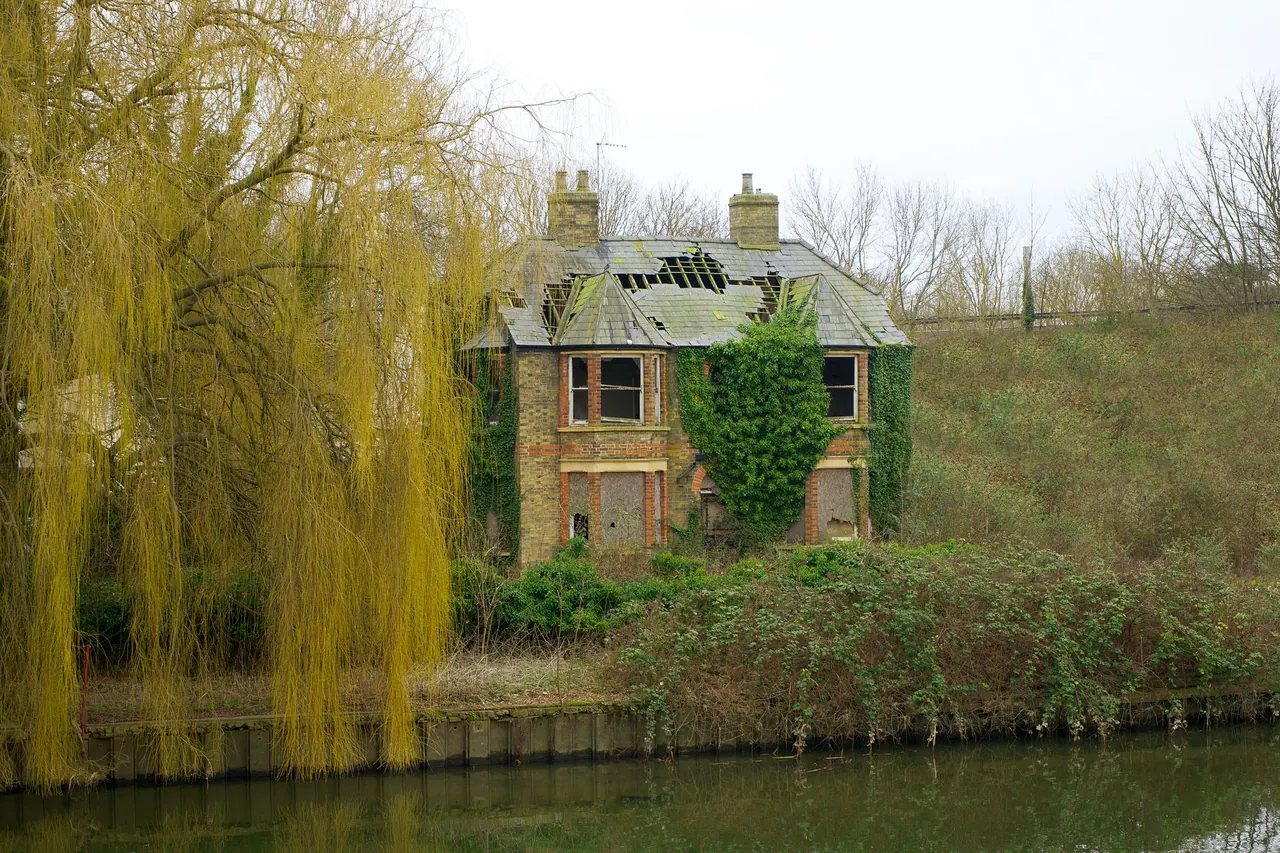
Re-covering a curved slope
Curved roof slopes are one of the details Merton picks out on Belvedere Grove, and they need more care than a flat plane. The battens are set to follow the curve, the tile gauge is worked out so the courses run evenly round it, and the tiles chosen have to sit tight to the curve without gaps at the tail.
The rest runs in the usual order. The old covering is stripped back to the rafters, rotten timber is replaced, and a breathable membrane and new battens go on. Then come the tiles from the eaves up, the ridges, hips and valleys, and new lead at every chimney, dormer and abutment while the roof is open. We photograph the old slope before stripping so the finished line matches it.
Not every worn clay roof needs replacing. One or two slipped tiles or a loose ridge are repairs. When the loft shows daylight in several places across more than one slope, patching becomes a running cost, and our guide to repairing or replacing a roof explains how we weigh it up.
Slate terraces closer to the High Street
Nearer the shops, the cottage roofs are slate: Belvedere Square, Lancaster Place and the Church Road terraces. Natural slate commonly lasts 100 years or more, and it is usually the nails and battens that give up first. Where the slates are sound, putting them back on the street-facing slope and making up the rest with matching slate keeps the look of a terrace. Our article on how long a new roof lasts compares coverings, and the main roof replacement page sets out the process in full.
Frequently asked questions
How do you keep the curve when re-tiling a curved slope on Belvedere Grove?
The battens are fixed to follow the curve, the gauge is set so courses stay even, and the tiles are laid tight to it. We photograph and measure the old slope before stripping so the finished shape matches.
Is a re-roof on a listed Belvedere Square cottage handled differently?
Yes. Belvedere Square is a listed group, so anything that changes materials or details is likely to need listed building consent. We record the existing slates, ridges and lead before stripping so the new roof can follow them exactly.
Can a Belvedere Grove house that now has concrete tiles go back to clay?
Yes. We check the timbers and batten layout suit plain clay, then re-cover in a tile chosen to match the street. Because it changes the covering in the Wimbledon North Conservation Area, it is worth telling Merton's planning team what you plan first.





