



 Google reviews

The church end, by St Mary's
The old church end of Wimbledon, by St Mary's on St Mary's Road and Arthur Road, is thick with old trees. Merton's character assessment for the area lists a large Cedar of Lebanon, many old yews, some limes and mature hollies in the churchyard. A 1974 tree preservation order, "Arthur Road St Mary's", protects 77 trees in this part of Wimbledon North.
The mix matters. Cedars and yews are evergreen and drop needles and small debris through the year, not just in autumn. Limes shed their leaves in autumn. Hollies drop tough, spiky leaves that sit in a gutter and do not break down quickly. Fine needles pack into a dense mat at outlets and in hopper heads. For houses within reach of the churchyard, two visits a year usually works: one in late autumn once the limes have dropped, and one in spring to clear what has built up over winter.
That is a small part of the Village, though. Most homes here are a few streets away, and their gutters fill for different reasons.
Belvedere estate gardens
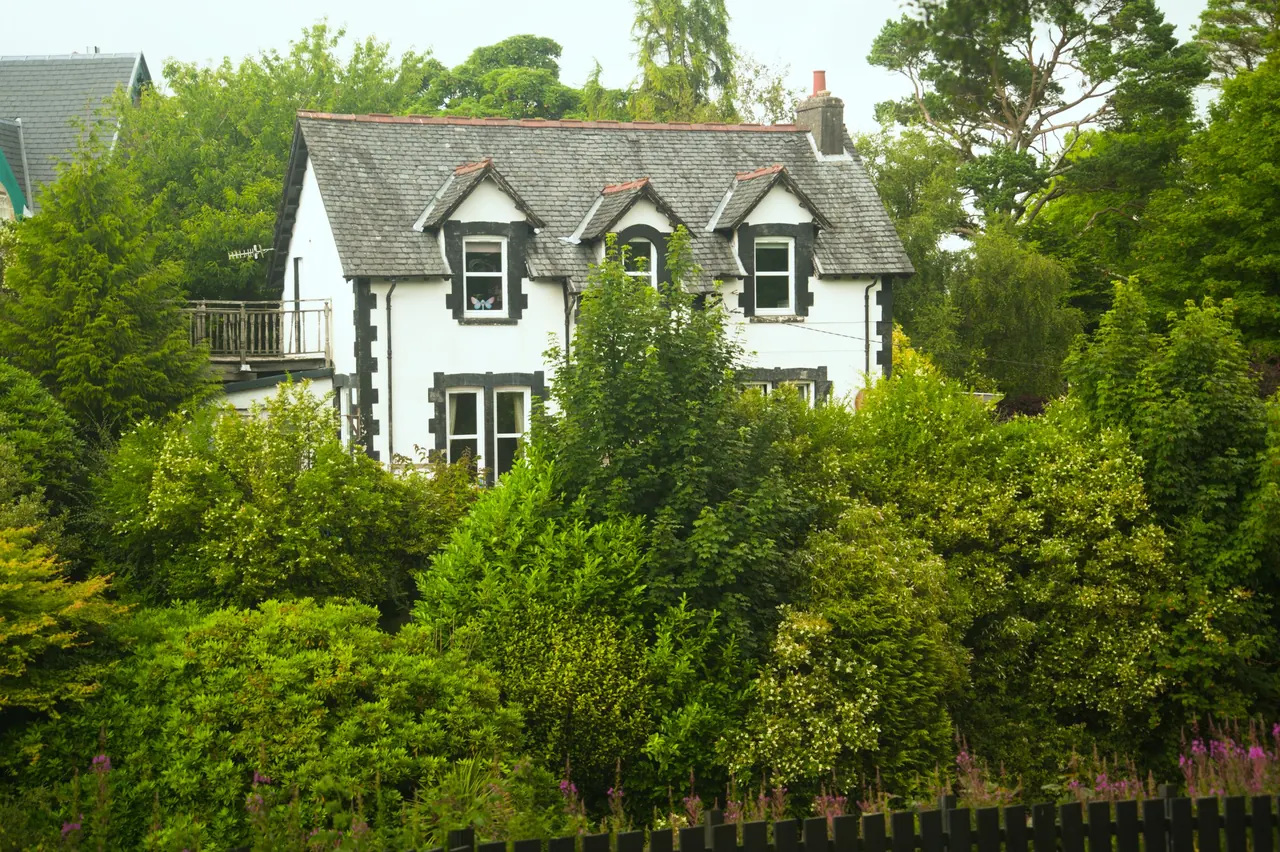
The houses on Belvedere Grove, Courthope Road and the roads around them are mostly early 1900s, with clay tile roofs, projecting gables and some front dormers. Where a garden tree overhangs the roof, the valleys between gables gather whatever falls on the slopes and feed it into a few corners of the gutter.
On houses like these, once a year in late autumn is usually enough unless a large tree overhangs the roof. Our guide on how often gutters need cleaning sets out the published advice. The cottages in Belvedere Square and Lancaster Place are only two storeys, but their slate is steep and fragile, so we work from the eaves rather than the roof.
Parapet gutters on the High Street
On the High Street, the gutters that matter are often ones you cannot see. Parades such as 1-8 High Street have their roofs behind a parapet, and the water drains through valleys, parapet gutters and outlets to the back. Moss, grit and windblown leaves settle at the lowest point, and nobody notices until it overflows. A routine clear stops that build-up before it becomes a blockage. If one has already formed, our page on blocked gutter repair in the Village covers the hidden valleys and hoppers.
The High Street fronts are taller and sit over busy pavements, so we choose access to suit each building. Where a roof is tall or awkward, we can look by drone first to see how full the gutters are and plan the right equipment, so the clean is done in one trip.
Hoppers and downpipes on older houses
Needles and leaf litter wash on into hopper heads and the bends of old downpipes, so each visit empties the hoppers and checks every pipe runs, as well as clearing the gutters. We then flush the system with water to check it runs and take the debris away. If we notice a loose bracket, a dripping joint or a soft board, we point it out and leave the decision with you; repairs are on our Village gutter repair page.
For a price reference, MyJobQuote's gutter cleaning guide gives a London guide figure of £120 to £180 for a clean. Height, access and how long since the last clean decide where a Village house falls. The main gutter cleaning page has more detail.
Frequently asked questions
The trees by St Mary's churchyard are protected. Can I cut back branches over my gutter?
Trees covered by the 1974 order need Merton's consent before any work on them, so ask the council first. In the meantime, a regular clean keeps the gutters working under them.
Do cedar and yew needles from the St Mary's trees block gutters differently from leaves?
Yes. Fine needles pack down into a dense mat, especially at outlets and in hopper heads, and they arrive in most months rather than all at once. That is why a routine works better near these trees than an occasional big clear.
Can you clean the gutters on a Belvedere Square cottage without walking on the slate?
Yes. We work from ladders or other access at the eaves rather than from the roof, which keeps weight off the steep slate slopes.





