



 Google reviews

How much of the clay can go back on
A clay roof can be failing even when most of its tiles are sound. The tiles themselves last a very long time, but the nails rust through, the battens soften and the old underlay, if there is one, turns brittle. Once slipped tiles are turning up on several slopes, leaks are showing in more than one room, battens crumble when a tile is lifted and the ridge line has started to dip, patching one area after another stops being good value. If only one area is failing, a roof repair in Wimbledon Park is the better answer.
On a re-roof, the tiles come off by hand and are sorted. The sound ones are stacked and go back on the slopes you see from the road, and the shortfall is made up with the closest matching clay we can find, laid on the rear slopes where a small difference in colour matters least. That keeps the street face of the house looking as it did.
Arthur Road: what is on the roof now
The big houses on Arthur Road have gabled roofs or hipped roofs with sprocketed eaves, mainly in clay tile with some slate, and turrets on some. Merton Council's Leopold Road character study notes some replacement roof coverings along the road, so not every Arthur Road roof still carries what it was built with. If yours has been re-covered in concrete, a replacement is the chance to return to clay. If it is original, the question is how much can be saved.
Every property on Arthur Road between its two junctions with Home Park Road is in the Wimbledon North Conservation Area, as is most of Home Park Road. Merton's 2006 appraisals for both parts recommended bringing the replacement of roofing materials under planning control. Re-roofing like for like is normally maintenance and needs no permission. If you are thinking of changing the material, check with Merton's planning team before ordering anything.
Hips, dormers and stacks on Home Park Road
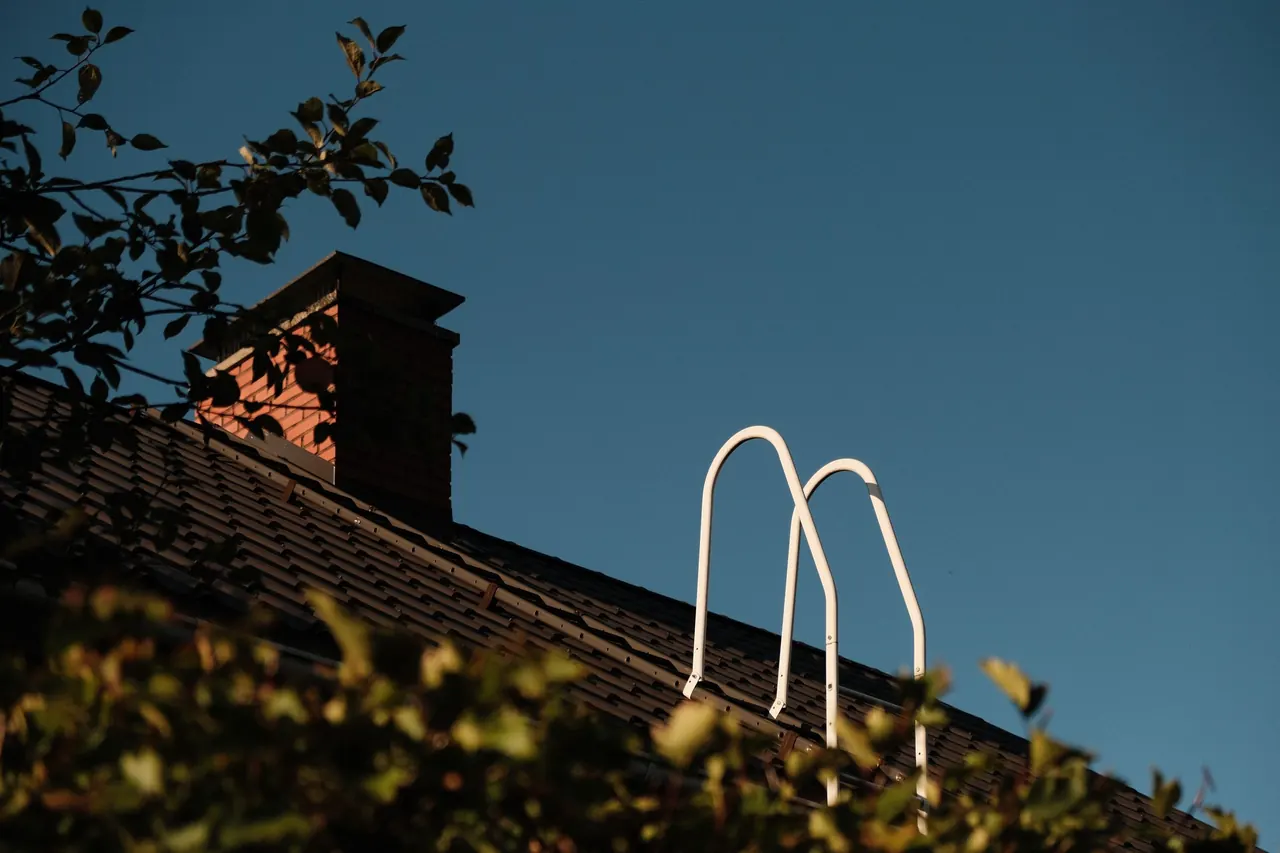
The original Home Park Road houses have clay tiled hipped roofs, front gables, tall stacks and dormers lighting rooms in the roofspace, as Merton's Wimbledon North appraisal records. A hipped roof has hips on every corner and eaves on all four sides, and the fixings tend to give up everywhere at the same rate. On a re-roof of one of these houses:
- Battens and old underlay are cleared back to the rafters, and the rafters, wall plates and dormer framing are checked for rot.
- A breathable membrane and new treated battens go on at the right gauge for the tile.
- Saved and matching clay tiles are laid from the eaves up, with the hips finished in the same style as before.
- New lead goes round the dormers, the stack and any bay roofs, dressed to the old lines.
Scaffold where the garden falls to the park
The land falls steeply from the Arthur Road ridge. On the park side of upper Home Park Road the houses sit below the road, and on Arthur Road the north-east gardens drop sharply towards the park. A scaffold on ground like that needs more lifts at the back than the front and careful footing on the slope, and getting tiles and waste in and out takes planning.
Checkatrade's roof replacement guide puts a typical 64m² hipped roof at £9,250 to £18,000. A large clay roof with dormers on a sloping plot will sit towards the top of that, and we price yours from a look at the actual roof.
With the scaffold up, it makes sense to deal with the stack at the same time, since chimney repairs such as repointing and new flashing cost far less when no separate access is needed. Our article on how long a new roof lasts covers lifespans by material.
Frequently asked questions
Will the hips on my Home Park Road roof look the same afterwards?
They should. We note how the hips are finished before stripping, whether bedded hip tiles or another detail, and put back the same style, so the roof keeps its outline from the road.
My Arthur Road house has a turret. Is it re-roofed with the main roof?
Usually, yes, since the scaffold is already there. A turret's small conical or pyramid roof uses many cut tiles in short courses, so it takes longer per square metre than the main slopes, and its finial is reset at the end.
A previous owner put concrete tiles on my Arthur Road house. Can it go back to clay?
Usually, yes. Clay and concrete tiles differ in weight and fixing, so we check the rafters can carry the tile you choose. We can price both a concrete re-cover and a return to clay, so you can see the difference before you decide.





