



 Google reviews

When the fixings go before the slates
The Fairlight streets between Wimbledon Road and Fountain Road were spared demolition in 1968, as our Summerstown area page describes, so the houses there are the late Victorian originals. Houses of this age often keep their original rafters, and some still carry their first slates, with no underlay beneath them.
That produces a particular kind of worn-out roof. The slates may be fine, but the iron nails, the battens and any old felt have all aged at the same rate. One slipped slate is a repair. Slates slipping on every slope, battens that snap when a few are lifted and leaks that move each winter point to the whole covering coming off. If you are not sure which side of that line you are on, our Summerstown roof repair page covers the repair route.
What goes back on
A natural slate roof is not always scrap. Slate that has not softened or cracked round the nail holes can often be lifted, sorted and refixed, and on a terrace front that keeps the colour and size matching the rest of the row, with new slate of a similar size making up the rear slope. Whether yours is worth keeping is something we tell you at the survey.
Where a roof was re-covered in concrete tile decades ago, the choice is open. No Article 4 direction covers these streets, so on an ordinary house the covering is yours to choose, within Building Regulations. Concrete tile is heavy for rafters cut for slate, and a slope that dips is a sign it has been asking too much of them. Going back to slate is lighter and suits the age of the house. Some owners keep tile to match their neighbours. We set out the cost and the weight of each before you decide.
Under the covering, the old battens and felt come off down to the rafters. Rotten rafter feet or wall plate are replaced, then a breathable membrane, new battens and the covering go on, with new lead at the valleys, the party-wall stack and the back addition.
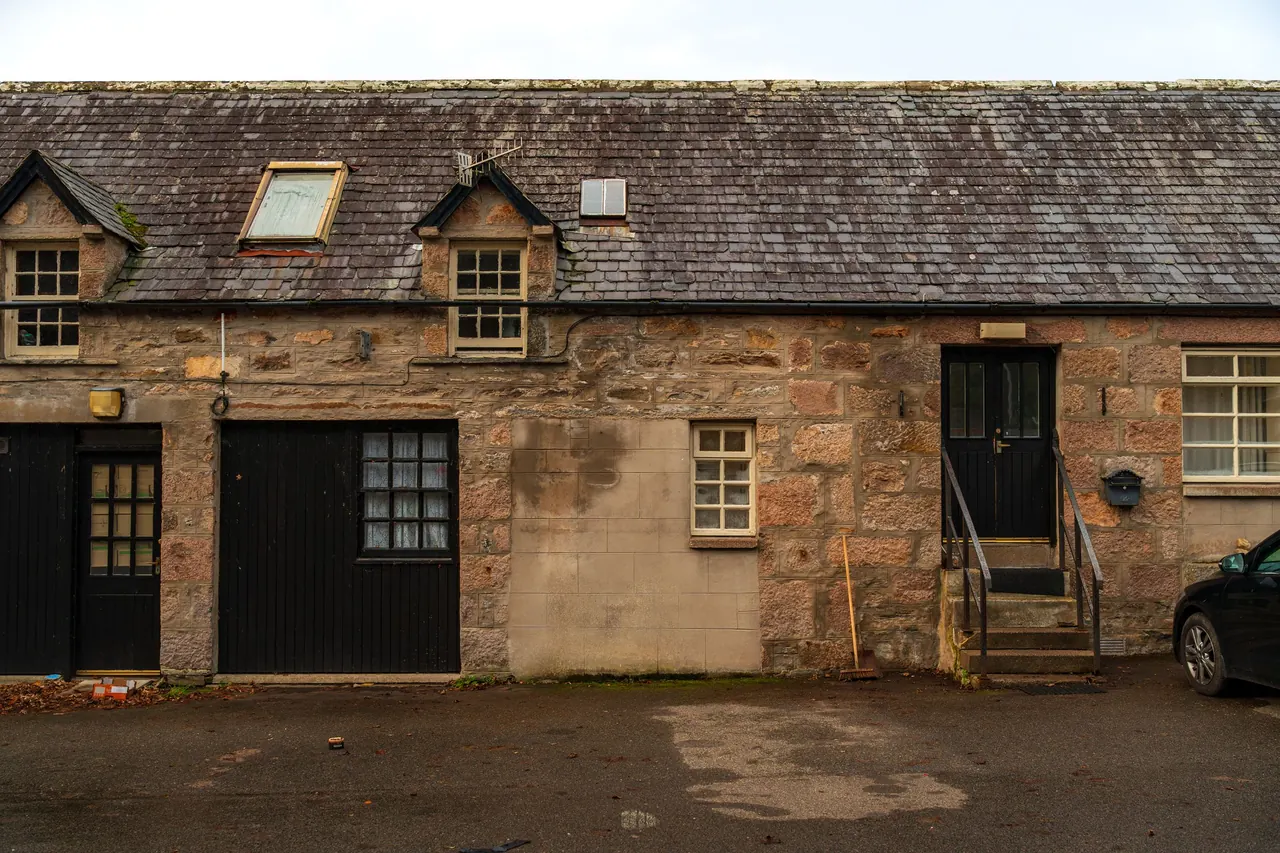
One house in a joined-up row
On a terrace your roof runs into your neighbours' on both sides, so a re-roof is never quite self-contained. The new covering has to finish cleanly at each party wall, and the shared chimney needs new flashing on your side that meets theirs. The back addition roof shares a valley with the main slope, so leaving it out leaves an old junction under a new roof. We include the back addition and the scaffold in the quote, so you can see what each part adds.
Scaffold goes up front and back. On these narrow residential roads, scaffold standing on the pavement needs a licence from Wandsworth Council, sometimes with a parking bay suspended. With no side passage, getting the rear scaffold in is part of the plan. Gutters and fascias are best renewed while it is up. For lifespans of each covering, see how long a new roof lasts.
The almshouses are a different case
The St Clement Danes almshouses on Garratt Lane are Grade II listed with slate roofs, and Wandsworth Council has owned them since 1966/7. Any re-roof there would be like-for-like slate and lead, would normally need listed building consent, and would be arranged by the council. The main roof replacement page covers the process for an ordinary house.
Frequently asked questions
Can I re-roof my house and leave next door's roof alone where we share a chimney?
Yes. We renew the flashing and pointing on your side of the stack and finish it neatly against theirs. If their half is in poor shape we will show you photos, because water can still track across at the join, and some neighbours choose to have their side done while the scaffold is up.
How many of the old slates on a Fairlight terrace can usually be saved?
It varies with the slate and how it was fixed. Slates that have softened, flaked or cracked round the nail holes go. A fair figure only comes once some have been lifted, so the quote should allow for new slate to make up the difference.
Should the back addition on a Summerstown terrace be re-roofed at the same time?
We recommend it. It is usually the same age as the main roof and shares a valley with it, and the scaffold is already there. Doing one without the other leaves the weakest junction on the house half old and half new.





