



 Google reviews

The short gutter on the back addition
Look at the back of a terrace on Bellew, Keble or Squarey Street and the drainage is more complicated than the front. The main rear slope drains into a gutter at first-floor level. On many houses, that gutter's downpipe then empties onto the back addition roof or into a hopper, and the back addition's own short gutter has to carry both roofs' water to a single downpipe.
That small gutter is where repairs tend to be needed. It is usually the oldest or most patched length on the house, its outlet at one end silts up, and in a cloudburst it runs out of capacity. When it overflows, the water lands by the back door or soaks the wall beside it, on low ground that may already be wet.
The repairs are usually small ones:
- resealing or replacing the joint nearest the outlet, which takes the most water;
- resetting brackets so the run falls to the outlet instead of sagging in the middle;
- fitting a larger outlet, or a second downpipe where there is room;
- adding a spreader or a short pipe so the upper downpipe stops hammering one spot on the back addition roof;
- replacing a split hopper head.
The drip at the party wall
At the front, the gutter on a Summerstown terrace usually runs straight on into next door's. If the two halves are different sizes or sit at different heights, water backs up at the boundary and drips there in heavy rain. We can fit a proper adaptor or reset our side so the water passes through, and we show you photos if the fault is on the neighbour's side.
Brackets cause the same drip. On a terrace the last bracket before the party wall is often missing or fixed into a soft end of fascia, so the gutter drops slightly at the boundary and water collects there. Refixing it into sound timber, or adding a bracket on the wall side, stops a drip that has often been blamed on the joint.
Cast iron that can still be saved
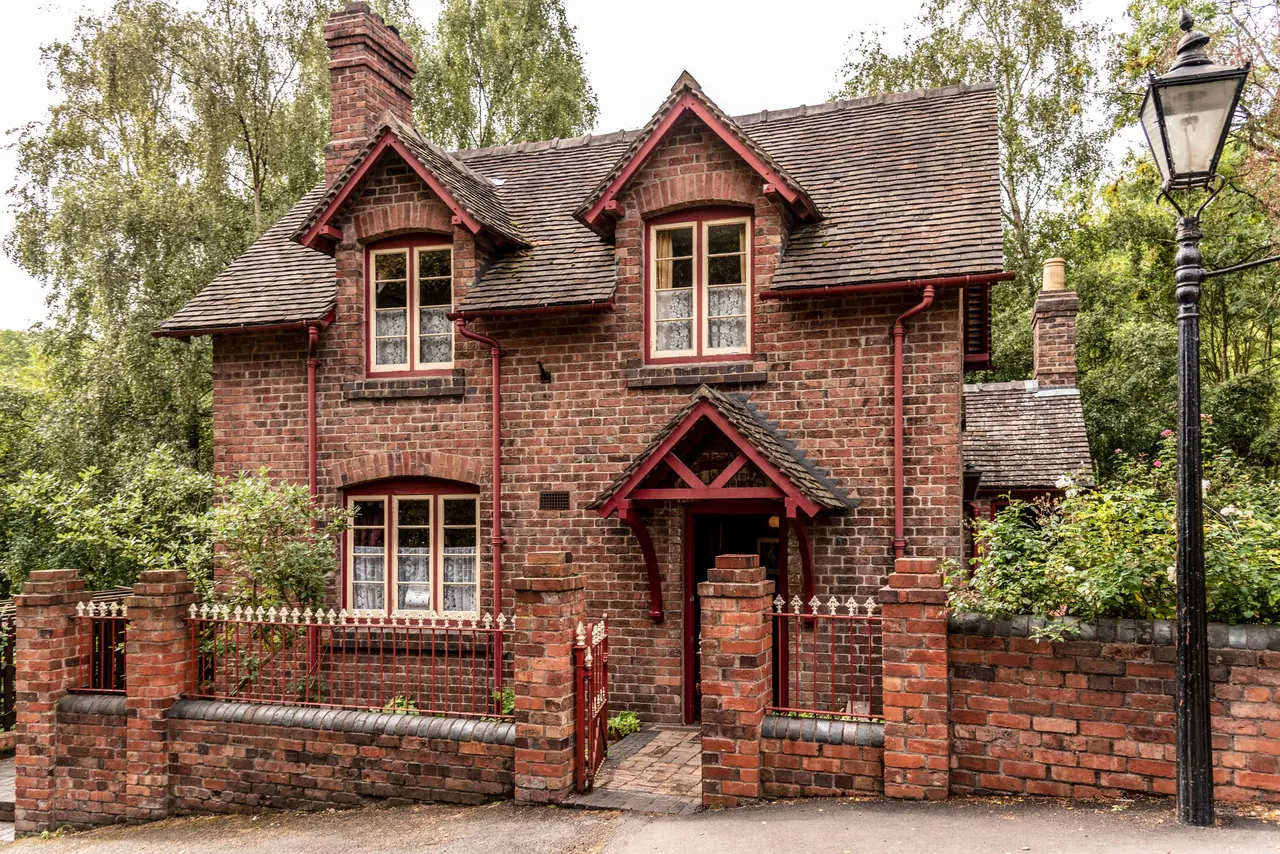
Original cast iron survives on some fronts round St Mary's and on the Fairlight streets. It can usually be repaired rather than ripped out: joints cleaned and resealed, a cracked length or broken bracket replaced, rust treated before it eats through. Where the iron is corroded along the whole run, or the fascia behind it has gone soft, it is time to think about new gutters instead.
Most of these jobs are small. MyJobQuote's gutter repair guide currently puts the average UK repair at about £215, and a single reseal or bracket usually sits well below a full run. If water is running down the wall behind the gutter rather than over its front, our article on water leaking behind a gutter explains the usual cause. A gutter packed solid is a different job, covered by our blocked gutter repair page, and the main gutter repair page sets out what a visit includes.
Frequently asked questions
The back addition gutter on our house spills onto the kitchen roof. Can it be made bigger?
Often, yes. A deeper profile, a larger outlet or a second downpipe can all help. If the upper downpipe empties straight into it, redirecting that pipe to its own drain is sometimes the simplest fix.
A hopper head at the back of our Victorian terrace drips and rattles. Can it be repaired?
Usually. Hoppers crack at the back where you cannot see them, and their brackets work loose. It can be refixed, the joint to the downpipe resealed, or the hopper replaced in cast iron or plastic to match.
Why does my gutter drip at one bracket even when it is not raining hard?
That usually means a joint sits at that point and its seal has failed, or the gutter has a low spot there where water collects and finds a way out. Resealing or resetting the bracket fixes it.





