



 Google reviews

One house, three generations of gutter
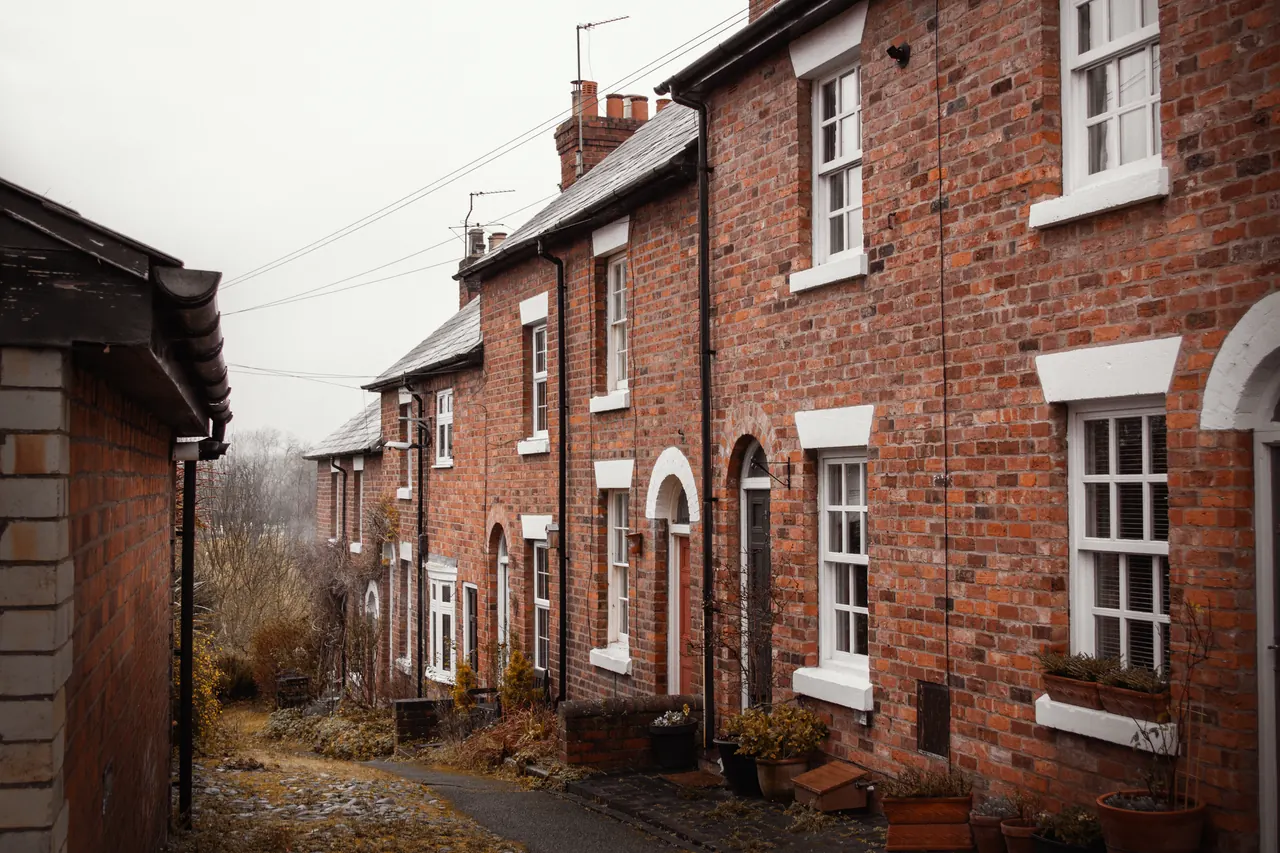
On the late Victorian streets round St Mary's and on the Fairlight, few houses still have the gutters they were built with, and few have had them all replaced at once. A typical terrace here keeps some cast iron on the front, has plastic on the main rear slope where a run cracked and was swapped, and something else again on the back addition. Over a century, downpipes have been moved for new kitchens and bathrooms, and some no longer reach a drain at all.
Refitting the whole house in one go is what makes a new system work. Each run is sized for the roof area above it, set to a steady fall towards its outlet and held on brackets at the right spacing, front, back and back addition together. If only one or two lengths are failing, a gutter repair may be all you need.
Meeting next door's gutter at the party wall
At the front of a terrace your gutter runs straight on into your neighbour's. If they have half-round plastic and you choose a deeper profile, or cast iron at a slightly different height, the two will not meet cleanly and water backs up at the boundary. So we look at both neighbours' gutters before choosing a profile. Matching size and height where you can is usually the right call, and where you cannot, a proper adaptor at the party wall keeps the water moving.
The fascia matters here too. Brackets need sound timber, and on a house this old the board behind the gutter may be soft at the ends where it meets next door's. If so, it should be renewed first, which our Summerstown fascias and soffits page covers.
Cast iron, plastic or aluminium
We fit uPVC, cast iron and aluminium. uPVC is light, low-maintenance and the cheapest. Cast iron is heavier and dearer, but on a period front it keeps the house looking right and lasts for decades if painted. Aluminium is light, does not rust, and comes in coated colours. A common compromise is cast iron or cast iron-style plastic on the front and plain uPVC on the back, where nobody sees it. Where a terrace has a long, plain eaves line, such as a corner house with a side elevation, aluminium can also be formed as seamless guttering.
At the back, the main rear gutter often empties onto the back addition roof, doubling the water the short gutter below has to carry. A new installation is the moment to give the upper downpipe its own route to a drain where there is one. Summerstown sits on low ground in the Wandle flood plain, so a pipe that ends on the patio puts water where the ground already struggles to take it. We aim to take each downpipe to a working gully or water butt, and tell you where that is not possible.
Rainwater goods at the almshouses
The St Clement Danes almshouses on Garratt Lane are the exception to free choice. They are Grade II listed council homes, so rainwater goods there should match the originals, with listed building consent where it is needed, and are arranged by the council. The main gutter installation page explains profiles and materials in more depth.
Frequently asked questions
Next door on our Victorian terrace has plastic and we want cast iron. Will the two join?
Yes, with the right adaptor. Cast iron and plastic profiles differ slightly in size and shape, so the joint at the party wall needs a purpose-made connector and the two gutters set at the same height. We check next door's run before ordering.
Can the downpipe from the main roof stop emptying onto our back addition in Summerstown?
Often, yes. It can be extended down the wall to its own gully, or joined into the back addition downpipe through a branch, so the small gutter below no longer takes both roofs' water. Which works depends on where the drains run, and on ground as low as Summerstown's a gully is a better end point than the patio.
Is it worth doing the front and back gutters at the same time?
Usually. Ladders and access only have to be set up once, and the whole house ends up on one system with matching brackets and seals, rather than a new front draining into a tired rear.





