



 Google reviews

Long downpipes on the Wimbledon Hill Road shops
Wimbledon Hill Road falls steeply, from 42 metres above sea level at number 100 to 23 metres at the Worple Road junction, and the buildings near the bottom are tall. On the 1881 terrace at 30 to 56, four storeys high, the roof water drops through long downpipes and hoppers to the street.
A long downpipe has a lot of joints, and each one is held by a bracket into old brick. When a bracket loosens, the pipe sags, a joint opens, and water runs down the face of the wall onto a sign or doorway. A hopper packed with silt overflows in the same way. Because the building is tall and the pavement below is busy, the repair needs careful access, but it is usually one section's work rather than a new system.
On older buildings the fixings matter too. At 1 to 8 The Pavement on Worple Road the eaves are finished in detailed brickwork. Where gutters or pipes are fixed into brick like that, a loose bracket cannot just be screwed back into a board, and we repair the fixing in a way that does not damage the brick.
Short runs and bay tops on Mansel Road
Off the main road, the houses on Mansel Road, Raymond Road and Malcolm Road were built between the late 1880s and the 1900s with busy roofs. Merton's conservation appraisal describes catslide dormers, Dutch gables, two-storey bays with hipped roofs, and single-storey bays with flat roofs at 1 to 3, 9 to 11 and 14 to 16 Mansel Road. Each of those creates a short run of gutter with its own corners and outlet.
Short runs fail at their ends. Stop ends and corner pieces carry the most joints for the least length, and a corner that has dropped a few millimetres sends water over its edge in every storm. A flat bay roof that drains onto a short gutter can overshoot it in heavy rain if the drip edge or the gutter position is wrong. These are typical repairs here:
- resealing or replacing a leaking corner or stop end on a bay
- resetting a short run so it falls to its outlet instead of away from it
- adjusting the edge of a bay roof so water lands in the gutter
- refixing a downpipe that has come off its brackets on the side of a bay
- replacing a cracked section to match the existing profile
Cast iron, plastic and what the street sees
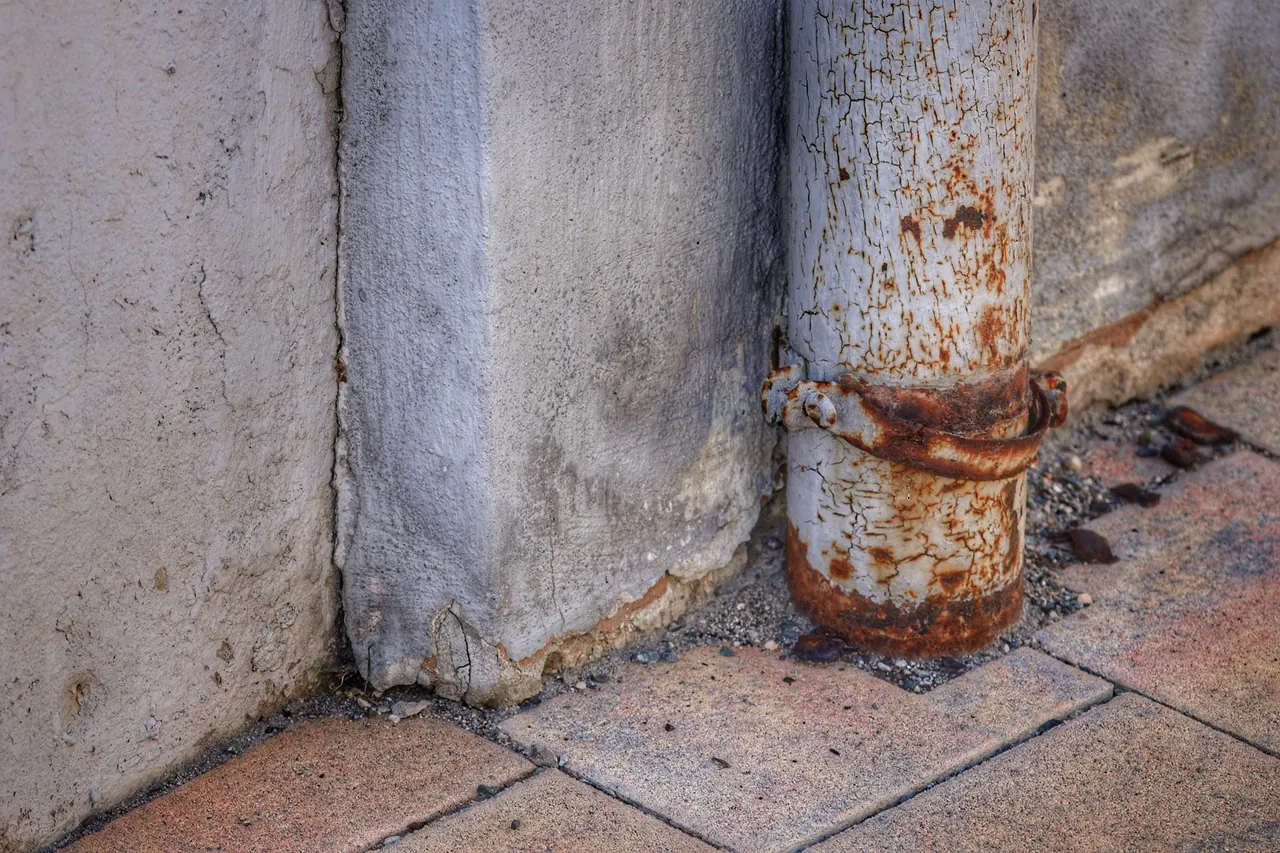
On a Victorian front in the conservation area, a repair should match what is there. Where a house still has cast iron, a cracked length or a rusted joint can often be replaced in cast iron or a close match, rather than switching the whole front to plastic. On the back, and on later houses, a uPVC repair in the same profile is usually fine.
For a broad benchmark, MyJobQuote's gutter repair guide puts the average UK repair at about £215. On a four-storey shop terrace, access makes up much of the cost. If the run is brittle along its whole length or rusted through in several places, a new gutter installation in Wimbledon is usually better value, and we can price both. Where the board behind the gutter has gone soft, the bracket will not hold until it is renewed, and we can quote for fascias and soffits in Wimbledon at the same visit. If the problem is debris rather than a broken part, gutter cleaning in Wimbledon is the place to start.
Frequently asked questions
The downpipe on my Wimbledon Hill Road shop has split two floors up. Can it be repaired without scaffold?
Often, yes, using the right access equipment for the height and the footway. We look at it first, and if a scaffold or tower is needed, we tell you before pricing.
Rain off the flat bay roof on my Mansel Road house overshoots the gutter. Can that be fixed?
Usually. The fix is often a better drip edge on the bay roof, a gutter set slightly lower or further out, or both. We look at the staining on the wall below to see where the water has been landing.
My Malcolm Road house still has cast iron gutters at the front. Can one cracked length be replaced on its own?
Usually. We match the profile as closely as we can, in cast iron where the rest of the front is cast iron, and reseal the joints either side.





