



 Google reviews

Listed stacks on the south side and at Cottenham House
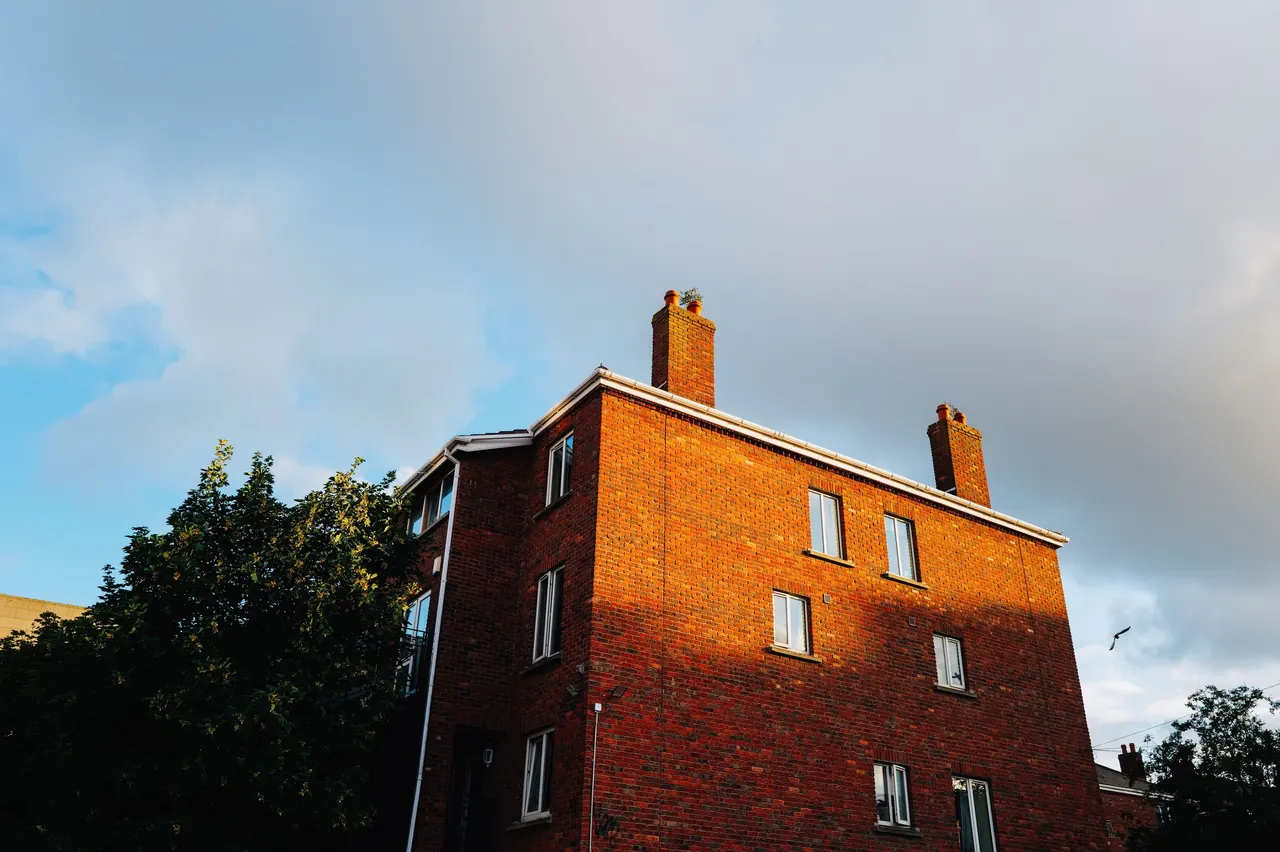
Several chimneys on Copse Hill belong to listed buildings. On the south side of the road, in the part Merton covers under the Wimbledon West conservation area, there are the Grade II Italianate pairs at Nos. 15/17 and 19/21, No. 23 and Colbyfield down the lane. The locally listed pair at Nos. 7 and 7a has stone surrounds to its chimneys. In the old hospital grounds, Cottenham House is listed too, and its list description records tall stacks with rows of chimneys.
On a listed building, like-for-like repair is expected, and taking down or altering a stack needs listed building consent. That covers the brick, the pots and the mortar. Before any work is priced on one of these stacks we usually check it with a drone inspection, which gets close-up photos of the pots, flaunching and flashing without anyone climbing up, and gives you something to show the conservation officer if consent is needed.
Height adds to the job. A stack on a three-storey villa will usually need a scaffold for anything beyond a small repair, and wind-driven rain from the south-west hits the windward face of these stacks hardest, washing out joints and working at the edges of the lead.
What the Copse Hill guide asks on Thurstan Road and the north side
Thurstan Road, Catherine and Marguerite Villas and the hospital grounds sit in the separate Copse Hill conservation area, and Merton's Copse Hill design guide is specific about chimneys there:
- Chimney stacks make an important contribution to the skyline and should be kept, even when the flues are no longer used.
- Pots on disused flues can be capped, as long as ventilation is kept while rain is kept out.
- Flashings should be in lead and fitted by an experienced contractor, and sand and cement upstands around stacks should be avoided.
- New pointing should match the original as closely as possible in mix and method, and should only be done where the joints need it.
None of this stops ordinary maintenance, and there is no Article 4 direction here. It does rule out the quick fixes, which is no loss, because they fail sooner. Hard modern mortar on soft Victorian brick can damage the brick faces, so we rake out only the failed joints and use a mix that suits the brick.
Cement fillets against concrete pantiles
The Thurstan Road cottages were built for slate and now carry concrete pantiles. Where a pantile roof meets a stack, the front apron has to be dressed down into the profile of a thick, curved tile rather than over a flat slate. An apron that was never dressed down properly leaves gaps that rain is blown into.
Many of these stacks have also had their lead replaced at some point with a sand and cement fillet. Cement is rigid, the roof moves a little with the seasons, and the fillet cracks away from the brick. Water then runs down behind it into the roof space or the chimney breast. The fix is to cut the fillet out, chase new lead into the mortar joints, dress it over the tiles and repoint around it.
Other common jobs on stacks of this age are cracked flaunching round the pots, a leaning pot above a front path, and an unused flue that needs a ventilated cap. If the tiles round the stack are part of the problem, our roof repair work covers those on the same visit. For a rough idea of cost, MyJobQuote gives £350 to £460 for replacing chimney leadwork without scaffolding and £700 to £920 with it, as a national guide.
Frequently asked questions
Do I need consent to repoint a stack on one of the listed Italianate villas?
Like-for-like repointing in a matching mortar is usually treated as repair, but on a listed building it is worth checking with Merton's conservation officer first, especially if the stack needs partly rebuilding. We can give you a written specification to send them.
The flashing on my Thurstan Road stack is a cement fillet. Can it go back to lead?
Yes, and it is what the design guide asks for. Our article on chimney flashing problems explains the usual signs that a flashing has failed.
My High Cedar Drive chimney is only from 1985. Why is the pointing going?
Forty years of wind-driven rain on high ground is enough to open up mortar joints on any stack, especially on its windward face. High Cedar Drive sits outside the conservation area, so the choice of mortar is yours, but repointing before water soaks into the brick keeps the job small.





