



 Google reviews

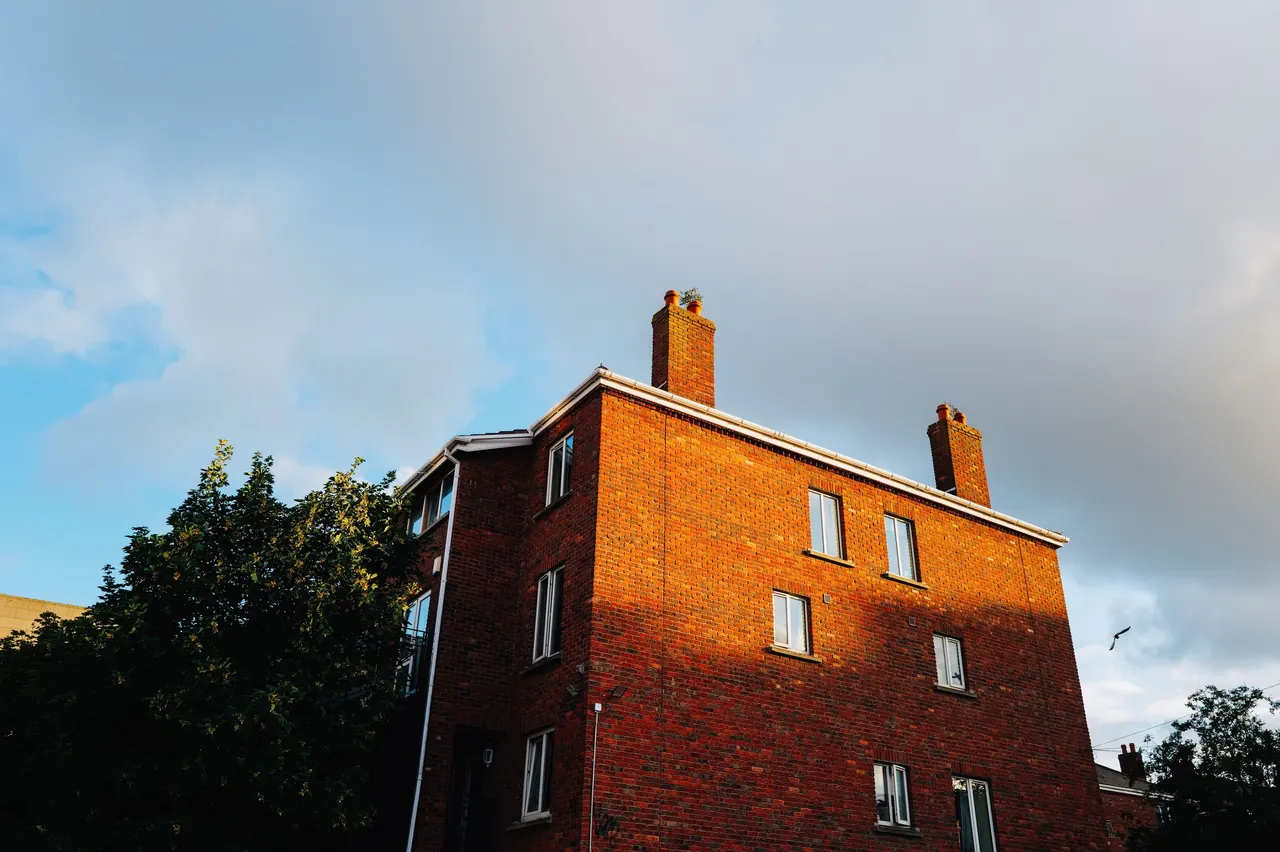
Whatley estate brick, pointed the way it was built
John Sidney Brocklesby, an architect better known for his houses in Merton Park, laid out the Whatley estate with Wallace Marchment in the 1920s. Merton's character study for Cannon Hill describes the estate's brickwork as distinctive and of good quality, with excellent examples of brick detailing, and asks owners to keep it exposed.
It is just as specific about what has gone wrong. It lists inappropriate repointing, giving strap pointing and protruding weather struck pointing as examples, among the changes that have spoiled the estate, and says repointing should follow the original pointing, either recessed or flush.
That guidance is written about the houses as a whole, but a chimney is where bad pointing does the most harm. A raised strap joint sits proud of the brick face, catches rain on its top edge and holds it against the brick, and on an exposed stack it soon cracks away. When we repoint a stack on Botsford Road, Bakers End or Mawson Close, we rake out the failed mortar to a proper depth and point back to the profile that was there, in a mortar that suits old brick, so the joints sit back in line with the rest of the house.
Stacks through a hip: where the lead works hardest
Most roofs in Cannon Hill are hipped, so the stacks rise through a sloping roof rather than standing on a gable end. Water running down the slope hits the back of the stack and has to be turned round both sides. That puts the most load on the back gutter, the lead tray behind the stack, which also collects leaves, moss and grit from the slope above.
On stacks like these, the lead that tends to need attention is:
- Back gutters: renewed where the old lead has split or the tray has silted up and overflowed.
- Step flashings down the sides: refixed or renewed where the lead has pulled out of the joints, often because the pointing holding it failed first.
- Front aprons: replaced where an earlier repair relied on sealant or flashing tape.
Then there is the top of the stack. The flaunching, the mortar bed round the pots, cracks with frost and lets water down the flue, and loose pots are a hazard over a path or drive. Even where a fireplace has long been blocked up, the stack still needs its lead, pointing and flaunching kept sound.
As a guide, MyJobQuote's chimney leadwork guide puts a patch repair to flashing at around £150 to £250 and replacing all the leadwork at about £350 to £460, before any scaffolding or access.
Rendered and pebbledashed stacks off the estate
Outside the estate the finishes change. The 1926 terraces on Whatley Avenue and the north side of Cannon Hill Lane are rendered, the Hillcross Avenue streets mix pebbledash and brick, and the semis facing the Common are mostly brick. A rendered or dashed stack hides its mortar, so cracks in the coating are often the first sign water is getting into the brickwork underneath. We look at how your stack is finished before deciding how to repair it, and we photograph the top of it by drone so you can see the pots, flaunching and lead for yourself. Our roof inspection in Cannon Hill page explains how that works.
If tiles round the stack need attention as well, we deal with them in the same visit as part of our roof repairs in Cannon Hill. For year-round checks, our chimney maintenance guide is a useful list, and the main chimney repairs page has more on each repair.
Frequently asked questions
Someone repointed our Bakers End stack with raised strap pointing. Can it be put right?
Yes. We rake the strap pointing out, taking care not to damage the brick arrises, and repoint flush or slightly recessed to match the original joints on the house.
Our pebbledashed stack off Hillcross Avenue has a crack in the dash. Is that serious?
It can be. A crack lets water behind the coating, where it soaks the brick and mortar and can push more dash off in a frost. We check how much is hollow by tapping, and repair the coating or the brickwork behind it depending on what we find.
Is it worth repointing a stack if the flaunching is fine?
If the joints are open or soft enough to scrape out with a key, yes. A stack that soaks up water through its joints will damage the lead and the flaunching in time.





