



 Google reviews

Cherry Wood, the Common and the verge trees
Cherry Wood is a local nature reserve of 1.8 hectares off the Hillcross Avenue streets, a remnant of ancient woodland dominated by oak, ash and horse chestnut. A short walk away, Cannon Hill Common covers 21 hectares, with woodland over 140 years old and, according to the Friends of Cannon Hill Common, oaks around 200 years old.
Then there are the streets themselves. Merton's borough character study records verges with small to medium trees in all the roads around Hillcross Avenue and in most around Maycross Avenue, and large verges along Parkway and Cannon Hill Lane.
Different trees fill a gutter in different ways:
- Oak: small, tough leaves that pack into a dense, wet mat, plus acorns and cups that sit in outlets. Oaks also hold their leaves late into the autumn.
- Horse chestnut: large leaves that go slimy when wet, and spiky conker husks that wedge in an outlet or the top of a downpipe.
- Ash: leaves that fall early and clusters of winged seeds that drift into gutters well into winter.
Street by street: where the load is heaviest
- Parkway and Cannon Hill Lane facing the Common: the front gutters look straight onto the woodland edge and take the most leaf.
- Houses backing onto Cherry Wood or the Common: the rear gutters and any valleys behind them fill fastest and are the least likely to be noticed from the street.
- Verge-lined roads round Hillcross Avenue and Maycross Avenue: even a couple of street trees fill the gutters of the houses beside them.
- Whatley Avenue: the lightest load. Merton's study lists a lack of trees there and proposes tree planting, so gutters on this road mostly collect moss and grit washed off the roof.
Because oaks drop late, a clear in early October near the Common can leave the gutters full again by Christmas. For houses near the woodland, a clear from late November into December catches most of the year's fall, and a second in spring picks up ash seed and moss. A house on Whatley Avenue may manage on one clear a year or less. Our article on how often to clean your gutters has the general advice.
Hipped roofs: gutters on every side
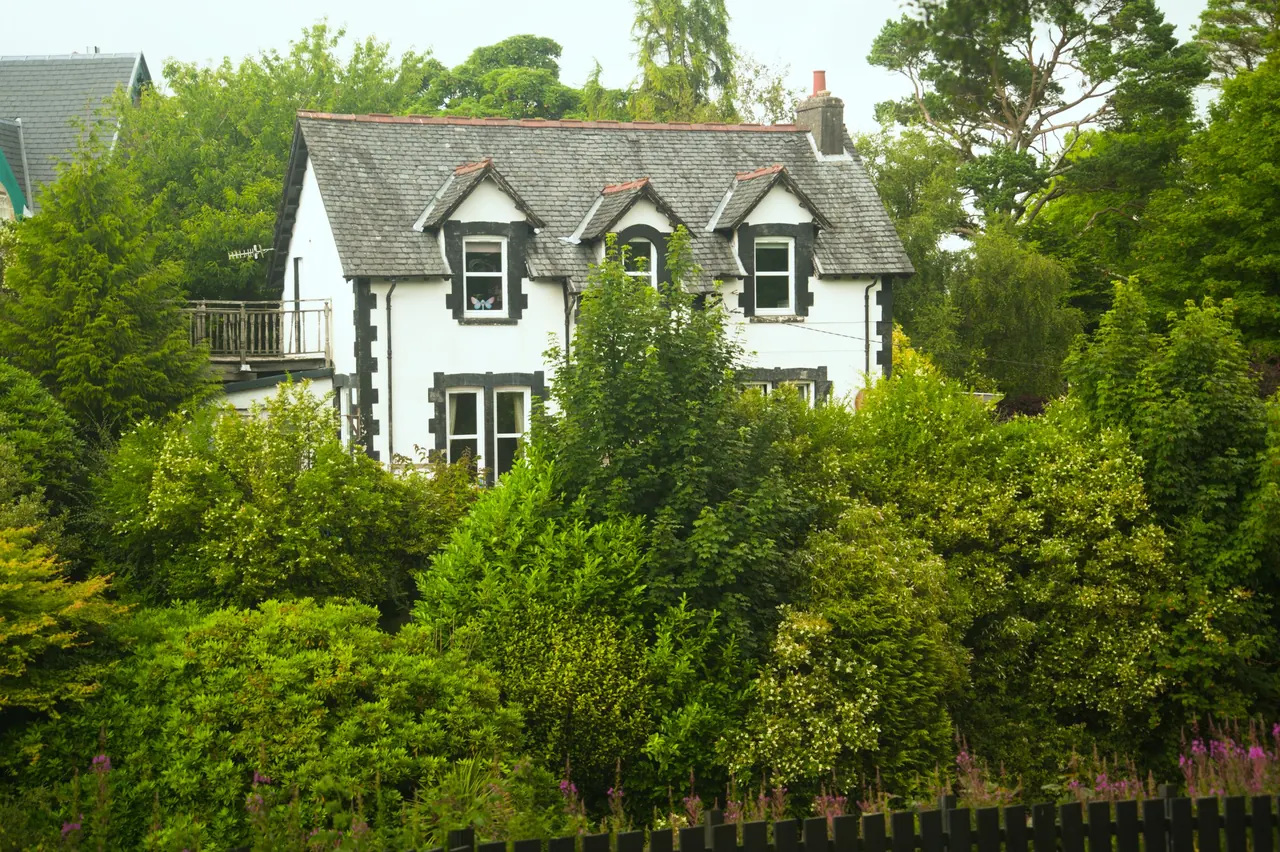
Most houses in Cannon Hill have hipped roofs, so on a semi or end house the gutter runs round most of the house, with corners and outlets on every side. Debris that lands on the back slope collects in gutters nobody sees from the street, and the side runs of a semi are easy to forget altogether.
We clear the full run front, back and sides, check that each downpipe runs freely, and take the debris away. Gutters that have carried wet leaves for a few winters often have bent brackets or soft boards behind them, and if we see that we tell you. Our fascias and soffits service in Cannon Hill deals with the boards, and if a gutter is already overflowing into the house, see blocked gutter repair in Cannon Hill.
On cost, MyJobQuote's published gutter cleaning guide gives about £100 on average for a semi-detached house, with access and the amount of debris moving the figure either way. The main gutter cleaning page has more on the service.
Frequently asked questions
Our garden backs onto Cherry Wood. When is the best time to book?
After the oaks have dropped, usually late November or early December, so one visit catches the bulk of the fall. If ash seed and moss build up again, a spring clear keeps the outlets open through summer storms.
Our Whatley Avenue house has no trees nearby. Why do the gutters still fill?
Roof moss and the grit that washes off old tiles settle in the bottom of the gutter as silt, especially at corners and outlets. It builds up more slowly than leaf, but it still blocks an outlet in time.
We are on Parkway facing the Common. Is it the front gutter that needs the most attention?
Usually the front, because it faces the woodland edge directly. The valleys where a bay roof meets the main slope collect the same leaves, so we clear those at the same visit where we can reach them safely.





